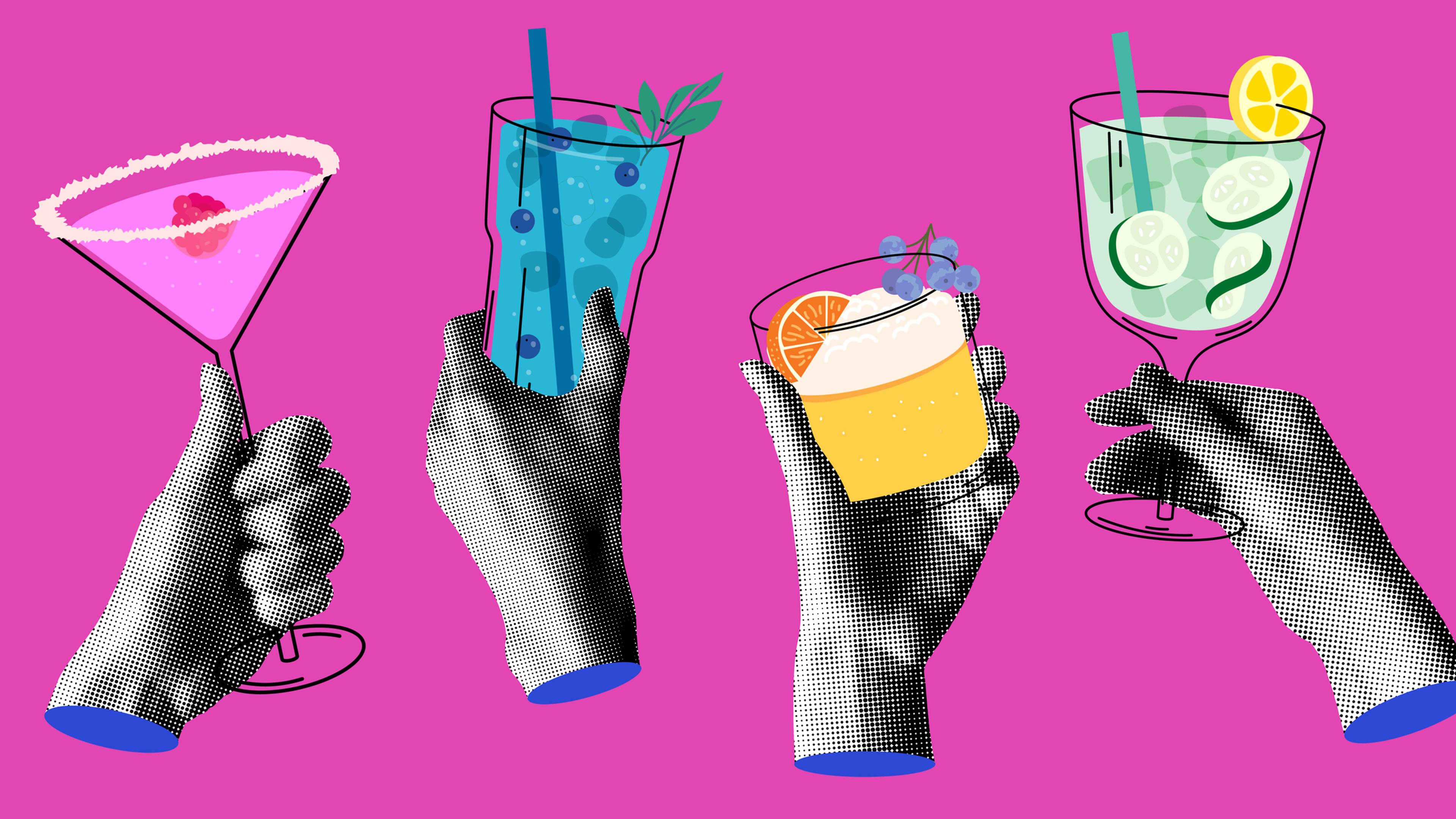
Last month, my home country of the Netherlands published new health guidelines advising people to not just limit their alcohol intake, but to avoid it entirely. There is no such thing as drinking responsibly or in moderation, one researcher said: “Each glass is harmful, for yourself and others.” To be clear, I am neither a doctor nor a scientist. I will not downplay alcohol’s negative health consequences. Still, I believe there is room for a nuanced exploration of the costs and benefits of drinking. At a glance, de-normalizing alcohol consumption seems like a logical next step after cracking down on smoking. But as societies everywhere ramp up efforts to discourage drinking, a bigger, more difficult question arises. Are the increasingly thorough measures we take to protect our health worth what we give up? This dilemma is arguably more apparent with alcohol than with tobacco. Although alcoholism is terrible and, in many places, widespread, the vast majority of people who drink are not considered to be addicts. So why do so many of us drink? Most of us do so for reasons other than managing the symptoms of addiction. Across the globe, alcohol is used to honor, celebrate, and connect. I believe these traditions are worth considering and preserving. Perhaps because of the value of these traditions, countries around the world approach drinking very differently. Unlike tobacco, alcohol regulations still vary wildly from one country to another. Legal drinking ages range from zero (Cambodia, Equatorial Guinea) to 16 (Cuba, Belgium) to 21 (Egypt, Sri Lanka). In Russia, alcohol can be bought in supermarkets; in Sweden, only at liquor stores owned and operated by the state. In Indonesia, regulation is decentralized: alcohol is easily available on the touristic island of Bali, but banned in other areas.To be sure, attitudes towards alcohol vary also. In France, its value is largely gastronomic. Certain foods call for certain drinks, and children are sometimes given small amounts of wine at dinner. In Japan, it’s part of office culture. Employees go out for after-work parties (nomikai) to bond with their superiors. The Finns famously have a special word for getting drunk alone, at home, in your underwear: kalsarikännit.Alcohol is also used for various religious purposes. While some religions, including Hinduism and Islam, prohibit or discourage intoxication, others use alcohol to connect with the divine. Drinking plays a central role in Haitian Voodoo and Yucatec Mayan rituals. In Shintoism, sake is known as the “drink of the gods,” and served to them before being enjoyed by mortals. Meanwhile, Catholic and Orthodox churchgoers consume red wine during communion. Of course, while attitudes and regulations differ, the negative health effects do not. Rejecting longstanding assumptions that the occasional beer, cocktail, or glass of wine was harmless and perhaps even good for you, new research indicates that every drop of alcohol—no matter the quantity or frequency—raises your risk of getting cancer and cardiovascular disease, not to mention neurological complications.Lowering this risk seems like the caring and pragmatic thing to do, especially when considering the successes of the fight against tobacco. In the Netherlands, where the number of smokers decreased from roughly 25% of the adult population in 2014 to 17% in 2025, each percentage point has freed up an estimated €650 million per year, funding which can instead be invested in medical research or patient care. As populations age, healthcare systems become overburdened, and governments fail to sufficiently expand or change those systems, preventing preventable diseases is more vital than ever. But herein also lie some of the issues that de-normalizing alcohol consumption brings to light, including its overlap with other, equally pernicious public health crises.In many countries, alcohol consumption has already been decreasing for years, especially among young people. Yet, despite the dwindling popularity of both alcohol and cigarettes, various cancers, not to mention other serious conditions like diabetes and depression, have all been on the rise—again, especially in young people. At the moment, some of the most frequently cited explanations for this concerning phenomenon include chronic stress, chemical pollution, sedentary lifestyles, and ultra-processed foods. In the case of the first, rising job insecurity, social media use, and many other aspects of modern life combine to make our bodies feel as though they are constantly under threat, gradually chipping away at our immune systems. Drinking on its own doesn’t help you deal with stress beyond temporarily dulling the uncomfortable feelings that come with it. However, when done in moderation alcohol consumption can coincide with positive social interactions.While alcohol is far from the only social lubricant, it is both a popular and (until recently) relatively unstigmatized one. It’s also particularly effective when meeting new people and making friends with strangers, something that is becoming increasingly difficult as societies become more individualistic and digitized.Various studies and opinion pieces have associated less drinking with increased loneliness, many of them focused on Gen Z. If drinking is to be further discouraged, governments should therefore take care to promote social interaction and community building in other, non-intoxicating ways. If they do not, unchecked chronic stress might negatively impact our healthcare systems.Again, this is not to minimize alcohol’s association with diseases such as cancer. My best friend was recently diagnosed with metastasized bowel cancer around his 28th birthday and the wider implications of de-normalizing a substance as ubiquitous as alcohol consumption concern me personally. For many years, I have lived in at times unbearable fear of being diagnosed with an incurable illness, and have tried to avoid with varying degrees of regularity and intensity many of the things which experts warn can increase the chances of this happening, often to the rather ironic detriment of my actual wellbeing.While my hypochondriac tendencies might be an extreme case, I don’t think that my experience is unique. Between pandemic scares, various social media-driven health and dietary fads, the rising popularity of preventative full-body scans, and sheer existence of “biohacking,” it appears more and more people are becoming unhealthily preoccupied with staying healthy. But although we tend to think of it as such, the human body is not a machine that can be perfectly optimized. Regardless of how hard we try to protect our health, or how much money we spend in the process, illness can still arrive, as it did for my friend, without warning and when it is already too late. Plus, I personally have found the anxiety that results from my hypervigilance could be considered a health risk in itself.I’m not arguing that you shouldn’t be eating healthy or exercising regularly or scheduling check-ups with your general practitioner. All of these are good for you, but they probably serve you better if pursued for their own sake, rather than as a means of trying to avoid something that cannot be reliably avoided. All I’m saying is that the more you worry about death, the less you’re able to enjoy and appreciate being alive. That doesn’t mean you should be drinking alcohol like there’s no tomorrow, only that having a little toast with a friend or family now and then might not be the end of the world.
Why The World Still Can’t Agree About Alcohol
Full Article
Original Source
Read the full article at Time →KhanList aggregates and links to publicly available news content. We do not host full articles from third-party sources. Always verify important information with original sources.