
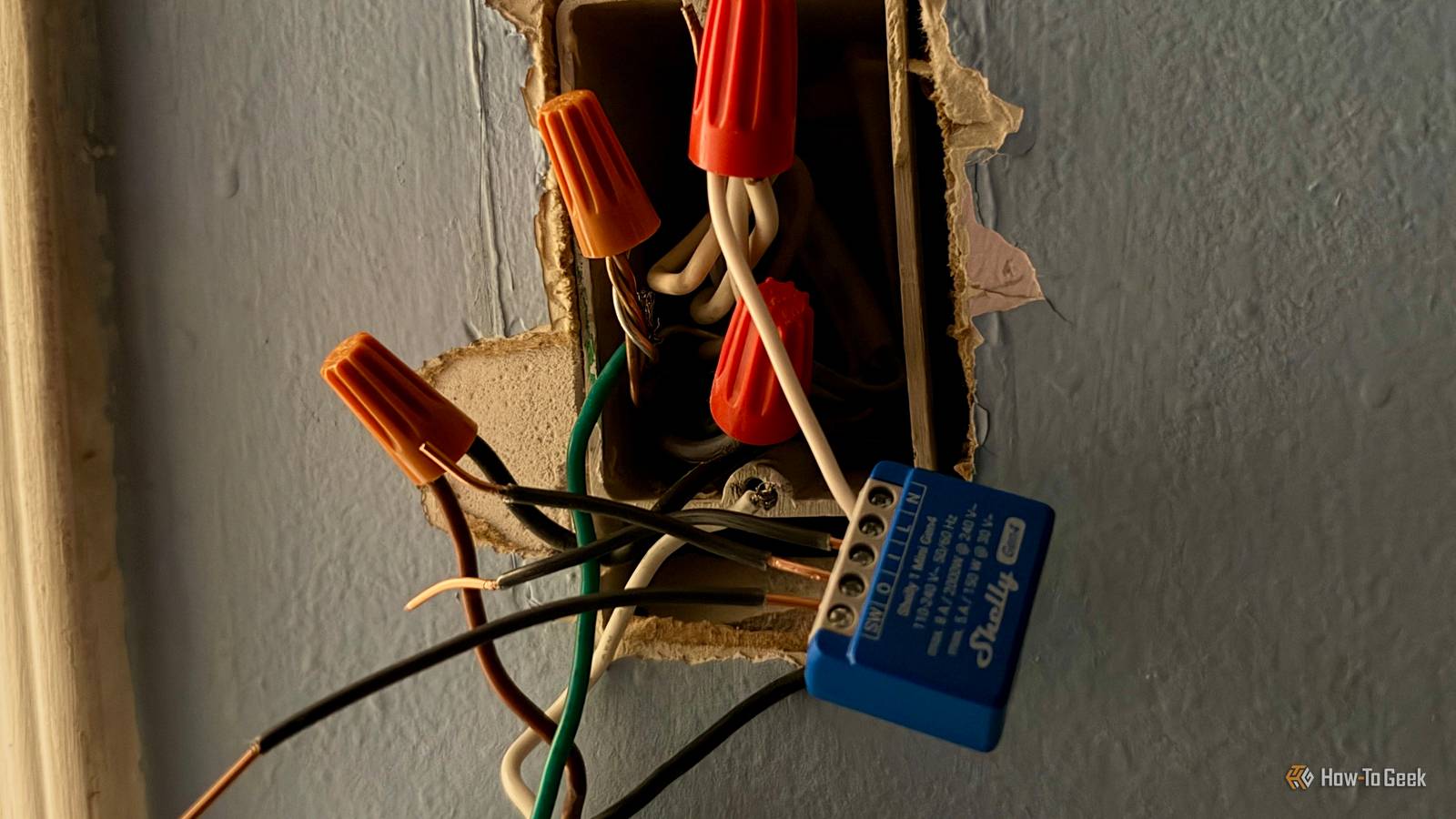
Published Oct 27, 2026, 6:00 AM EDT Nathaniel Pangaro is a tech enthusiast who dives deep into Apple’s world, from Macs and iPads to iPhones, Apple Watches, and every gadget in between. He loves turning tricky tech features into guides and reviews that are actually fun to read—and easy to use. At AppleInsider, he broke down the latest Apple releases with hands-on testing, clear explanations, and visuals that make readers feel like they’re right there with him. He also keeps SEO in mind so people can actually find his work online. He’s also written for The Student Loan Help Group, turning tech and finance topics into simple, helpful, and engaging content. Nathaniel also takes photos and creates rendered visuals to showcase devices and highlight features. When he’s not writing, Pangaro enjoys listening to music, working out, baking, and spending time with his pets. These hobbies help him recharge and bring a fresh, creative perspective to his work, keeping his writing energetic and relatable. Pangaro's goal is simple: help readers get the most from their Apple devices and actually enjoy doing it. Smart bulbs are a great addition to your smart home, especially if you’re just starting out. They are easy to install, set up, and control. However, even though they are simple to use, they have their drawbacks, which is why I started switching out my smart bulbs for smart relays behind my switches. The downside of smart bulbs Smart bulbs have various flaws Like smart plugs, smart bulbs are easy to add to any home because they work like standard bulbs. You install them the same way: twist them into the light socket and power them with the corresponding switch. What makes these bulbs smart is that you can control them from your phone or smart assistant. Depending on the smart home ecosystem you use, you can control these bulbs in its app and add them to various automations. Govee Smart Bulbs Colors Multicolor Connectivity Wi-Fi & Bluetooth Brand Govee For inexpensive but reliable color changing bulbs, it's tough to beat Govee. The bulbs are bright and colorful, and the Govee app has a ton of fun patterns for every mood and season. Kasa Smart Plug Mini Connectivity 2.4GHz Wi-Fi Integrations Alexa, Google Home Dimensions 2.62 x 1.57 x 1.5 inches The Kasa Smart Plug Mini is a connected wall outlet that allows you to control plugged-in devices with voice commands or a smartphone. Smart bulbs were one of the first smart accessories I added to my house back in 2020, right after I got my first smart plug. While I was mostly intrigued by controlling the bulbs remotely, I also liked being able to change their color. However, while the remote control and color-changing features were fun to use, the bulbs weren’t perfect. One issue is that the switch must be on for power to reach the bulbs. This means that if the light switch is turned off, the bulbs cannot be reached. This undermines the benefits of remote control, and if someone in your household isn't tech-savvy or doesn't have access to your smart home, it can be frustrating. For instance, when I started using my smart bulbs, I would turn them off from the app or with the Echo Dot in my room. However, my mother would just flip the switch if she needed it on or off. Echo Dot (5th Generation) Display No Dimensions 3.9” x 3.9” x 3.5” The Echo Dot offers a smaller form factor with the same spherical look. One of the coolest new developments in the Echo world is that the new 5th generation Dots include eero mesh network extenders. Pair one with a smart home powered by an eero mesh network and you get an instant coverage boost. Additionally, they are much more expensive than regular bulbs — especially since some light fixtures require multiple bulbs. For example, the light in my office holds four bulbs, and getting Matter-certified bulbs would set me back about $30. However, a pack of regular bulbs would cost only about $5 — an 83% difference. Although smart bulbs are appealing, they presented too many drawbacks, and the spark of the color-changing feature quickly faded. Consequently, I decided to take a different approach to smart lighting in my home — one that didn’t include smart bulbs. Out with the bulbs and in with the relays I started installing smart relays instead of smart bulbs Since I was running into issues with the smart bulbs in my house, especially with them going offline often, I decided to change course. That led me to install smart relays behind my existing room switches. Smart relays are not the most common smart home addition, especially if you’re just starting. They are a hidden accessory that lives behind your switch instead of being front and center. But because they live behind the switch, they take a little work to set up. They aren't as simple to install as smart bulbs and plugs; you need to do some wiring. At first, it might seem intimidating, especially since you’re dealing with the wiring behind your switch, but following the steps and making sure the power was killed at the switch made the process less complicated and safer. Obviously, smart relays differ from smart bulbs in design and installation, but the most important difference is that they stay connected to power no matter the switch status. They're like a smart plug for your switch; they control the power that runs to the light sockets. Choosing smart relays over smart switches Why don’t I just go with smart switches instead Now, you may be wondering why I didn’t just go with smart switches, since they're essentially the same thing, and the answer is style and design. They are designed as rocker switches Smart switches usually come in very specific designs that don't always match your home's layout. They certainly don't match all of mine. For example, my mother’s bedroom has a toggle switch, and she hates rocker switches — don’t ask me why. Smart switches are usually designed as rocker switches, so the toggle switch would have to go. Kasa Smart Switch 2-Gang Set schedules, control your lights via voice, and more with this Kasa smart switch. Sometimes incompatible with existing plates Furthermore, even in rooms that already have a rocker switch, it isn’t always compatible with the plate on top of it. This is usually because the plate is larger than a standard rocker switch, so the plate is too small. Installing a smart switch where a customized plate is located could make the plate unusable because it isn't compatible with the smart switch's size. However, placing the smart relay behind the switch means the switch and plate stay the same. So it all comes down to preference and design. With smart switches, your layout has to work around it, but smart relays work around the layout you already have. Making my switches smart Turning my existing switches into smart switches Since I started using smart relays in my home, I have been able to convert all of my existing switches into smart ones without changing the layout. This keeps everything the same on the surface while upgrading it behind the scenes. One note: since you're adding an accessory behind your switch, make sure there is space. If your switch box — the area that holds all the wires — is too small, the relay may not fit behind it, or your switch will protrude from the wall. Unlike bulbs, where I need different amounts based on the fixture, I can install one relay regardless of how many light sockets are connected to it. This means it doesn't matter whether one, two, three, or four sockets are connected to a switch; just one relay controls them all. It's also been great to control my lights, whether the switch has been dealt with physically or not. The power is always running, so it’s always available. Smart relays weren't my first choice for smart light control at home, but I’m glad I went with them. They do everything I need without breaking the bank or messing up my room design.
Why I stopped buying smart bulbs and started putting smart relays behind my switches
Full Article
Original Source
Read the full article at Howtogeek →KhanList aggregates and links to publicly available news content. We do not host full articles from third-party sources. Always verify important information with original sources.