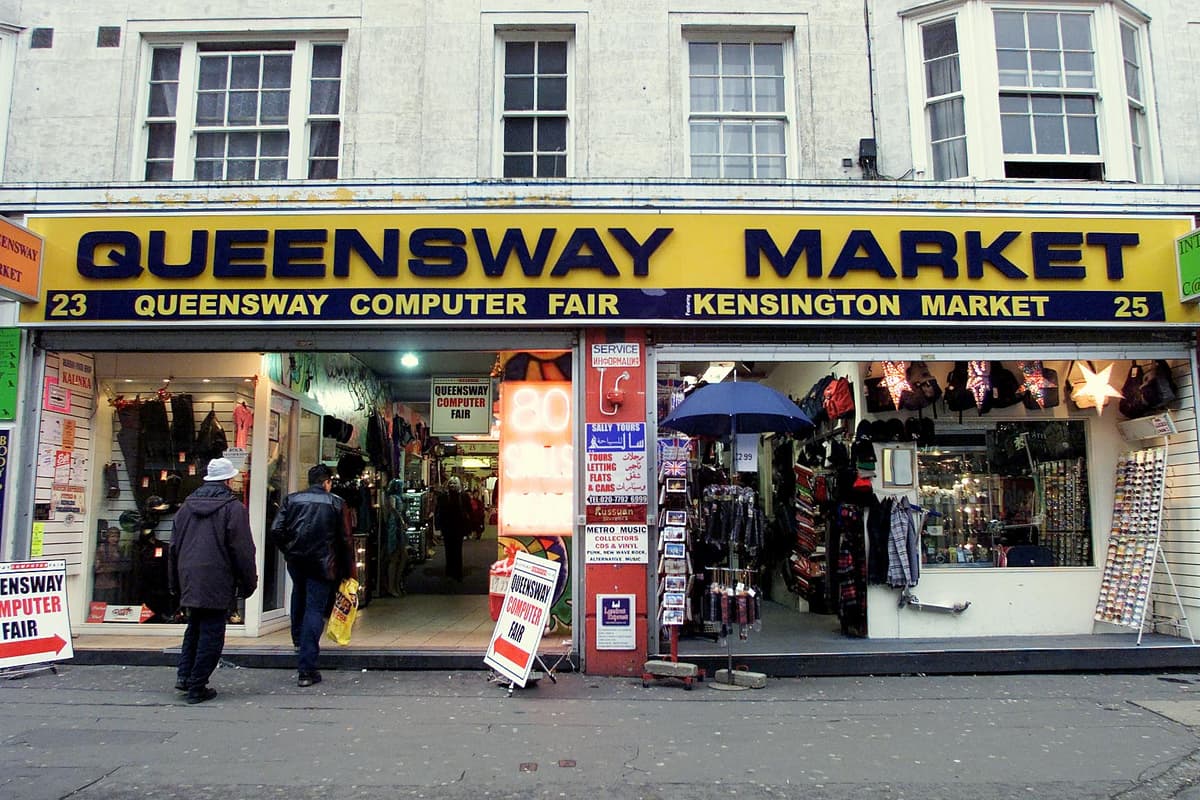
At 5.30pm on a Friday afternoon, every table at Normah’s in west London is either occupied or reserved. The Malaysian restaurant has no windows, does not permit alcohol and is in a bright, strip-lit room with basic furniture. Yet the atmosphere is one of reverence: the couples and friends who sit over steaming bowls of laksa and tear at flaky roti have fought for their tables. In the past few years, Normah’s has gone from cult status to viral fame. As well as becoming a TikTok sensation, Normah’s features on several well-respected lists of the best restaurants in London, including The Standard’s own list of the best Malaysian food-spots in London and those by food magazine Vittles and restaurant guide The Infatuation. On its rudimentary website, below the blurry tagline that reads “every bite touch your soul”, there is a message in red capitals: “FULLY BOOKED JULY AND AUGUST”. This is the Glastonbury of the dining world. Reservations for the month ahead open at 10am on a specific day and are snapped up in minutes; alarms are set, knuckles cracked.Normah’s has achieved the kind of acclaim that other restaurants can only dream of. Yet in less than four months’ time, the marketplace it calls home is going to be closed down and turned into a Whole Foods, the grocery chain owned by the retail giant Amazon. A globe-spanning variety of restaurants and shops in Queensway Market will be replaced by shelves stocking £14 salads and a wide range of prebiotic sodas.There is something Narnia-like about Queensway Market. To get to it, you walk through a nondescript souvenir shop by the Tube station. At the back, past suitcases and Paddington Bear memorabilia, there is an entrance which opens out into a warren of restaurants, cafés, shops and businesses. The London StandardThe first sound you hear is the chirping of canaries in a cage. The birds belong to a former bodybuilding champion who now sells protein powders and gym bro supplements at the market. An aged Jack Russell sits at his feet, eyeing passers-by beadily. Opposite is a computer repair shop where Mohamed Gamal Ramadan has fixed laptops and electronics for the past 25 years. He is resigned to the imminent closure of the market. “This is life,” he says with a fatalistic shrug. “Of course it’s sad, but there’s nothing we can do.” Ramadan says that the mix of cultures here is what makes it so special. “Maybe we are enemies in our countries, but here, everything is smooth and nice.” At Uzbek Corner, a young couple spoon bowls of plov as Uzbek dance music plays on a TV. Other restaurants in the market offer Brazilian, Syrian and Malaysian cuisines. Many of the vendors are Muslim, and there is a makeshift mosque in the back of the market where they go to pray. There is also much more to Queensway Market than food. “I talk to everybody, I never get bored. It’s just a lovely environment,” says Yemmi Tessema, who owns Mayfair Antiques, which is stuffed full of ornate silverware, sculptures and trinkets. Mohamed Gamal Ramadan The London StandardMeanwhile, Mostafa Lotfi has been selling and repairing Persian rugs at Queensway Market for the past 10 years. The rich crimsons and royal blues of the carpets which fill his unit clash with the postbox red sale tags on each one. He used to have a shop on Westbourne Grove, but then a friend told him about the market. When he first visited, it reminded him of the bazaars back in Iran. He felt at home. Sitting on prime real estateOn March 20, the tenants of Queensway Market received a brusque letter from Bourne Capital, the property investment firm which owns a large swathe of properties on Queensway, saying that their leases were being terminated and they had a month to get out. After negotiating with the landlord via a solicitor, the deadline was extended by six months. Bourne Capital maintain that tenants have known about the upcoming redevelopments for years. “As such, the redevelopment and the formal notice served earlier this year were neither unexpected nor a surprise,” managing director Ben Bourne told The Standard.Lotfi says that he doesn’t know where he will go when the market closes. Rent here is cheap, and there is a real sense of community — these are the people who he celebrates New Year’s Eve and birthdays with.A couple of doors down from Lotfi is Jorge Cubillos, a Colombian ex-lawyer who helps migrants from Latin America and parts of Europe find jobs and accommodation when they move to London. Cubillos reckons he has seen tens of thousands of people in the 18 years he has been here. His tiny office is soundtracked by the whirr of a fan and the click-clack of a little Buddha figurine, which swings merrily back and forth.Jorge CubillosThe London Standard“When I came to Queensway 20 years ago, the landscape was different,” Cubillos recalls. There was a post office, a couple of banks and a dentist on the corner that he used to go to. “Then one day they sold the premises of the building, demolished it and now it’s a 12-floor building and the apartments in it are £7 million.” Queensway used to be the kind of street that affluent west Londoners would describe as “a dump”, populated as it was with shops offering mobile phone repairs, off-brand suitcases and souvenirs. It was strange, because at one end there was the leafy majesty of Kensington Gardens, and at the other there was the swish Westbourne Grove, where yummy mummies go to get their Diptyque candles and Daylesford Organic goodies. Why had a prime bit of real estate like Queensway remained so down at heel? Investors wondered the same.The fact that Queensway Market has survived this long is something of a miracle. All around it, change is afoot, and practically all of the street is now owned by a handful of investment firms and property developers. Whiteleys, a former shopping centre in a grand neoclassical building, has just reopened after a years-long, multi-billion-pound renovation project. It is now “The Whiteley”, home to a Six Senses hotel, a Third Space gym, 139 luxury apartments, and a variety of high-end shops and restaurants. Read More“Closing this market really kills the spirit of the community”Jorge CubillosOpposite, there is the newly opened Vabel Townhouse, which describes itself as creating “a new legacy for Queensway”. That legacy? Turning the street into a “village” full of luxury apartments for those who can stump up the seven and eight figure sums. “This is not just living, it’s life curated,” says Vabel on its website. The townhouse is complete with 28 homes “designed to indulge the senses”, a “design-led” coffee shop and a “social wellness space”. Up the road is Park Modern, a luxury apartment block which opened in 2024, where a penthouse costs a cool £42 million.Bourne Capital is part of the Queensway Steering Group, which owns up to 80 per cent of the street and claims that the neighbourhood’s “multicultural community” is a big inspiration in this “exhilarating transformation”.A familiar story of gentrification across London“Closing this market really kills the spirit of the community, but they are thinking about money,” says Cubillos. Bourne Capital sees it differently.“The market has been home to many wonderful tenants over the years and has contributed to the culture and energy of Queensway,” Ben Bourne told The Standard. “At the same time, and despite full-time security being in place, the market has also been a persistent source of antisocial behaviour and crime in the area. This is, sadly, a reality well known to the Metropolitan Police and the community. In just the past few months of extended trading there has been a stabbing and multiple serious police incidents within the market. While we will miss Queensway Market dearly and wish all of its tenants every success for the future, we fundamentally believe that the redevelopment is in the best interests of the area and the wider community.”The demise of Queensway Market is a familiar story across London, with traders at Dalston’s Ridley Road Market and Mercato Metropolitano in Elephant and Castle facing similar fates. As a barbershop owner in the market puts it, it’s a case of “big fish eating small fish”. A place as successful as Normah’s will no doubt have offers from investors looking to open something bigger and shinier. But for people like Cubillos, who quietly support Londoners, the future is precarious. And despite what venture capitalists might hope, all the money in the world can’t buy community.
Whole Foods vs The Market: Who will win the battle for Queensway?
Full Article
Original Source
Read the full article at Standard →KhanList aggregates and links to publicly available news content. We do not host full articles from third-party sources. Always verify important information with original sources.