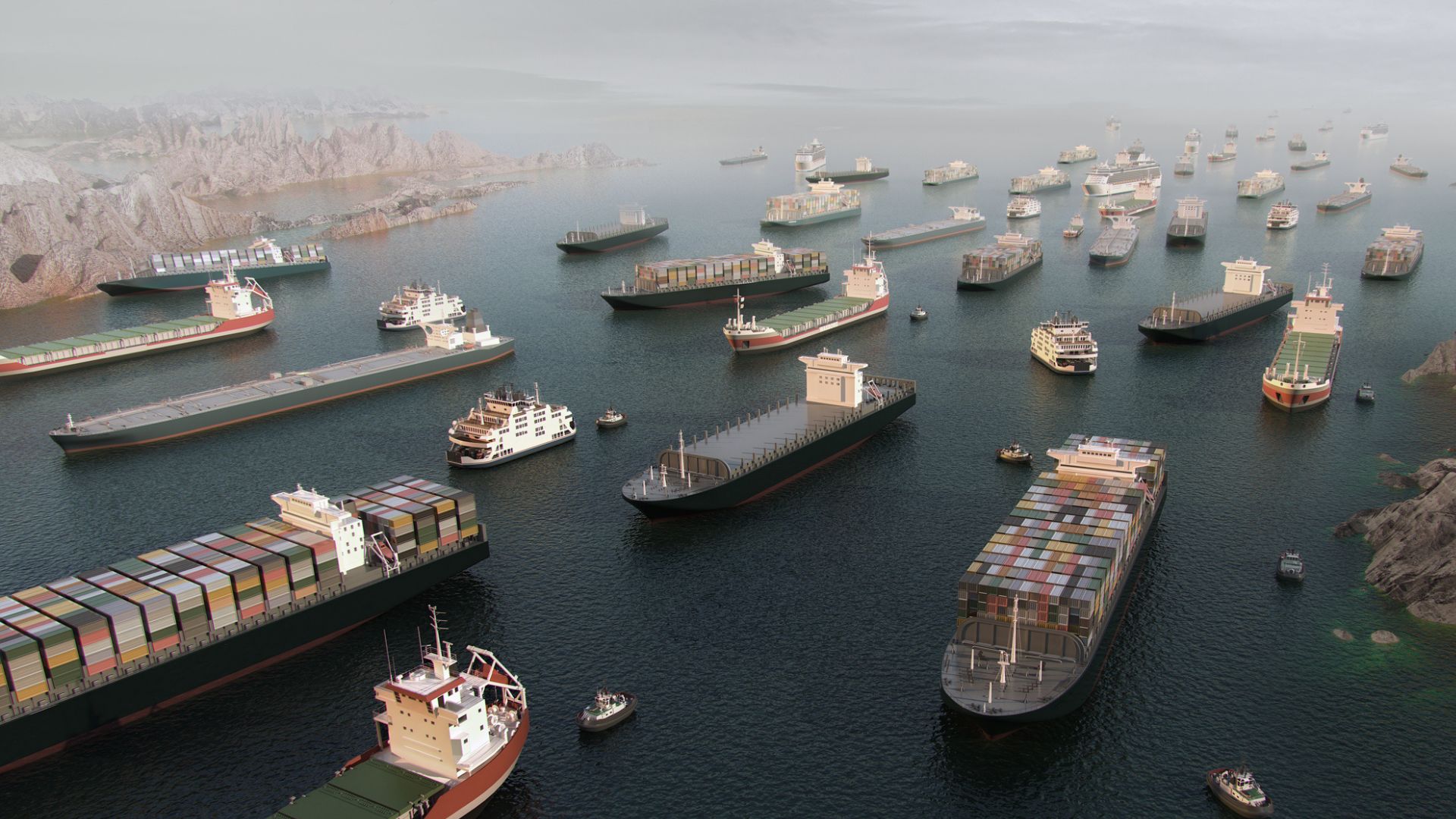
The U.S.-Israel war with Iran is currently ongoing with no clear end in sight. Adding to the numerous difficulties it poses, biologists have now issued a warning that it may also lead to a super-spreading biodiversity threat to the world. The war has led to over 1,500 commercial vessels getting stuck in the Persian or Arabian Gulf, and more in the Gulf of Oman since the Strait of Hormuz is closed for shipping. This means the large ships have been anchored in the water for months now. This opens the door for marine microbes, algae, and invertebrates to colonize and grow on the vessels’ submerged surfaces rapidly. Marine biologists warn that this event can create significant environmental risks. A new study published by them warns that the ships stuck in the Middle East will facilitate the “extensive spread of economically and ecologically damaging invasive species as they re-enter the global shipping network.” Environmental risk associated with the stranded ships The article warns that the long period of mass lay-up of ships has led to a condition that is suited for a large-scale, marine bioinvasion “super-spreader” event, which can take place when shipping and normal trade resumes. They state that the combination of extensive biofouling growth and species accumulation, combined with the number and global reach of the vessels, has led to an “immense international biosecurity threat.” They have also urged stakeholders to prepare for the backlog of ship biofouling management requirements and to implement appropriate actions to abate this extraordinary biosecurity threat. The authors noted that vessels stuck in this area carried biofouling organisms from different parts of the world and are now acquiring the same from the Gulf region. This intermingling will most likely result in the release of non-indigenous species in the Gulf region. Further, they will be carried by ships to other parts of the world when normalcy in maritime trade resumes. The typical residence time of cargo vessels in most ports is two days, and biofouling on static surfaces typically begins after 10 days. When ships are idle for more than 10 days, biofouling can progress rapidly as antifouling coatings become compromised by lack of movement. Strait of Hormuz in focus Biologists stated that the unique environmental pressures, such as high temperature and salinity, in the Gulf region have led to the development of “stress-tolerant taxa.” These taxa are therefore more likely to survive the transport and establish themselves in the regions where the ships will sail. On the flip side, the vessels carrying biofouling organisms from far away have also been stranded in the region. The ships also provide abundant settlement substrate for these organisms. To rectify the issues, the authors suggest that biofouling be removed from ships stranded in the Gulf region before shipping resumes. They also suggest the collection and safe disposal of the debris to minimize the release of live organisms and other waste in the surrounding waters. They recommend in-water cleaning (IWC), which will not only help eliminate biofouling but also reduce the vessel’s drag and fuel consumption. However, in case IWC is not performed, they recommend estimating biofouling on the vessel before departure and also forecasting the ports to which the ships will make a call once they depart from the Gulf. Establishing rapid alert and knowledge-dissemination networks is also of importance to reduce the risks. The authors called for coordinated action from the government, regulators, the maritime industry, and other stakeholders to strengthen biofouling management for both typical ship operations and varying lay-up scenarios.Recommended ArticlesGet the latest in engineering, tech, space & science - delivered daily to your inbox.Abhishek brings a wealth of experience in covering diverse stories across different beats. Having contributed to renowned wire agencies and Indian media outlets like ANI and NDTV, he is keenly interested in Tech, Business and Defense coverage.
‘Super-spreader’ bioinvasion threat posed by ships stranded in Hormuz, say biologists
Full Article
Original Source
Read the full article at Interestingengineering →KhanList aggregates and links to publicly available news content. We do not host full articles from third-party sources. Always verify important information with original sources.