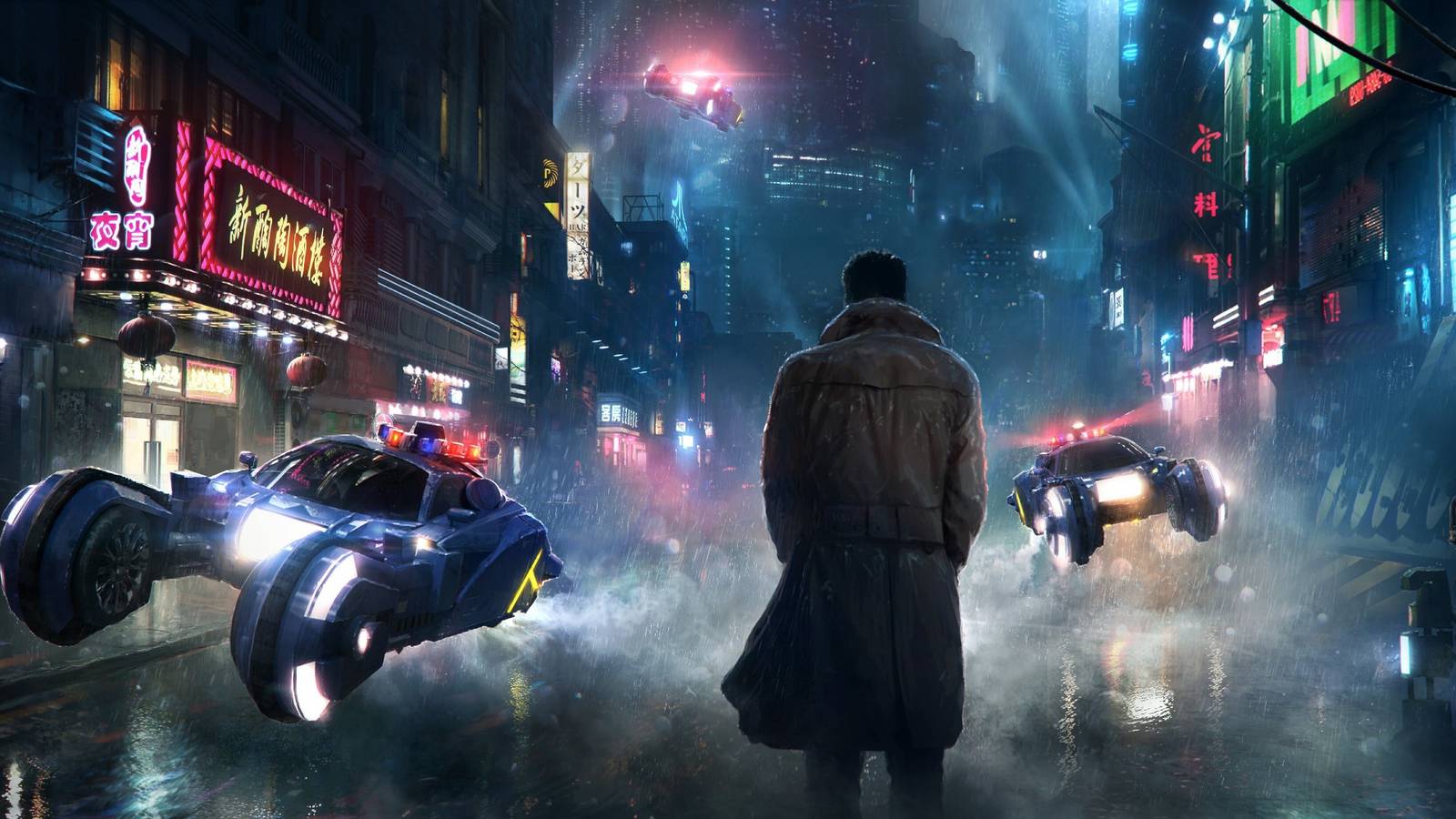
Published Jul 25, 2026, 9:15 PM EDT Dani Kessel Odom (they/them) is an autistic lead writer and TV critic who covers sci-fi shows like Doctor Who and Pluribus, fantasy shows like The Magicians and Percy Jackson, and horror of all kinds. They also cover Marvel and DC TV shows and movies, with a robust knowledge of comic books. Their TV reviews can be found on Rotten Tomatoes. Dani is also part of ScreenRant's books team, using their fiction writing and literature studies as the backbone for their book analyses. They have covered events, such as the Denver Fan Expo. Professionals in the field, such as Damien Leone and Lucy Hale, have shared their articles. Their review of Ponies was quoted in the show's TV trailer. In university, they majored in English Writing with a minor in psychology. They have always had a passion for analyzing TV and movies, even taking filmography and scriptwriting classes in university. They also studied and participated in onstage and onscreen acting extensively from the ages of 7 to 18. Aside from working at Screen Rant, Dani has worked as a freelance editor and writer over the past decade, often in a ghostwriting capacity. Cyberpunk and steampunk are deadlocked in a sci-fi battle, but Peacock’s biopunk adaptation of a bestselling book will soon introduce a new competitor to the mix. Apple TV has taken on the Cyberpunk genre with the upcoming Neuromancer TV show, which got a new trailer alongside an official release date at SDCC 2026, where ScreenRant was present. Prime Video pushed out the release of Blade Runner 2099 until next year, but they acquired the new Ghost in the Shell anime. The “high tech, low life” motto is certainly appealing. The true masterpiece TV show Arcane, which holds a rare 100% Rotten Tomatoes score and nine Emmys, certainly put steampunk back in the public eye. Now, Netflix has hit it out of the park with its steampunk anime, Sparks of Tomorrow, which has continued to get better with every single episode. These shows and the genre could be described as “high brass, low life” or “gaslight grit.” There's no doubt that it's gaining traction onscreen, though not as quickly as cyberpunk. These two genres feel like two sides of the same anti-establishment coin. However, the sci-fi punk landscape might be better described as an eight-sided die. There are many other variations, even if they aren't common onscreen. Now, more will come to the small screen. An adaptation of Scythe, made by Peacock, could put biopunk on the mainstream map in Hollywood, adding to the ongoing genre battle. Peacock’s Adaptation Of Scythe Adds A Biopunk Show To The Cyberpunk & Steampunk Battle Scythe is one of the best sci-fi books of the past decade, so it's no surprise that the rights would be picked up. Reports of the adaptation have bounced back and forth between a TV show and a movie, but it's still in development as of 2026 (via CinemaBlend). The book series is a cornerstone of the biopunk genre, and the onscreen version of the story will step in to compete with these genres. Set in a futuristic world where humanity uses nano-biotechnology, genetic modification, and an all-knowing AI to end illness and death, a group of Scythes takes on the job of ending lives to prevent overpopulation and maintain Earth’s resources. Two teenagers, Citra and Rowan, are taken on as Scythe apprentices, but only one of them can actually take on the job. On a fundamental level, Citra and Rowan are low-power members of society being brought into the high-life world of Scythe. As they get further and further into the Scythedom organization, they discover that not everything is as altruistic and pure as they thought. Like other sci-fi “punk” shows, The Arc of the Scythe has anti-establishment messaging, exploring political corruption and the harms of giving one person power over another life. The biggest difference between Scythe and the others is that the books don’t have the gritty aesthetic typically present. Instead, the grittiness comes from the ethics and politics. The idea that these three genres are going up against each other feels perfect because significant authors have dabbled in all three. Paul Di Filippo and Bruce Sterling both wrote in all of them. Meanwhile, William Gibson, one of the pioneers of cyberpunk, also wrote in steampunk and dabbled in elements of biopunk, even if he didn’t fully focus on the third genre. Scythe's Anti-Utopian World Will Set It Apart From Competitors Warning: this section includes spoilers for The Arc of the Scythe books! Cyberpunk has the edge over the others because of the sheer number of new and returning cyberpunk shows, and steampunk shows have a bit of a pull because they’re not as common onscreen these days. However, Scythe’s worldbuilding sets it apart from the rest of the options. Most shows within the cyberpunk, steampunk, and biopunk genres start out with a full-blown dystopian society. It’s clear from the start that the world is built on oppression, corruption, and totalitarian governments. However, that isn’t the case with Neal Shusterman’s trilogy. Scythe first appears to be a utopia. An AI called the Thunderhead monitors all human health. Society uses medical nanites to destroy illness. Death is eradicated, and everyone can be brought back from accidental deaths. In truth, Scythe is an anti-utopia, which is not synonymous with a dystopia. In an anti-utopia, negative outcomes bloom from the desire to reach utopia and the efforts to maintain it. The messaging critiques the very idea of a utopian society, honing in on the unintended consequences. Anti-utopias often stand as the bridge point between a utopia and dystopia, and that’s exactly what Scythe does within the first one-and-a-half to two books. As the story goes on, it becomes clear that the utopia wasn’t a utopia at all. Then, by the end of the book trilogy, it’s just a full-blown dystopian society that doesn’t try to pretend to be something else. The new people in power are oppressive and dehumanizing. Corruption runs rampant. The empathy that once existed in the Scythes is completely gone. Ultimately, the worldbuilding arc from flawed utopia to anti-utopia to complete dystopia shows the degradation of society in a poignant way. It’s a unique element as it doesn’t just jump to the ending like other stories. If Peacock’s adaptation of the Scythe trilogy sticks closely to the source material, while also fleshing things out that weren’t as deep in the books, it could become one of the top-tier entries into the sci-fi punk movement. Why Hollywood Is Seeing A Wave Of Sci-Fi Punk Genres Courtesy of Prime Video Hollywood has seen an increasingly large number of sci-fi punk TV shows and movies coming out, which seems peculiar. Most of these genres have existed for decades, so it’s not as if it’s the recency effect. One possible explanation is that people simply like the aesthetic. Some stories have taken the core anti-establishment, punk values out of the picture. However, I've observed that more in books. The majority of what’s coming to screens actually leans heavily into the punk subculture that rejects authoritarianism, rebels against corporate greed, and fights injustice. More often than not, it also focuses on the people without power. The shift towards sci-fi punk likely has multiple factors, but two major ones stick out as strong explanations. Firstly, science fiction, as a genre, has moved away from optimism and towards cynicism. Polished sci-fi stories have been replaced with griminess. As such, it makes sense that audiences would embrace the genres that were doing this before it was ever popular. Additionally, the sci-fi punk genres feel more poignant than ever before. Society is reaching the point of terrifying futures overrun by authoritarian governments, constant injustices, and corporations abusing their power. Viewers who feel this way would understandably turn to the sci-fi punk genres that speak to lower-class anxieties and refuse to ignore the problems.
Move Over Cyberpunk & Steampunk, A Peacock Biopunk Competitor Is On The
Full Article
Original Source
Read the full article at Screenrant →KhanList aggregates and links to publicly available news content. We do not host full articles from third-party sources. Always verify important information with original sources.