
Environmental groups scored another legal victory against the federal government, getting a Northern California mining plan tossed out.(CN) — A federal judge blocked on Wednesday a plan by the federal government to allow logging in the Shasta-Trinity National Forest in Northern California.The main goal of the South Fork Sacramento Public Safety and Forest Restoration Project is to thin the forest to lower the risk of severe wildfires. It would also allow public recreation improvements and logging in two separate areas, both designated as recovery areas for the northern spotted owl. In a 2023 biological opinion, the U.S. Fish and Wildlife Service found the threatened species would be in “no jeopardy” from the project, which would remove only about 12 owls.Four nonprofits sued in 2024 under the Endangered Species Act and the Administrative Procedure Act. Last month, U.S. District Judge Dena Coggins ruled in favor of the environmental groups, granting their motion for summary judgment, finding the “no jeopardy” determination arbitrary, capricious and based on an analysis riddled with errors “due to the lack of analysis of alternative source populations in the” biological opinion.At the time, she did not say what the remedy would be; she could have allowed the agency’s rule to stand. Wednesday’s ruling vacates the biological opinion, effectively sending the restoration project back to square one. Fish and Wildlife must perform a new environmental analysis of the project, this time studying other northern spotted owl populations.“The best available science shows that many owl populations are in an ‘extinction vortex’ and cannot withstand the combined and interrelated effects from climate change, barred owl competition, and logging projects without a significant course correction,” plaintiff’s attorney Oliver Stiefel of the Crag Law Center said in an email. “The judge was right to make the agencies go back to the drawing board before moving forward with a project that removes key habitat in the home ranges of two source populations of owls.”The government had argued the restoration project was “intended to reduce the risk of wildfire by removing ladder and surface fuels" and therefore in the public interest. Vacating the opinion, it argued, would risk harming that interest. Coggins was unimpressed with that claim, finding the government has more than a year to issue a biological opinion.She added there was some disagreement over the “efficacy of treatments within owl habitat to influence fire behavior," adding: “The effects of long-term removal of northern spotted owl habitat to try to conserve or protect habitat from loss or reductions from future wildfire is a trade-off.”The judge also pointed out the Fish and Wildlife Service “has yet to make the critical finding that the [forest restoration project] is not likely to jeopardize the continued existence of the listed [species] or result in destruction or adverse modification of critical habitat.”Subscribe to our free newslettersOur weekly newsletter Closing Arguments offers the latest about ongoing trials, major litigation and rulings in courthouses around the U.S. and the world, while the monthly Under the Lights dishes the legal dirt from Hollywood, sports, Big Tech and the arts.Additional Reads
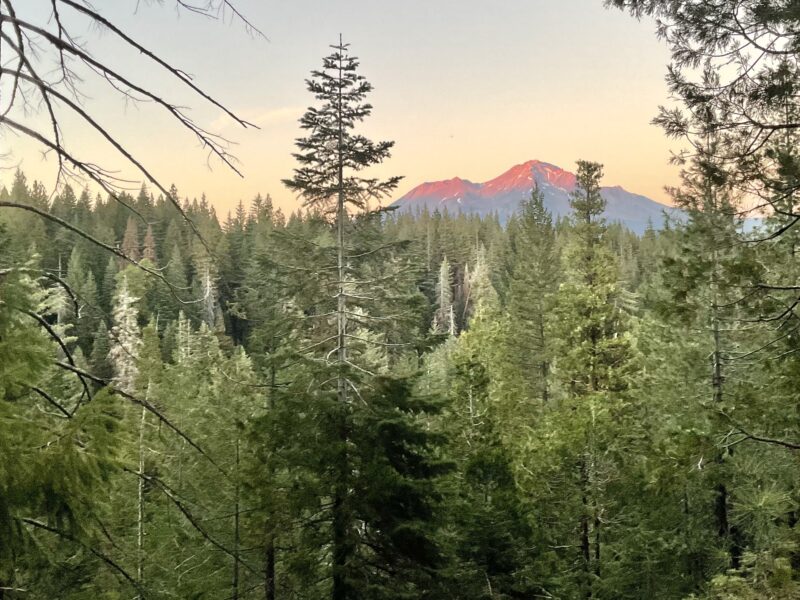
Judge blocks wildfire mitigation measures to protect spotted owls near Mount Shasta
Full Article
Original Source
Read the full article at Courthousenews →KhanList aggregates and links to publicly available news content. We do not host full articles from third-party sources. Always verify important information with original sources.