
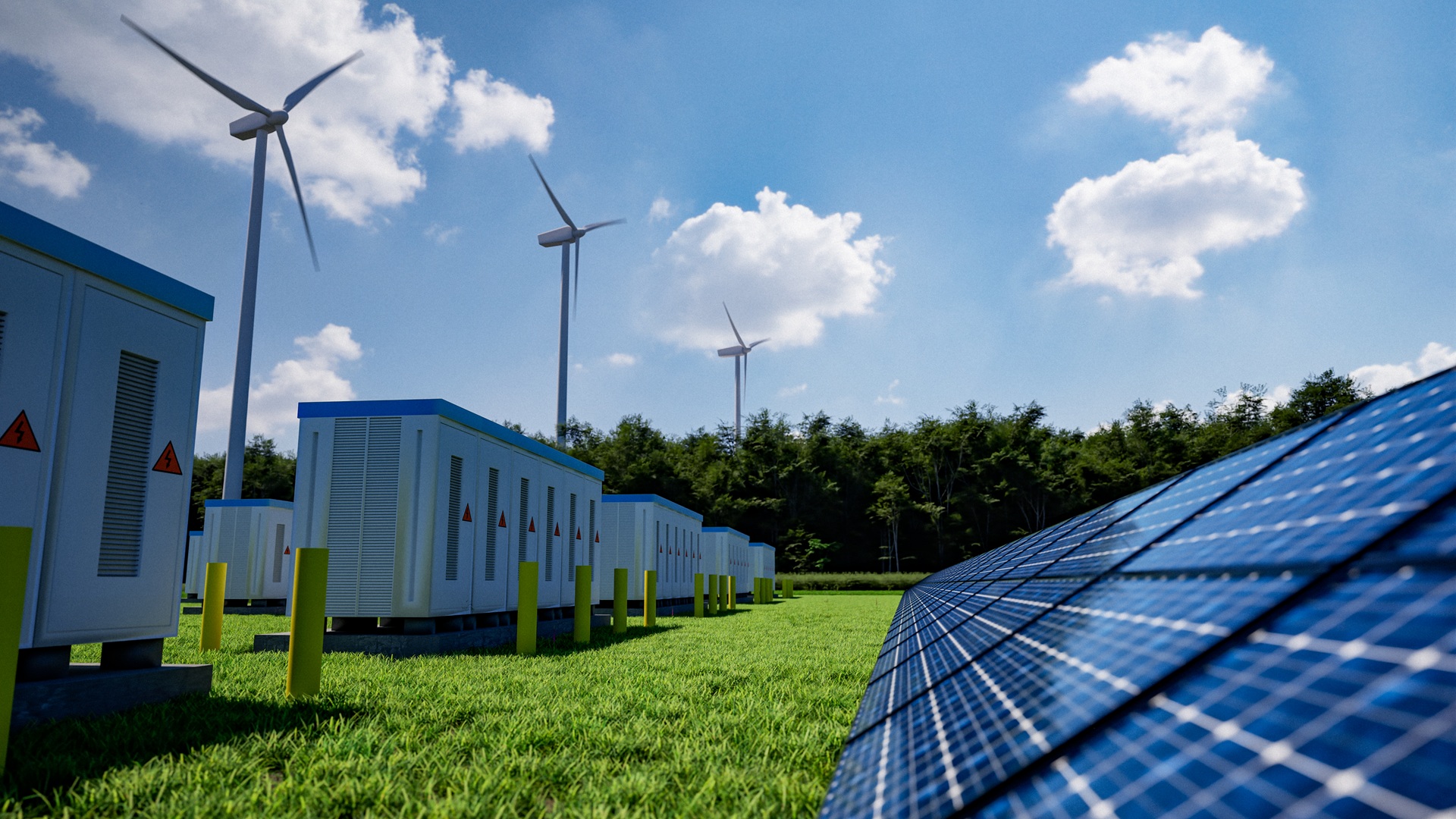
A 128-megawatt battery energy storage facility has entered commercial operation in Georgia, adding up to four hours of stored power that can be sent to the grid when demand rises. Georgia Power, the largest electric subsidiary of Southern Company, serves 2.8 million customers across Georgia. The Robins Battery Facility, located near Warner Robins, Georgia, is paired with the nearby Robins Solar Facility. The setup allows electricity generated by the solar plant to be stored when demand is lower and released later during periods of higher consumption. The project is designed to give the grid more flexibility as electricity demand grows. It can hold energy during periods of lower demand and dispatch it during peak periods, including cold winter mornings or other times when customers use more electricity. Georgia Power said the facility is part of a wider expansion of battery storage across the state, with several more projects already approved or under development. Solar power gets backup The solar-plus-storage model helps overcome a key limitation of renewable energy. Solar panels generate electricity only when sunlight is available, but power demand can remain high after sunset or rise sharply at other times of the day. Battery systems can bridge that gap by shifting electricity from one part of the day to another. At Robins, the battery can provide power for as long as four hours after charging. “Seeing the Robins Battery Facility enter commercial operation is an important milestone for Georgia Power and for the future of energy in our state,” said Rick Anderson, senior vice president and senior production officer for Georgia Power. “By pairing battery storage with solar generation, we’re creating a more flexible and resilient grid that can respond to customer needs during periods of peak demand while supporting Georgia’s continued growth.” The facility is also located close to Robins Air Force Base, adding an energy-storage asset to an area with critical infrastructure. The project was built by engineering and construction contractor Burns & McDonnell and was delivered on schedule, according to Georgia Power. Bigger batteries join grid Robins is one of four battery storage projects approved through Georgia Power’s 2023 Integrated Resource Plan update. Completed projects in Cherokee and Lowndes counties bring the company’s operational battery capacity to 579.5 MW, while a 57.5 MW facility in Floyd County is nearing completion. The state’s Public Service Commission has also approved nine additional battery energy storage facilities across eight sites. Together, those projects are expected to add more than 3,000 MW of storage capacity. The planned sites include facilities associated with Plants Bowen, Hammond, McIntosh, Wansley and Yates, along with standalone projects in Hall and McDuffie counties. Georgia Power has also received approval for two solar facilities paired with battery storage in Laurens and Mitchell counties. Together, those projects will provide 350 MW of generating capacity. For the grid, the growing storage fleet provides another way to manage fluctuations between electricity generation and consumption without requiring renewable electricity to be used immediately when it is produced. Get the latest in engineering, tech, space & science - delivered daily to your inbox.With over a decade-long career in journalism, Neetika Walter has worked with The Economic Times, ANI, and Hindustan Times, covering politics, business, technology, and the clean energy sector. Passionate about contemporary culture, books, poetry, and storytelling, she brings depth and insight to her writing. When she isn’t chasing stories, she’s likely lost in a book or enjoying the company of her dogs.
New 128MW battery shifts solar power into four hours of peak electricity demand
Full Article
Original Source
Read the full article at Interestingengineering →KhanList aggregates and links to publicly available news content. We do not host full articles from third-party sources. Always verify important information with original sources.