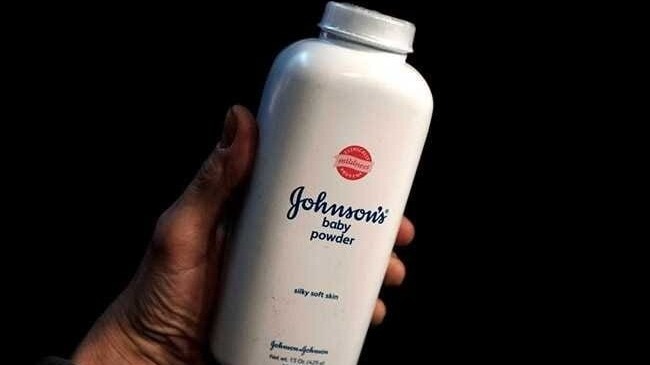
Johnson & Johnson has agreed to a proposed $5.5 billion deal to settle about 76,000 baby powder ovarian cancer claims in the United States. The agreement could close a decade-long talc litigation battle if 95% of claimants accept it.Settlement needs 95% claimant approval to proceed. (Photo: Reuters)Johnson & Johnson (J&J) has agreed to pay an estimated $5.5 billion to settle tens of thousands of lawsuits claiming that its baby powder and other talc-based products caused ovarian cancer, potentially bringing to a close one of the biggest and longest-running product liability cases in corporate history, reported news agency Reuters. The proposed settlement covers about 76,000 existing claims filed in federal and state courts across the United States, representing nearly all of the remaining ovarian cancer lawsuits against the healthcare giant. The agreement will become effective only if at least 95% of the claimants agree to the deal.The settlement marks a major shift in a legal battle that has stretched on for more than a decade and survived multiple courtroom trials, appeals and even three unsuccessful bankruptcy attempts by the company to resolve the claims.WHY IS J&J SETTLING NOW?Johnson & Johnson has consistently maintained that its talc-based products are safe and do not contain asbestos, and has repeatedly denied that they cause ovarian cancer. The company says it is settling not because it believes the claims have merit, but because it wants to finally put years of costly litigation behind it."While we are confident the company would have ultimately prevailed with further litigation, as it has in the vast majority of cases tried to date, this resolution allows the company to put this matter behind it and remain focused on its mission to develop medicines and devices that save lives," Erik Haas, J&J's Vice President of Litigation, said as quoted by Reuters. The company expects to pay around $3 billion in 2027, with the remaining payments scheduled for 2028.However, the final settlement amount is not fixed.Chris Seeger, one of the lead lawyers representing thousands of plaintiffs, told Reuters that J&J's eventual payout could exceed $7 billion depending on how many eligible claimants decide to participate.WHAT WERE THE ALLEGATIONS?The lawsuits alleged that women developed ovarian cancer after years of using Johnson & Johnson's baby powder and other talc-based products.Many plaintiffs also claimed the talc contained asbestos, a known cancer-causing substance.Johnson & Johnson has consistently rejected both allegations, insisting that decades of scientific evidence support the safety of its products.The company stopped selling talc-based Johnson's Baby Powder in the United States in 2020 and replaced it with a cornstarch-based formulation.WHY IS THIS SETTLEMENT SIGNIFICANT?The agreement could resolve nearly all of the remaining ovarian cancer cases against Johnson & Johnson in one stroke.Unlike the company's earlier bankruptcy proposals, however, the settlement applies only to existing lawsuits and does not prevent future claimants from filing fresh cases.According to Reuters, excluding future claims allows more money to be distributed among existing plaintiffs while ensuring that compensation is paid within about 18 months instead of being spread over more than a decade.THE LEGAL BATTLE WAS FAR FROM STRAIGHTFORWARDJohnson & Johnson's journey through the courts has been marked by both victories and setbacks.Before agreeing to the settlement, the company secured several important legal wins, including favourable verdicts in individual trials, rulings that disqualified some plaintiffs' lawyers and court decisions limiting the scientific evidence that plaintiffs could rely on.Only last week, a federal judge questioned whether individual plaintiffs would be able to prove that talc specifically caused their ovarian cancer, strengthening J&J's legal position, Reuters reported.Despite those courtroom successes, the company chose to pursue a comprehensive settlement that could finally end years of uncertainty.WHAT WAS THE 'TEXAS TWO-STEP'?One of the most controversial chapters in the litigation came when Johnson & Johnson tried to resolve the lawsuits through a legal strategy popularly known as the "Texas two-step."Under the strategy, the company created a subsidiary that filed for bankruptcy in an attempt to channel all talc-related claims into a single settlement process.The approach drew widespread criticism from plaintiffs, who argued that a financially strong company was using bankruptcy laws to limit its liability.The strategy ultimately failed after courts dismissed all three bankruptcy filings, allowing the litigation to resume in March 2025.The settlement will now be circulated among claimants for approval.If at least 95% of the roughly 76,000 eligible plaintiffs accept the offer, Johnson & Johnson could finally bring an end to one of the largest product liability disputes in US corporate history.If the required threshold is not met, the company could once again face years of litigation across courts in the United States.- EndsPublished On: Jul 28, 2026 11:09 IST
Johnson & Johnson to pay $5.5 billion to settle baby powder cancer lawsuits
Full Article
Original Source
Read the full article at Indiatoday →KhanList aggregates and links to publicly available news content. We do not host full articles from third-party sources. Always verify important information with original sources.