
Published Nov 27, 2026, 7:01 PM EST Jack comes to Simple Flying with a lifelong interest in all things aviation. He holds a degree in Aerospace Engineering from Georgia Tech, and is a certified private and remote pilot. Beyond these experiences, Jack previously worked for a corporate flight department where he gained first-hand experience in the world of business aviation. Currently, Jack works in the professional services industry and continues to build his flight hours outside of work. Rolls-Royce does not publish list prices for the Trent 1000, so every figure quoted for the Dreamliner engine is an estimate, and the most commonly cited is about $20 million per engine. That number answers only part of the question, because transaction prices differ from list estimates and the expense that has defined this engine’s reputation arrives years after delivery in the form of shop visits and retrofit campaigns. A better answer therefore separates three prices: what an engine is estimated to cost at list, what a documented order implies once its fine print is read, and what it costs to keep one flying. This article works through each, then examines how Rolls-Royce’s latest upgrade could change the ownership economics. What The Industry Estimates Say Credit: KITTIKUN YOKSAP | Shutterstock Simple Flying’s 2025 survey of commercial engines places the Trent 1000 at an estimated $20 million, which sits below the roughly $22 million it assigns to the rival GE GEnx and well below Rolls-Royce’s own Trent 7000 at $25 million and Trent XWB at $35 million. The Trent 1000 can reach 74,411 pounds of thrust (331 kN), and the Trent 7000’s thrust band falls within that limit as well, so thrust alone does not explain the price spread. SlashGear arrives at the same $20 million figure and describes an engine optimized for the Boeing 787, with a fan that produces about 85% of the engine’s total thrust. These figures are best read as list-price approximations rather than transaction prices, since common estimates exclude discounts, bulk purchase pricing, and support contracts. For example, Singapore Airlines had an order for 62 GE9X engines with a list value of about $45 million per engine, including a 12-year service contract. For context, narrowbody engines are not necessarily cheaper once transactions replace estimates: Willis Lease Finance purchased 15 Pratt & Whitney PW1100 engines in 2024 for $363.9 million, about $24.3 million each, more than the Trent 1000 estimate. Reading The AerCap Order Credit: Airlinephoto | Shutterstock The clearest official data point is a January 2018 announcement in which Rolls-Royce said lessor AerCap had ordered Trent 1000 engines to power 10 Boeing 787s, a deal valued at $450 million at list prices. Dividing by 20 engines yields $22.5 million apiece, the figure usually quoted, but the arithmetic depends on assumptions the announcement does not confirm: two engines per aircraft and no spares. A footnote in the release adds a more significant caveat, since Rolls-Royce measures its order book at list prices and, for long-term aftermarket contracts, counts the revenue it expects to recognize within seven years of the announcement. The release does not say whether such revenue sits inside the $450 million, so the $22.5 million figure may blend hardware with service value and should be treated as an upper reference for the engine itself rather than a price tag. The footnote also cautions that an order’s stated value may not reflect future revenue. Two other details bound the interpretation, since the order covered the TEN variant, which entered service in November 2017, and AerCap held options on five more aircraft outside the stated value. The TEN draws on Trent XWB and Advance technologies and helps the Dreamliner achieve 20% greater efficiency than the aircraft it replaces, according to Rolls-Royce. Rolls-Royce also notes that the Trent 1000 powered the first flight of every Dreamliner version, the 787-8, 787-9, and 787-10. Because list prices exclude negotiated discounts, the price AerCap actually paid is not disclosed in the announcement. Ownership Costs: Shop Visits And Service Contracts Credit: Tada Images | Shutterstock, Simple Flying Purchase price is only the entry fee, because Simple Flying reports that a single unscheduled shop visit can exceed $5 million once transport logistics, spare engine leasing, and teardown labor are counted. The same report says early Trent 1000s achieved time-on-wing intervals that were a fraction of the GEnx-1B benchmark of more than 20,000 operating hours before the first major shop visit, which made the interval the main driver of lifetime cost. Because the Trent 1000 is a three-shaft design built exclusively for the Dreamliner, its tooling, spare parts, and overhaul procedures are unique to it and are not shared with the GEnx fleet. Many Rolls-Royce operators shield themselves from that volatility through TotalCare, a power-by-the-hour agreement in which the airline pays a fixed rate per flight hour and the manufacturer assumes the cost of shop visits. Such contracts convert an uncertain maintenance expense into a predictable one, though the engine’s true cost to the operator then becomes a recurring rate rather than a single purchase price. Because the fleet now spans several build standards, airlines and maintenance hubs must also manage parts inventories and tooling for each sub-generation, an overhead that TotalCare terms do not remove. Rolls-Royce’s exposure under those agreements explains why durability failures hurt it directly: in 2019, the company said added repair costs would push a small number of its contracts into loss-making territory, which its finance chief put at around three. Those losses made up about half of an exceptional charge of about £1.4 billion expected that year. The Durability Crisis In Dollars Credit: Wikimedia Commons | Simple Flying The technical cause was corrosion-related fatigue cracking in the intermediate- and high-pressure turbine blades, which emerged within five years of the engine’s 2011 entry into service and eventually affected as many as 500 engines. Groundings peaked at close to 50 Dreamliners in 2018, and in April of that year the FAA cut extended-range twin-engine operating time for Package C aircraft from 330 minutes to 140, a restriction that complicated long trans-Pacific planning. Operators such as Air New Zealand and British Airways grounded aircraft for inspections, and several affected carriers leased older, less fuel-efficient jets to protect schedules, which added millions of dollars in operating expense. The financial tally has grown with each update: by November 2019, Rolls-Royce put the cost of the Trent 1000 problems at £2.4 billion for 2017 through 2023, an additional £800 million, and said the TEN would need servicing every four years instead of five. Later accounts place the total above $3 billion, covering retrofits, engine modifications, and customer compensation. The commercial damage extended beyond Rolls-Royce’s accounts, as GE secured roughly two-thirds of the in-service 787 fleet and recent widebody sales campaigns ordered 677 GEnx-powered aircraft against only 71 for the Trent 1000. Emirates President Tim Clark, citing instability in the Trent program, said in September 2019 that he would not commit to ordering 787s, an early sign that reliability concerns could cost sales as well as repair money. The XE Standard And What It Promises Credit: Matheus Obst | Shutterstock Rolls-Royce’s answer is the Trent 1000 XE, delivered in two certified phases; the first, approved by the FAA in June 2025, introduced a high-pressure turbine blade with 40% more cooling, along with changes to the combustor, fuel spray nozzles, and controller software. Rolls-Royce says that package alone more than doubles the time on wing, and the second phase, certified in late 2025, redesigns the blade shroud and adds advanced coatings for roughly 30% more. Together, the phases are meant to triple time on wing relative to the TEN, and CEO Tufan Erginbilgiç has put the real-world figure as high as six years between shop visits for some customers. The confidence rests partly on the Trent 7000, which has flown with the same durability technology since 2022, and by mid-2026 the fleet using the new blades had accumulated almost three million engine flying hours. Deployment is under way, since Lufthansa flew the first XE-equipped 787 in November 2025. The XE is now standard on new Trent-powered deliveries, and by early 2026, more than 50 in-service engines carried the improved blades, with a fleet-wide retrofit targeted for the end of 2027. Rolls-Royce committed to upgrading existing engines at no additional charge to airlines, and it added maintenance capacity in the UK, Germany, and Singapore worth roughly 100 more shop visits a year. LATAM Airlines has selected the XE for its 787s, a win Rolls-Royce credits to the durability gains. The Trent 1000 work forms part of a £1 billion durability program that also covers the Trent 7000 and Trent XWB, and Rolls-Royce has raised its mid-term time-on-wing improvement target from 40% to 80% by 2027. Investors reacted by pushing Rolls-Royce shares sharply higher after the company raised its profit guidance on the back of the engine fixes. Why The Next Price Signal Will Come From Shop Visits Credit: Kevin Hackert | Shutterstock Over the next two years, the price tag on a Trent 1000 will likely matter less than evidence of how long upgraded engines stay on wing. Once the fleet retrofit concludes, the industry will have its first fleet-scale record of shop visit intervals for the XE standard, and that record should do more than any list estimate to set how lessors and operators value the engine. Simple arithmetic shows why, since tripling the interval between visits would cut visits per flying hour to about a third, a change in lifetime economics that outweighs the small purchase price gap separating the Trent 1000 from its GE rival. Two uncertainties remain, since the sources reviewed do not say whether the XE standard changes the purchase price of a new engine, and the headline interval claims apply to some customers rather than the whole fleet. Pricing is therefore likely to shift toward service contract terms, where Rolls-Royce can back its durability claims with guaranteed rates, and away from the hardware figure that dominates headlines. If the 2027 data confirm the promised gains, the engine’s share of new 787 orders will be the first place the market shows that it believes them.
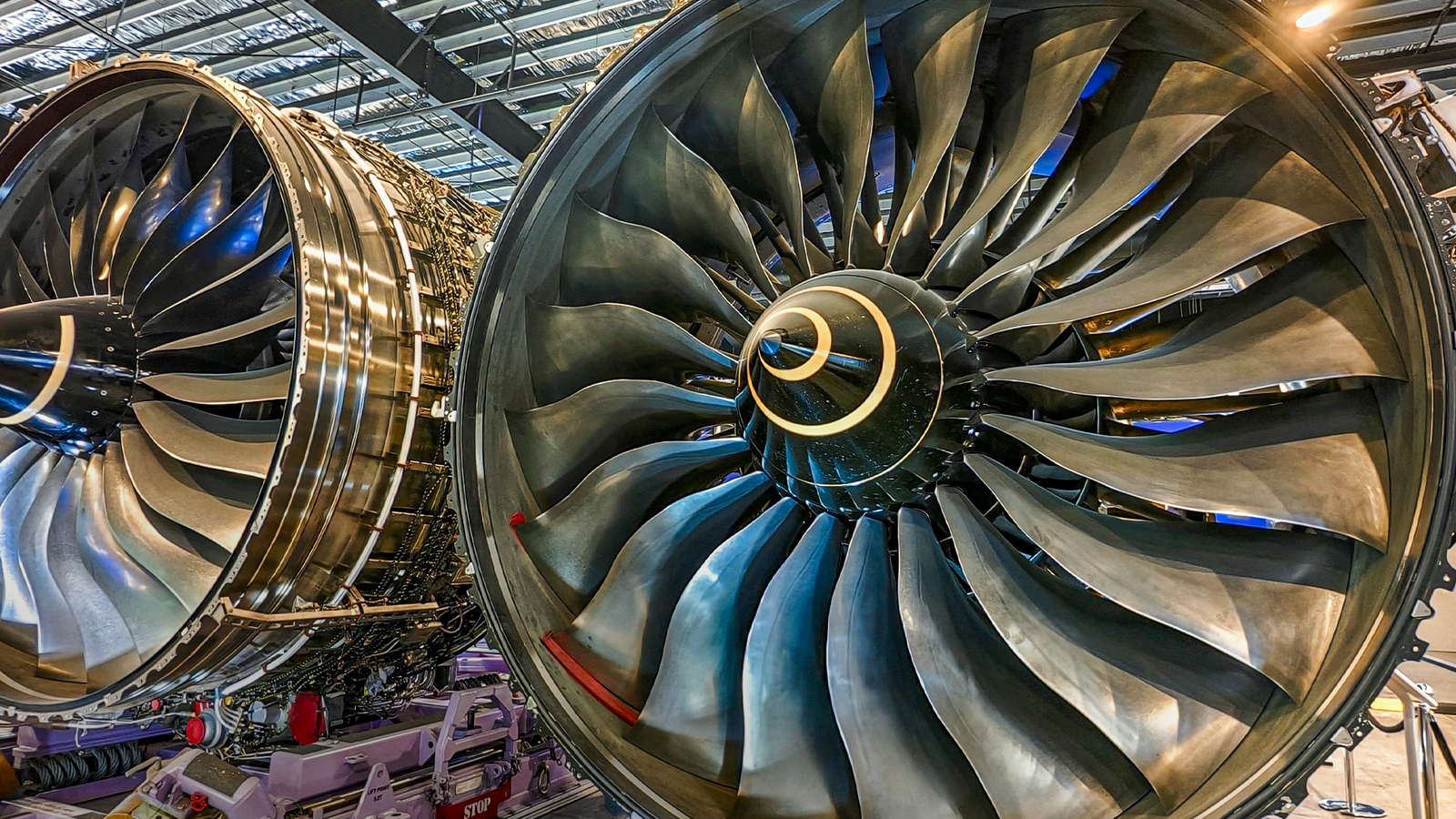
How Much Does A Rolls-Royce Trent 1000 Engine Cost?
Full Article
Original Source
Read the full article at Simpleflying →KhanList aggregates and links to publicly available news content. We do not host full articles from third-party sources. Always verify important information with original sources.