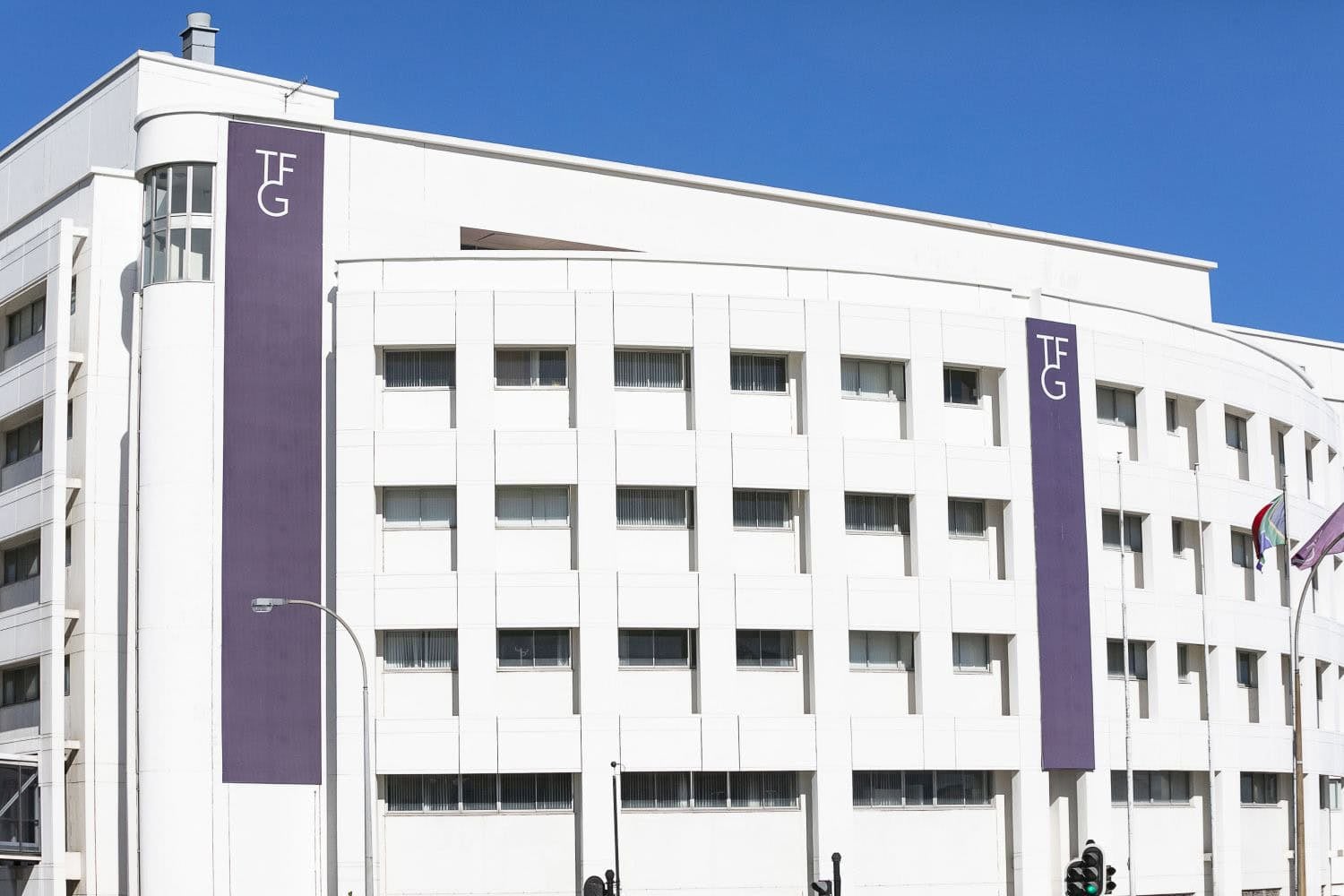
TFG says it prioritises the lowest-paid employees. After a challenging year, The Foschini Group (TFG) has withheld salary increases for its executives in the 2026 financial year, while prioritising wage increases for ordinary employees. The group owns several retail brands, including Foschini, Markham, and Sportscene. The company operates a large portfolio of clothing, homeware, and lifestyle stores across Africa, the United Kingdom, and Australia. Group CEO Anthony Thunström, who has held the position since 2018, acknowledged on Thursday that the period was challenging across all three geographies, and that conditions deteriorated sharply. “Internationally, trading conditions were extremely challenging, while in Africa the market saw almost no growth in three separate months – something we have rarely experienced before,” he said. Foschini group starts cutting from the top According to the group’s remuneration report, executives’ pay cheques were the first to be hit. Thunström received a total remuneration of R18.4 million for 2026, R26.3 million less than the R44.7 million he received in 2025. Group CFO Ralph Buddle also received less remuneration in 2026. The decreases were due to the group’s sluggish performance. “In the context of the Company’s below-expected financial performance and significant relative share price decline versus the sector, Remco initiated a discussion with the CEO and CFO,” said the retailer. “Following this engagement, it was agreed that the CEO and CFO would forgo any incentive relating to FY 2026. This outcome is considered appropriate given the performance delivered and aligns with the expectations of shareholders.” Foschini group gives executives no increases Thunström’s 2026 remuneration package includes a guaranteed salary of R16.8 million and benefits worth R481 000. While his total remuneration package decreased, his guaranteed pay (salary and benefits) increased from 2025. Buddle received a remuneration package of R8.4 million, a R9.7 million decrease from the R18.1 million he earned in 2025. However, his guaranteed pay for 2026 was slightly higher than in 2025 (R7.9 million). Like the CEO, Buddle received no bonuses. After cutting bonuses, the remuneration committee also decided the executive will not receive any increases. “As approved for FY 2027, executive management will receive a 0% guaranteed pay increase,” said the group. Pay gap The group’s remuneration report revealed the lowest-paid employee received R62 877, approximately R5 239.75 per month. Average and median remuneration within the group for the period were R153 140 and R86 069, respectively. The remuneration committee said it would give employees salary increases to protect and support the group’s lowest-paid employees. “Across the broader employee base, management and head office employees will receive an average increase of 2.0% (5% in 2025), while store and distribution centre employees will receive an average increase of 5.0% (6.0% in 2025). “These decisions reflect the Group’s current trading performance and overall affordability, while intentionally prioritising protection and support for the lowest paid employees.” Difficult time for retail Like many other retail giants operating in South Africa, TFG has cited difficult macroeconomic conditions. “In South Africa, lower interest rates offered a degree of relief to some consumers. However, the recovery failed to reach the mass market,” said Thunström. He added that the festive trading period, which generally generates over half of the group’s annual African profit, was sharply weaker than anticipated across the market. The United Kingdom was no different. Thunström said above-target inflation, elevated labour costs and sustained pressure on consumer confidence created one of the most structurally demanding retail environments in recent memory. In Australia, a brief period of improving economic conditions in the first half was undermined by a reversal in the rate cycle, further eroding real disposable incomes and pushing consumer confidence to multi-year lows. Store closures Thunström said during the period the group opened 233 new outlets and closed 242, ending the year with 4 914 stores (FY 2025: 4 923); in the UK in particular, TFG reduced exposure to department store concessions. “We have identified approximately 300 underperforming and marginal stores and are working through these with discipline,” he added. “Close underperforming and marginal stores and sharpen our brand portfolio. Strong e-commerce growth enables rationalisation of our store network: we are accelerating the closure of underperforming and marginal stores across all three geographies to improve trading densities and returns.”
Foschini group CEO gets R26m less, while employees receive 2% and 5% increases
Full Article
Original Source
Read the full article at Citizen →KhanList aggregates and links to publicly available news content. We do not host full articles from third-party sources. Always verify important information with original sources.