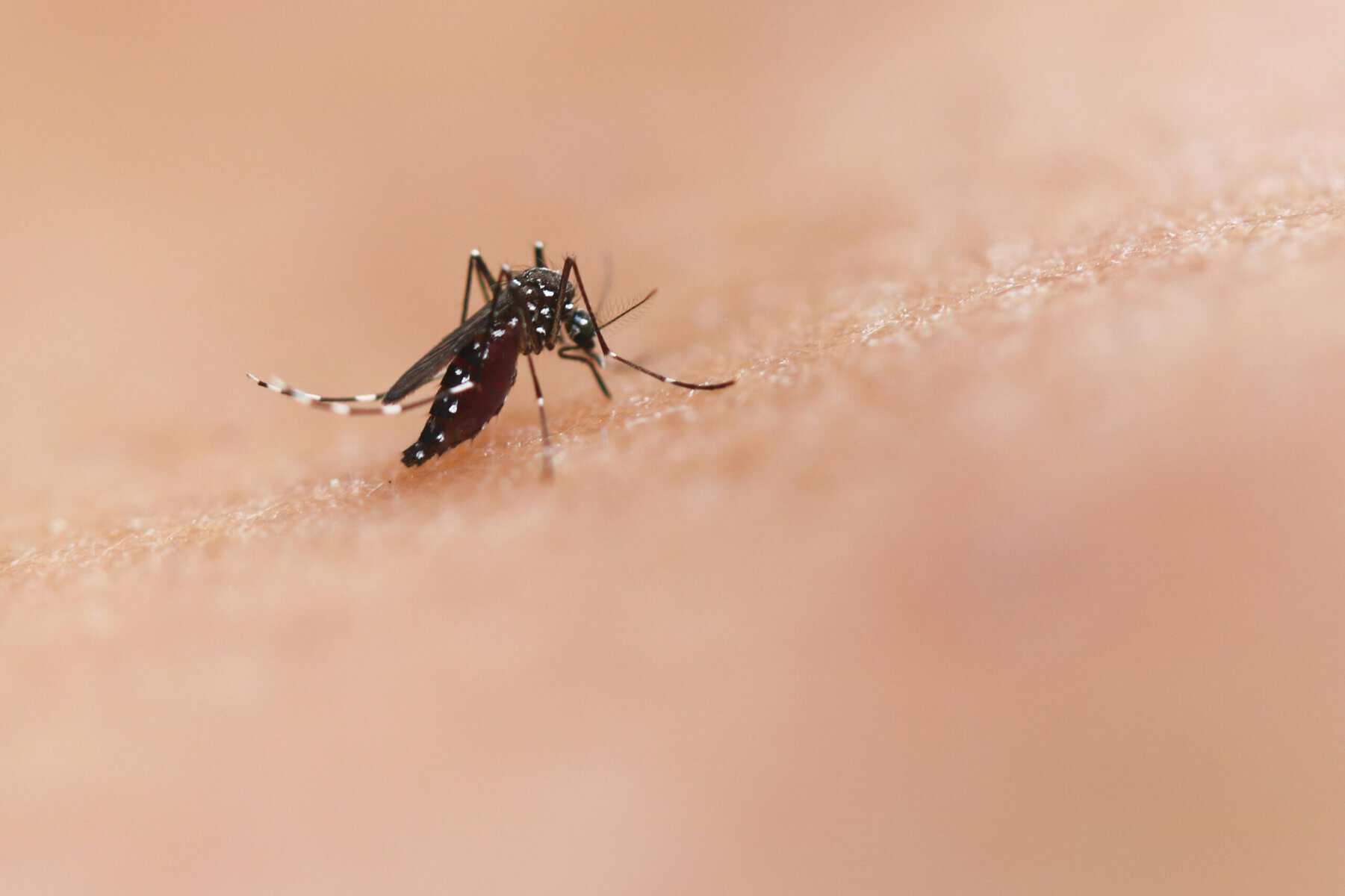
If you have a Guanacaste trip on the calendar, the update that landed yesterday changes what you pack, not whether you go. The U.S. Centers for Disease Control and Prevention refreshed its Costa Rica chikungunya notice on July 30, keeping it in place and describing an outbreak in northwest Costa Rica. The advice attached to it is one line long: protect yourself by preventing mosquito bites. The designation itself has not moved. It has been at Level 2 since the U.S. Embassy issued its own alert in mid-July, and it is still there. What a refresh signals is that the agency looked again and left the rung where it was. Understanding that rung is the useful part, because the number does a lot of work in headlines and almost none in practice. Level 2 is what the agency labels Practice Enhanced Precautions. It is the second rung on a four-step ladder. Level 3 asks travelers to reconsider nonessential trips. Level 4 tells them to stay away. Level 2 does neither. It does not restrict travel, close anything, or ask anyone to cancel a booking. It tells you the risk of one specific illness is higher than usual in one part of the country and that ordinary precautions are no longer optional. There is one exception written into the notice. If you are pregnant, the agency asks you to reconsider travel to the affected areas, particularly if you are close to delivering. A mother infected around the time of birth can pass the virus to her baby, and newborns infected that way face a real risk of severe illness. Vaccination is generally deferred until after delivery, so the protection that is available to other travelers is not available to you. That paragraph is the only part of the notice that asks anyone to change plans rather than change behavior. For everyone else, there is a piece of guidance that has firmed up since we last covered this. The agency recommends vaccination for travelers heading into an area with an active chikungunya outbreak, alongside the bite-prevention basics. Two chikungunya vaccines are licensed in the United States, and eligibility depends on age and health history, so that is a conversation for a travel clinic rather than a checkout line. Give it lead time. A vaccine decided on the week of departure is not much of a decision. The outbreak underneath the notice is the one the Health Ministry declared at Playa Langosta on July 1, and containment work there has continued since. Costa Rica had recorded no active circulation of chikungunya since 2017, and that run ended this year. What has changed over the past three weeks is the shape of the outbreak rather than the label attached to it. On the national count, two ministry figures are in circulation and they measure different things. As of July 21, the Health Ministry reported 21 cases confirmed by PCR testing nationwide. A day later, a broader ministry tally that includes probable and epidemiologically linked cases put the total at 47, up from 11 several weeks earlier. Under that wider count, Guanacaste held 18 cases tied to the Playa Langosta outbreak and Alajuela held 16, concentrated in community clusters rather than scattered individually. Scattered cases were reported in Carrizal, Atenas and Grecia, with imported cases in Pavas and Belen de Heredia. The ministry has not published an updated national figure since. Anyone quoting a single number should say which of the two they mean. The Alajuela cluster is the detail most likely to get lost. A travel notice naming the northwest is accurate about where the outbreak started and incomplete about where the virus is now. The Health Ministry’s surveillance director has said the increase began with people returning from trips abroad, mostly to Nicaragua, and that the mosquito did the rest once the virus was here. Officials also believe transmission at Playa Langosta was underway before the first cases were confirmed, partly because some people who fell ill never sought care. The precautions themselves have not changed, and we have set them out in full. In short: registered repellent, sunscreen on first and repellent second, long sleeves where the heat allows, screened or air-conditioned rooms, and a walk around the patio to tip out anything holding water. That last step is the one that matters most now. Fumigation kills adult mosquitoes on the wing and does nothing to the larvae sitting in a plant saucer, which is why crews keep returning to the same neighborhoods. If you develop a sudden fever above 39 degrees Celsius (102 degrees Fahrenheit) with severe joint pain, during a trip or in the days after flying home, see a doctor and say where you have been. That last part is not a formality. Reported cases are how the ministry draws its map, and the map is what sends a control team to a given block. Part of the delay in catching this outbreak came down to people who felt awful for a week and rode it out at home. None of this is a reason to redraw a trip or a move. It is a reason to treat mosquito bites as a health matter rather than an irritation through the wet months, when standing water is everywhere and the Aedes population peaks. The same mosquito carries dengue and Zika, the same precautions work against all three, and on the evidence of the past month they are worth taking in the Central Valley as much as on the coast.
Costa Rica Chikungunya Cases Spread Inland as CDC Refreshes Travel Notice
Full Article
Original Source
Read the full article at Ticotimes →KhanList aggregates and links to publicly available news content. We do not host full articles from third-party sources. Always verify important information with original sources.