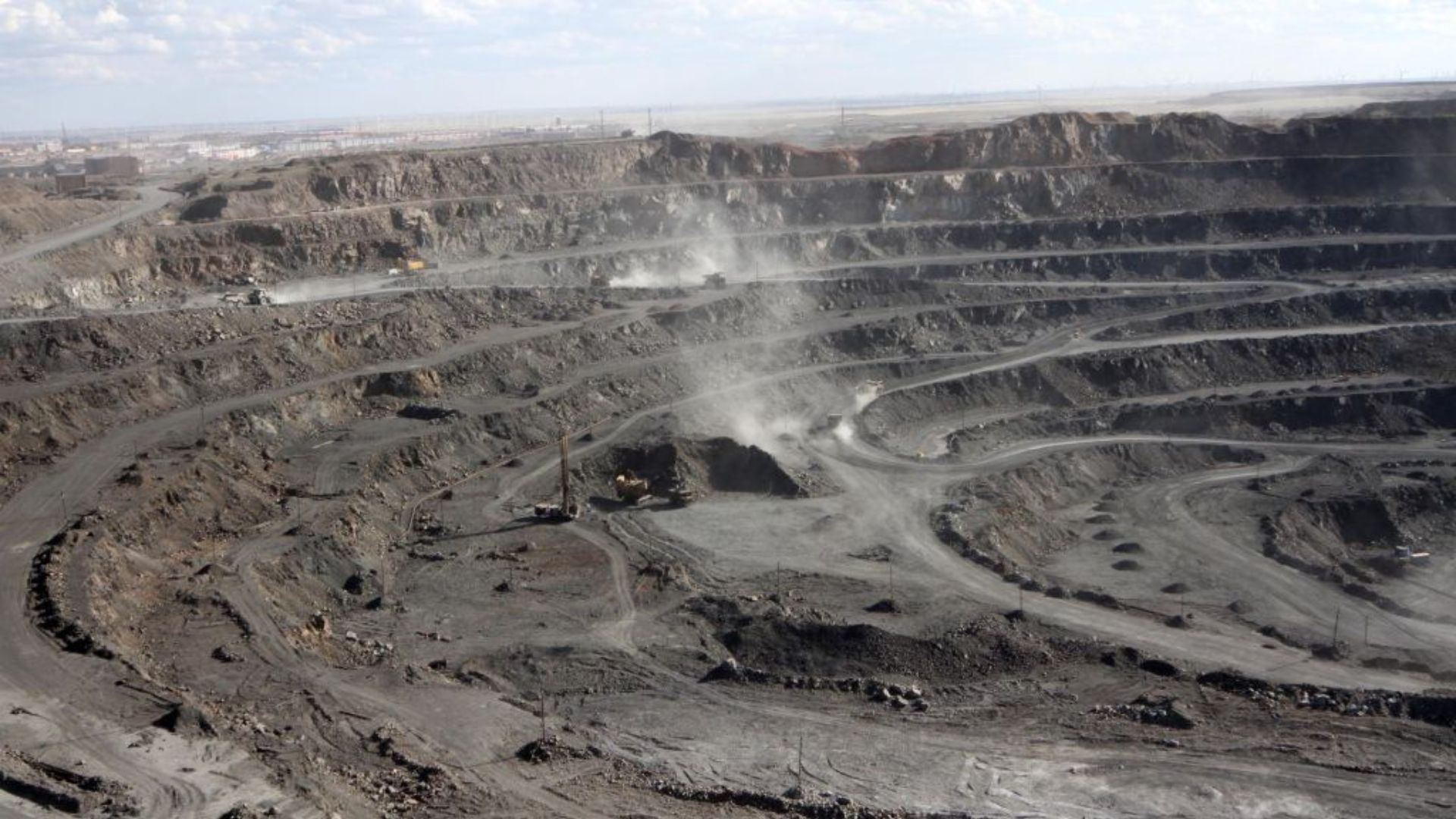
Rare earth elements are non-negotiable for the clean energy transition. Already the world’s largest rare earth deposit, China’s Bayan Obo mine may hold significantly more resources than estimated. With a reported 100 million tonnes in reserves, the complex has fueled global electronics, defense systems, and green technologies since the 1990s. Recent geological findings reveal that we have barely scratched the surface. According to an earlier study published in Science Advances led by Peking University geologist Yang Li, Bayan Obo’s deep underground reserves could be several times larger than current estimates suggest. Reportedly, the potential resources at depths of 500 to 1,000 meters (1,640 to 3,280 feet) could be several times larger than current figures. Two-stage volcanic wonder To support the surging global demand for rare-earth elements (REE) in net-zero technologies, researchers deciphered how Bayan Obo was formed after years of scientific uncertainty. Bayan Obo was not born in a single moment. It evolved. Geologists long assumed the deposit formed during a single ancient event. Yang’s research team disproved that theory. “After nearly a century of study, the genesis of Bayan Obo remains debated. Here, we demonstrate that two stages of carbonatites emplaced at Bayan Obo at 1320 and 430 million years ago (Ma),” the researchers noted in the study paper. The study found that the site was shaped most likely by multiple stages of carbonatite activity, which is a rare volcanic phenomenon where runny, cool-burning lava packed with carbonate minerals erupts from deep beneath the crust. The second, younger wave proved crucial. It drove intense mineralization and pushed large carbonatite bodies deep underground. In shallow zones alone, potential resources stand at 333 million metric tons, as per the South China Morning Post. A younger wave released vast amounts of REE-rich brine and alkaline fluids. These fluids seeped into the cracks and layers of the older deformed rock (metasomatism). Plunge beneath that, and the resource potential multiplies. Quantity vs. capability Despite the eye-watering resource figures, geologists urge caution. Earthly abundance does not automatically equal economic wealth. As geologist Li points out, extracting rare earth elements from deep underground triggers a sharp rise in mining complexity, technical risk, and financial cost. Apart from discovering raw reserves, the hurdle also lies downstream: the complex, expensive, and technically demanding process of extracting, separating, refining, and manufacturing those rare earths into high-end, usable materials. Essential for green tech and military systems, rare earth elements have triggered a Western scramble to break China’s dominant grip on supply chains, with the U.S. reopening Mountain Pass mine and Japan exploring deep-sea mud near Minamitorishima Island. However, building alternative supplies is tough and pricey. Countries face high costs, slow regulations, and hard engineering challenges, like digging up the ocean floor or building complex processing plants on land. Bayan Obo holds major reserves of niobium (critical for aerospace and high-strength steel). However, because the ore is low-grade and complex to separate, China remains heavily reliant on niobium imports due to cost barriers. Bayan Obo’s massive underground reserves show that controlling the mining landscape could be all about having the processing power and technology to refine it in the future. Recommended ArticlesGet the latest in engineering, tech, space & science - delivered daily to your inbox.Mrigakshi is a science journalist who enjoys writing about space exploration, biology, and technological innovations. Her work has been featured in well-known publications including Nature India, Supercluster, The Weather Channel and Astronomy magazine. If you have pitches in mind, please do not hesitate to email her.
China’s rare earth dominance runs deeper than expected, geological study finds
Full Article
Original Source
Read the full article at Interestingengineering →KhanList aggregates and links to publicly available news content. We do not host full articles from third-party sources. Always verify important information with original sources.