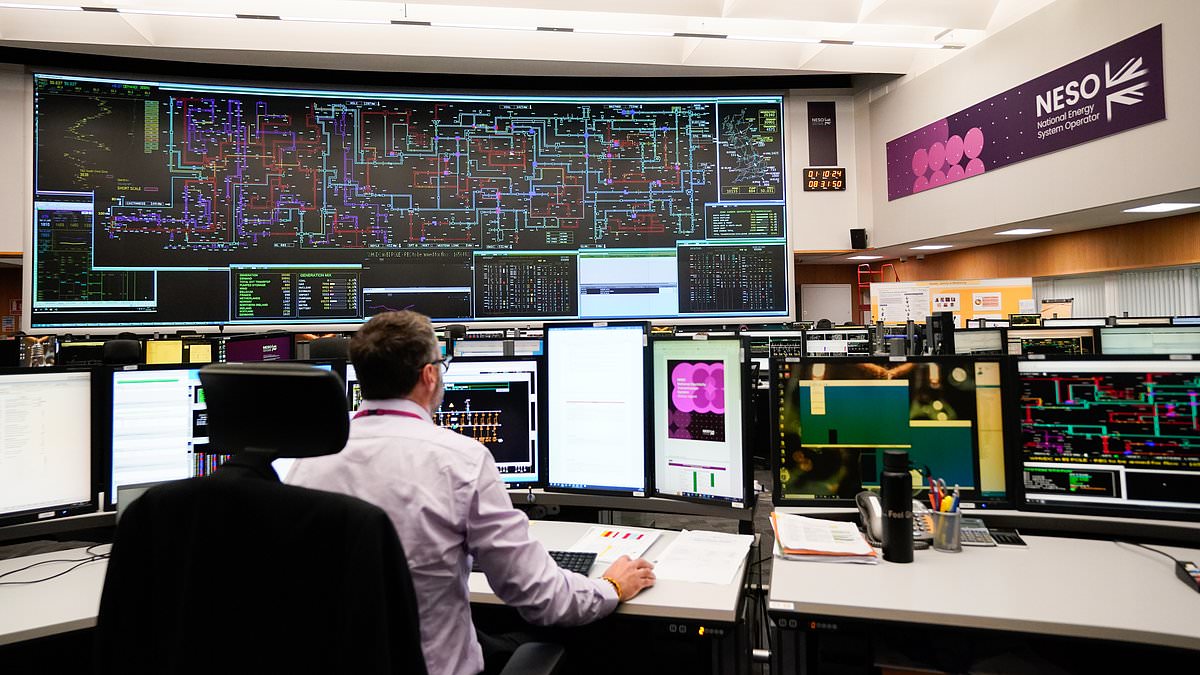
Britain's energy grid operator has repeatedly failed to file crucial reports on electricity planning and risks to the regulator Ofgem, it has been claimed. Following a power outage in 2019 affecting one million people, the National Energy System Operator (Neso) was supposed to submit a report to Ofgem each year about possible high-risk grid events and how much it would cost to manage them. But, according to The Times, the report for this year has been scrapped because Neso took too long to complete last year's version. Ofgem exempted Neso from submitting a risk report this year as it said there would be insufficient time for Neso to get its report for 2027 ready if it spent time completing this year's filing. In 2025 Neso tried to get Ofgem to approve a proposal in last year’s risk report that its standards be watered down. Ofgem rejected the proposal. But Ofgem then held a consultation with 15 stakeholders, a third of whom supported the watered-down standards proposal. Under scrutiny: Neso is under heavy scrutiny over a heatwave incident on June 23According to The Times, Neso resubmitted the proposal in March and three of the seven members of an expert Neso panel declined to support the proposal. But Ofgem still granted permission to run the grid with lower levels of 'inertia', which is an important marker of stability in the grid network. According to The Times, Neso uses outdated communications systems and still relies on fax machines. The fax machines at Neso are reportedly not being phased out until January 2027. As well as the risk report, Neso is also meant to submit a separate 10 year statement on electricity supply this year, having missed two planned publication deadlines before. But Ofgem said Neso no longer needs to provide the statement on the 10 year supply plan this year. The regulator said the statement would be replaced with new strategic plans, but these have also been delayed and will not be published until the end of 2028.Andrew Larkins, an energy consultant who has advised Neso in the past, said Neso's delays signalled that it was struggling to keep up with the Government's clean power target. Investigation over June heatwave incident During heatwaves Neso is under extra pressure. Heatwaves have caused wind turbines to slow, gas power plants to falter, and the French nuclear plants exporting electricity to Britain to power down. At the same time, electricity demand for air conditioning and refrigeration units increases.According to The Times, which saw confidential internal Neso reports, five safety limits on Britain’s electricity grid were breached during last month’s heatwave and 'system security was compromised'. Neso insisted at the time that the electricity system 'operated securely' during an incident on June 23. But questions have been raised over why Neso had not followed its own protocols to ration electricity to protect against the risk of uncontrolled blackouts. Claire Coutinho, the shadow energy secretary, claimed that whistleblowers had told her that Neso’s corporate affairs team interfered in the handling of the June 23 incident. Earlier this month, Ofgem said it would open an investigation into allegations that Neso covered up the seriousness of the June heatwave incident. The Department for Energy Security and Net Zero said: 'The UK has one of the most reliable electricity systems in the world — in its 75-year history, there has never been a complete grid shutdown. 'We are very confident in our security of supply arrangements, and that Neso have the tools they need to manage the system. At no time has there been any concern about being able to meet demand in heatwaves.' Net zero push risks higher electricity bills The Government wants to create a virtually carbon-free grid by 2030.But Britain's net zero push risks leaving the country with higher electricity bills and more susceptible to blackouts, according to a leaked report commissioned by Neso. The report, produced by energy consultancy firm Cornwall Insight for Neso and shared with The Times by a whistleblower, revealed that Neso cannot accurately map the modern power system amid the Government’s green energy push.The whistleblower warned that Neso, which is owned by the government, was 'flying blind, every minute of every day' in its ability to understand energy supply and demand.'We are risking a total blackout', the whistleblower said. In its report, Cornwall Insight said the rise of renewable power sources like wind farms, solar panels, and batteries, had given grid operators 'reduced visibility of the capacity which is supplying and taking power from the GB network', complicating its ability to forecast supply and demand. DIY INVESTING PLATFORMSAJ BellAJ BellEasy investing and ready-made portfoliosHargreaves LansdownHargreaves LansdownFree fund dealing and investment ideasinteractive investorinteractive investorFlat-fee investing from £4.99 per monthFreetradeFreetradeInvesting Isa now free on basic planTrading 212Trading 212Free share dealing and no account feeAffiliate links: If you take out a product This is Money may earn a commission. These deals are chosen by our editorial team, as we think they are worth highlighting. This does not affect our editorial independence.Compare the best investing account for you
National Grid operator still uses fax machines and fails to file crucial risk reports to Ofgem, report claims
Full Article
Original Source
Read the full article at Dailymail →KhanList aggregates and links to publicly available news content. We do not host full articles from third-party sources. Always verify important information with original sources.