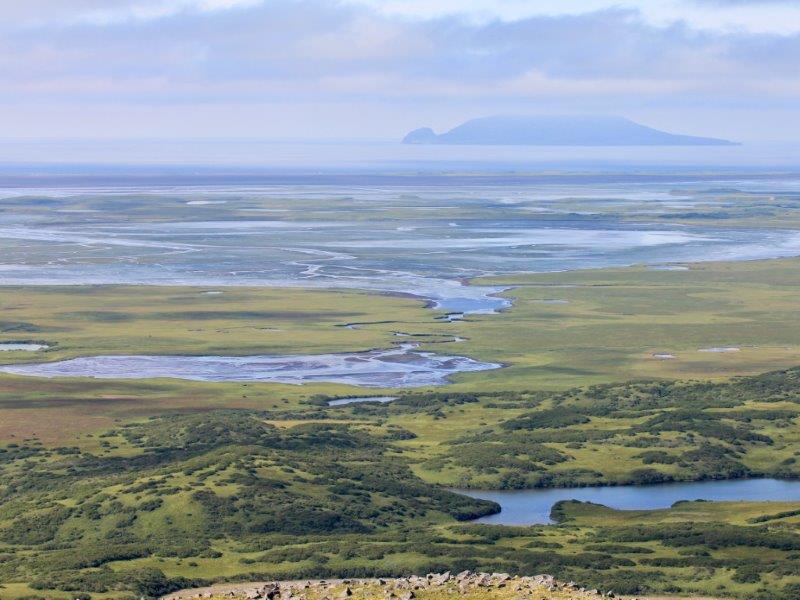
Alaska transportation officials had expected to promptly begin construction on the now-approved King Cove Road within the Izembek National Wildlife Refuge, but a federal judgment could hold them off.ANCHORAGE, Alaska (CN) — Another stack of paperwork has been added to a growing pile of litigation opposing Alaska’s intended construction of a 19-mile road inside a protected peninsular natural area.On Wednesday, multiple conservation organizations sued the U.S. Army Corps of Engineers in U.S. District Court for the District of Alaska. Earlier this month, the military engineering branch, which reviews significant development projects and potential environmental impacts of such actions, announced its official approval of state plans for a road through the Izembek National Wildlife Refuge, located east of the Aleutian Islands on the Alaska Peninsula.The plaintiffs, including the Friends of Alaska National Wildlife Refuges, Alaska Wilderness League and National Wildlife Refuge Association, argue the Army Corps violated the Clean Water Act, Administrative Procedure Act and other statutes by issuing a permit for the project.Trustees for Alaska, a legal nonprofit with an environmental focus, is the plaintiffs’ counsel. In the complaint, Trustees lawyers pointed out the Izembek refuge is “internationally recognized for its unique and ecologically significant wetlands and wildlife,” arguing development would “permanently alter the landscape” and risk the health of wildlife like brown bears, waterfowl, sea lions and sea otters.Named after an Alaska Native corporation that would own the rights to the thoroughfare, the proposed “King Cove Road” would extend for 18.9 miles from the corporation’s namesake village to Cold Bay, allowing King Cove residents easier access to a larger airport in the latter town.According to the plaintiffs, the Army Corps approval ignored past findings by the U.S. Fish and Wildlife Service that a road proposal would be “the greatest known potential threat to wildlife and wilderness values within the Izembek complex,” as well as service assessments concluding transport alternatives like air and sea connections would be just as reliable as a road, if not more so.The Army Corps issued the permit unlawfully, plaintiffs said, by failing to consider mitigating options and not giving proper consideration to impacts of the proposal that concern marine ecosystems.A land swap between the King Cove Corporation and the Interior Department, initially planned during President Donald Trump’s first term before being revised and ultimately withheld by the Biden administration, went through last October, giving the corporation 484 acres of federal land between the two towns in exchange for 1,739 acres elsewhere within the Izembek refuge.King Cove Corporation representatives say a road connection to Cold Bay would greatly improve medical access for village residents.The land swap itself is being challenged in federal court by three Alaska Native villages and the Center for Biological Diversity, who charge the Interior Department with violating the National Environmental Policy Act and Endangered Species Act by failing to consider impacts on wildlife and by not applying any restrictions to usage of the proposed road — for example, regulation on commercial or recreational use.U.S. District Judge Sharon L. Gleason will determine the legality of the land swap, while the new Army Corps lawsuit remains unassigned at the time of publication.Since multiple aspects of the King Cove Road proposal are targeted in separate cases for violation of environmental and administrative law, any ruling in favor of respective plaintiffs could slam the brakes on the State of Alaska’s intent, per Governor Mike Dunleavy, to “begin road construction in 30 days” of Army Corps approval.“The King Cove Road permit approval reflects President Trump’s vision for a more efficient nation — cutting unneeded red tape and overhauling our regulatory process to provide fast, clear and consistent decisions that implement our regulatory authorities just as Congress intended,” said Assistant Secretary of the Army for Civil Works Adam Telle. “We are able to help projects like this move forward with regulatory certainty, and provide the people of Alaska with the safe, reliable access they deserve.”“If the Izembek road happens, it will cause a lot of chaos for Alaska Native people in my region who still live off the land and sea. The birds we hunt may not be able to survive,” said Chief Edgar Tall Sr. of the Native Village of Hooper Bay, a plaintiff in the land swap case that filed its own suit against the Army Corps Thursday. “I want the government to listen to us and stop destroying things before everything around us just disappears.”Subscribe to our free newslettersOur weekly newsletter Closing Arguments offers the latest about ongoing trials, major litigation and rulings in courthouses around the U.S. and the world, while the monthly Under the Lights dishes the legal dirt from Hollywood, sports, Big Tech and the arts.Additional Reads
Army Corps faces suit after approving road through Alaska wildlife refuge
Full Article
Original Source
Read the full article at Courthousenews →KhanList aggregates and links to publicly available news content. We do not host full articles from third-party sources. Always verify important information with original sources.