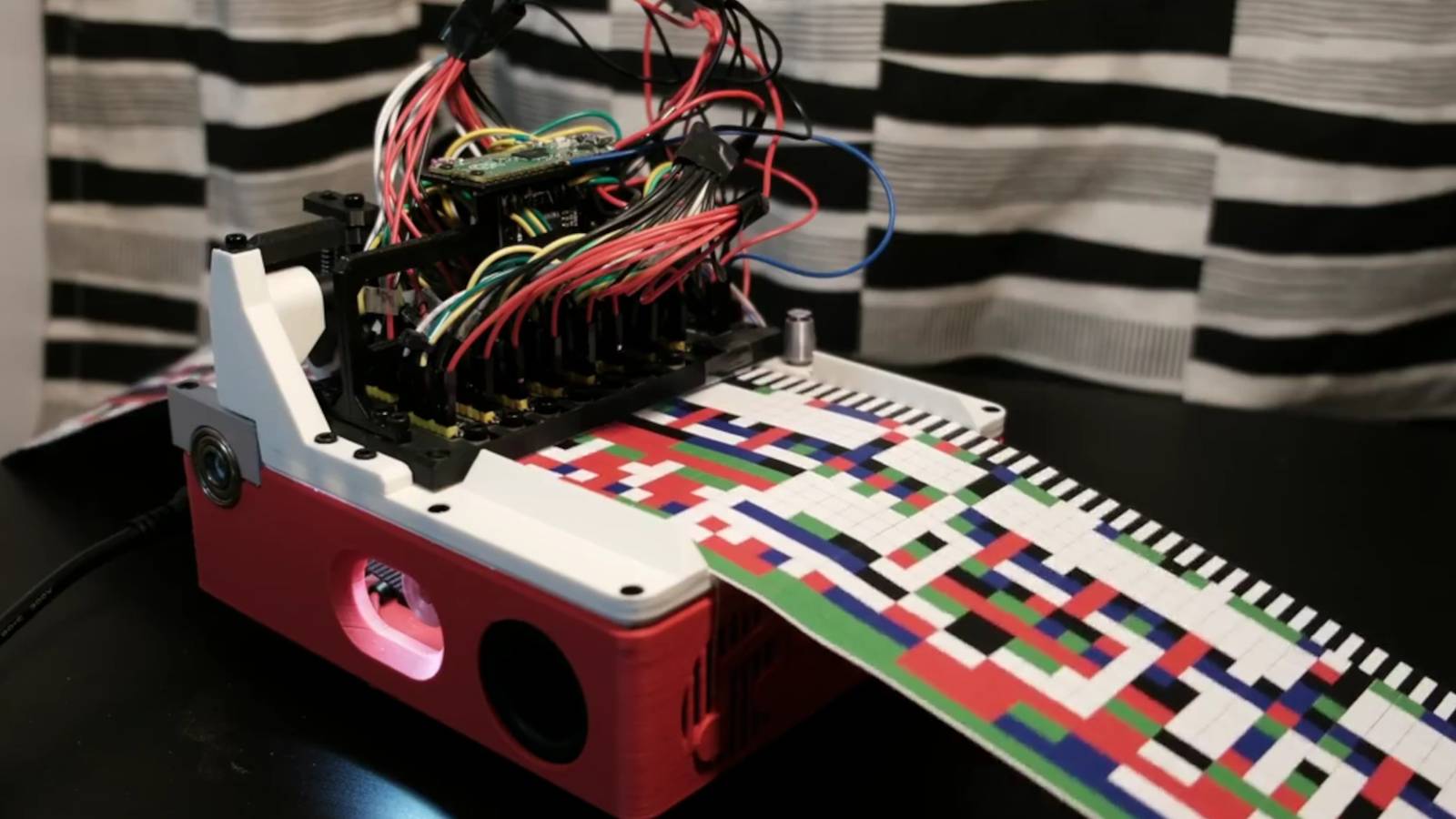
Credit: nobitrate Published Jul 27, 2026, 2:15 AM EDT Simon is a Computer Science BSc graduate who has been writing about technology since 2014, and using Windows machines since 3.1. After working for an indie game studio and acting as the family's go-to technician for all computer issues, he found his passion for writing and decided to use his skill set to write about all things tech. Since beginning his writing career, he has written for many different publications such as WorldStart, Listverse, and MakeTechEasier. However, after finding his home at MakeUseOf in February 2019, he would eventually move on to its sister site, XDA, to bring the latest and greatest in Windows, Linux, and DIY electronics. Sign in to your XDA account Summary The COMB Optical Music Box uses a Raspberry Pi Pico and color sensors to read colored strips and play tunes. It encodes music in base-5 colored squares: 4 instrument channels, a command channel, and a checksum. The code, the COMBiner compiler, and the docs are on GitHub, so you can build your own optical music cards. One of my favorite uses of hobby hardware is when people revive old tech using a Raspberry Pi. Sometimes that involves adding a Pi to an old shell and having the SBC take over lost functionality, but sometimes, people revamp the classics. Such is the case of this music box that takes notes from the old punch card devices of late and turns it into a more modern, DIY-able version for your Raspberry Pi Pico The COMB Optical Music Box trades punch holes for colored boxes It can still play a mean tune, though Over on the Raspberry Pi subreddit, user nobitrate gave everyone a peek at their newest gadget, the COMB Optical Music Box. It kind of works similarly to those older music machines that ran off punchcards to play music. This one uses a Raspberry Pi Pico and TCS3472 color sensors to read a coloured strip of card, which then passes its readings to a SAM2695 synthesis chip in an M5Stack MIDI unit. Here's how nobitrate set up those colored squares to translate into a song: The paper strips are encoded in base 5: 4 instrument channels, each with 3 digits with a 75 notes range and 50 instrument options; 1 command channel with 3 digits that lets you change the speed, volume, and note duration of a chosen channel; and finally, 1 checksum digit. If you'd like to make your own and make some music cards for yourself, there are a few GitHub links you need to check out. The first is the COMB Optical Music Box GitHub page for the code. You'll also want the COMBiner to compile the music, and the compiler reference so you know what you're doing. Once it's all done, you can make some music and impress any guests that come over with your music box.
You, too, can make this amazing Raspberry Pi music box that plays tunes from colored strips
Full Article
Original Source
Read the full article at Xda-developers →KhanList aggregates and links to publicly available news content. We do not host full articles from third-party sources. Always verify important information with original sources.