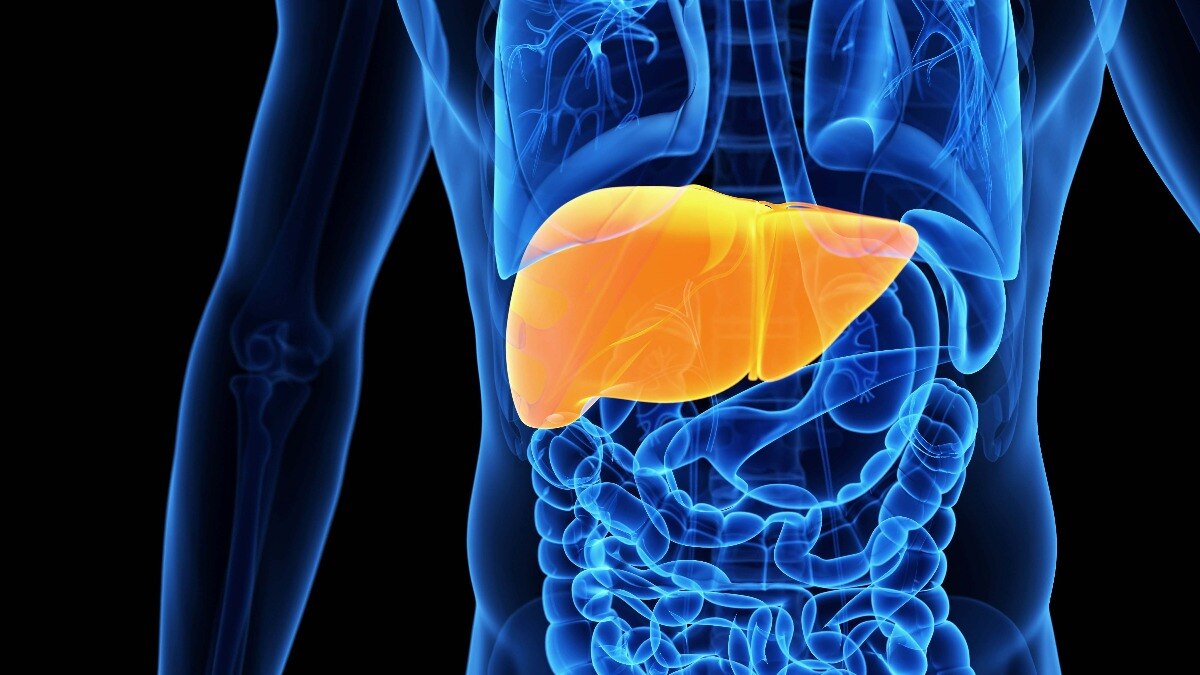
Fatty liver disease is no longer limited to people who drink alcohol. Doctors say several everyday habits, from sugary drinks to poor sleep, can silently damage the liver over time.Doctors flag nine liver-damaging habitsFor decades, alcohol has been seen as the biggest enemy of the liver. While heavy drinking is still a major cause of liver disease, doctors say it is no longer the only threat. In fact, an increasing number of people who have never consumed alcohol are being diagnosed with fatty liver disease. In this condition, excess fat builds up in the liver and gradually affects its function.This growing health problem is being driven by modern lifestyles rather than alcohol alone. Long hours of sitting, eating ultra-processed foods, consuming sugary beverages, sleeping poorly, living with constant stress, and taking medicines without medical advice are all putting the liver under pressure. Conditions such as obesity, diabetes, and high cholesterol further increase the risk, making fatty liver one of the fastest-growing lifestyle diseases.One of the biggest challenges with liver disease is that it develops quietly. Unlike many other organs, the liver has very few pain receptors, so damage often goes unnoticed until it becomes severe. This is why experts stress that prevention is far easier than treatment.According to Dr Sarath Gopalan, Lead Consultant - Pediatric Hepatologist & Gastroenterologist, Madhukar Rainbow Children's Hospital, liver disease is no longer just an alcohol-related illness. He says adopting healthier daily habits is one of the best ways to protect the liver and prevent long-term complications. 1. EATING TOO MANY ULTRA-PROCESSED FOODSPackaged snacks, instant noodles, frozen meals, processed meats, chips, biscuits, and fast food often contain unhealthy fats, refined carbohydrates, preservatives, and excess salt. Eating these foods regularly can lead to fat accumulation in the liver. Doctors recommend replacing processed foods with fresh fruits, vegetables, whole grains, pulses, nuts, and home-cooked meals whenever possible.2. DRINKING SUGARY SOFT DRINKS EVERY DAYSoft drinks, energy drinks, packaged fruit juices, and sweetened beverages contain large amounts of added sugar. Excess sugar is converted into fat by the liver, increasing the risk of fatty liver disease.Even drinks that appear healthy may contain hidden sugars, so reading nutrition labels can help reduce unnecessary sugar intake.3. CONSUMING TOO MUCH FRUCTOSEFructose is a type of sugar commonly added to processed foods and beverages in the form of high-fructose corn syrup. While fruits naturally contain fructose along with fibre and nutrients, excessive fructose from packaged foods is harmful.Large amounts of fructose force the liver to produce more fat, which may eventually contribute to fatty liver disease.4. LIVING A SEDENTARY LIFESTYLESitting for long hours at a desk, avoiding exercise, and spending most of the day inactive slows down metabolism and encourages fat to build up in the body, including the liver.Regular physical activity helps the liver process fats more efficiently, improves insulin sensitivity, and lowers the risk of developing fatty liver disease.Doctors recommend at least 150 minutes of moderate exercise every week, along with reducing prolonged sitting.5. NOT GETTING ENOUGH SLEEPPoor sleep affects much more than energy levels. Research has shown that inadequate sleep can interfere with the body's metabolism, hormone balance, and insulin regulation, all of which can increase the risk of liver disease.Adults should aim for seven to nine hours of quality sleep every night.6. LIVING WITH CONSTANT STRESSChronic stress can influence eating habits, sleep, hormone levels, and inflammation throughout the body. Over time, these changes may indirectly contribute to liver damage.Simple stress-management techniques such as walking, meditation, yoga, breathing exercises, and spending time with family can help improve overall health.7. TAKING MEDICINES WITHOUT MEDICAL ADVICEMany people assume over-the-counter painkillers, herbal remedies, and dietary supplements are completely safe. However, taking excessive doses or using these products for long periods can strain the liver.Some traditional medicines and supplements may also contain ingredients that can cause liver injury.Doctors advise taking medicines only as prescribed and informing healthcare providers about all supplements being used.8. IGNORING OBESITY, DIABETES, AND HIGH CHOLESTEROLBeing overweight or obese significantly increases the risk of fatty liver disease. Similarly, uncontrolled diabetes and high cholesterol allow more fat to accumulate in the liver.Managing these conditions through healthy eating, exercise, regular medical check-ups, and prescribed medications can reduce the risk of liver damage.9. SKIPPING REGULAR HEALTH CHECK-UPSBecause liver disease often develops silently, many people remain unaware until complications appear.Routine health check-ups, including liver function tests when advised by a doctor, can detect problems early. Since the liver has a remarkable ability to repair itself, early diagnosis often allows damage to be reversed through lifestyle changes and timely treatment.HOW TO KEEP YOUR LIVER HEALTHYProtecting the liver doesn't require expensive treatments. Doctors say simple daily habits can make a significant difference:Maintain a healthy body weight.Eat a balanced diet rich in fruits, vegetables, whole grains, and lean proteins.Limit sugary drinks and processed foods.Exercise regularly.Sleep well every night.Avoid unnecessary medications and supplements.Manage diabetes, obesity, and cholesterol effectively.Go for regular health check-ups.Avoid smoking and limit alcohol if you consume it.Many people believe they are safe from liver disease simply because they do not drink alcohol. However, experts say today's lifestyle poses a different kind of risk. Poor diet, inactivity, excess sugar, stress, inadequate sleep, and unmanaged medical conditions can silently damage the liver over time.The encouraging news is that the liver is one of the few organs capable of healing itself if damage is detected early. Making healthier choices every day, not just avoiding alcohol, can go a long way in protecting this vital organ and reducing the risk of fatty liver disease.- EndsPublished By: Smarica PantPublished On: Jul 31, 2026 12:08 IST
You don't have to drink to damage your liver: 9 habits doctors warn about
Full Article
Original Source
Read the full article at Indiatoday →KhanList aggregates and links to publicly available news content. We do not host full articles from third-party sources. Always verify important information with original sources.