
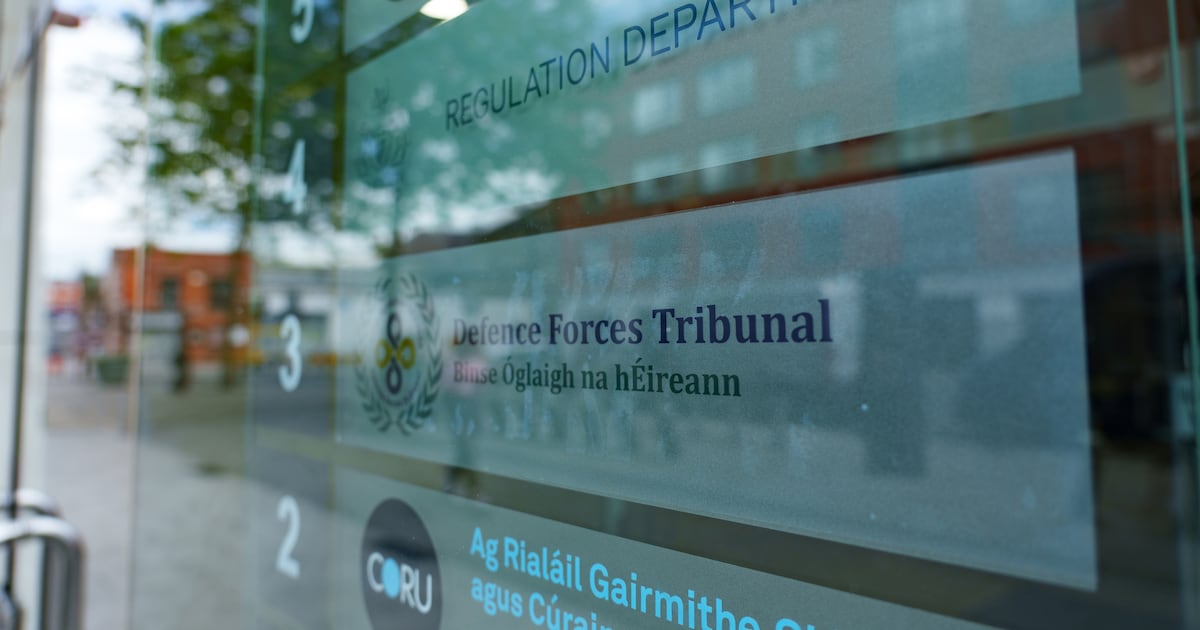
Some current and former Defence Forces members have “no confidence” in the confidentiality of the organisation’s complaints process for sexual abuse and bullying, a tribunal has heard.Gareth Compton, senior counsel for more than 150 current and former Defence Forces members, said the “main concern” for his clients is that they have “no confidence” in the complaints process being confidential and no confidence that they would not face “repercussions” for raising concerns.He questioned Col Darragh O’Brien, a senior officer working in human resources in the organisation, whether he was “aware of any study or report” which examined whether these processes should be handled by an external third party. “I cannot speak to that,” O’Brien said, declining to give a direct answer to a question he said went beyond his remit.READ MORECompton queried whether there is a “general tension” between making complaints and “the idea of being a good soldier”.“Would a good soldier complain?” he asked. Legal representatives for the State objected to the question. [ Defence Forces chief faces discovery requests over alleged sex assault and charge against corporalOpens in new window ]The Defence Forces Tribunal is presided over by Judge Ann Power and is charged with investigating how the organisation handled complaints of sexual assault, rape, bullying and harassment between January 1983 and June 2024.The tribunal was established in response to concerns raised by a 2021 RTÉ Radio documentary, Women of Honour, which alleged sexism and bullying in the organisation was widespread and that these issues, as well as cases of sexual assault and rape, were inadequately investigated.Neil Byrne, senior counsel for the tribunal, outlined the series of “formal and informal mechanisms” through which complaints of discrimination, bullying, harassment, physical torture, physical assault, psychological harm, sexual assault, and any other forms of sexual misconduct could be lodged.He said an “effective complaints process will act as a deterrant to potential abusers”.However, Byrne said the tribunal would hear from witnesses who were “deterred either directly or indirectly” from making complaints about abuse due to the culture of the organisation.“Others will allege they suffered intimidation, reprisals and penalisation following complaints of abuse.”O’Brien, a serving member of the Defence Forces and a veteran of peacekeeping missions in Lebanon, the Balkans and Afghanistan, gave a lengthy presentation to the tribunal about the “evolution” and improvement of the complaints procedures during in his near 40-year military career.[ Army apprentice was verbally abused and mocked by seniors day before death, tribunal hearsOpens in new window ]The tribunal took evidence in public for the first time in June, but has privately heard from or interviewed more than 300 witnesses and examined some 200,000 pages of documentation.A recent discovery order made by the tribunal in June for all documents held by the Defence Forces relating to complaints of abuse, resulted in an additional 2,257 pages of materials needing to be reviewed.The tribunal’s hearings this week will begin to examine whether the complaints processes in the Defence Forces were “appropriate and fit for purpose”, whether they were followed, and what the outcomes of complaints were. It will also seek to identify whether there was any systemic failures in the complaints processes and whether victims of abuse who made complaints faced punishments or reprisals for doing so.
‘Would a good soldier complain?’ Defence Forces Tribunal hears some not sure of confidentiality process
Full Article
Original Source
Read the full article at Irishtimes →KhanList aggregates and links to publicly available news content. We do not host full articles from third-party sources. Always verify important information with original sources.