TOPLINEExposure to wildfire-sourced fine particulate matter with an aerodynamic diameter of 2.5 μm or less (PM2.5) was associated with an increase in emergency department (ED) visits for migraine and other primary headache syndromes, particularly in socially and materially deprived areas, a large Canadian study showed.METHODOLOGYResearchers conducted a time-stratified case-crossover study analyzing 997,701 ED visits for migraine and other primary headache syndromes in 622,753 patients (mean age, 24.6 years; 76.3% females) across Alberta and Ontario, Canada, during wildfire seasons (May through October) from 2010 to 2023.Wildfire-sourced PM2.5 was defined as the difference between total PM2.5 concentration noted on wildfire days (defined by the presence of overhead smoke plumes and daily mean PM2.5 concentrations exceeding location-specific thresholds) and the expected background PM2.5 concentration on nonwildfire days.Wildfire-sourced PM2.5 was compared between ED visit days (case days) and other days (reference days) matched by the day of the week, month, year, and the first three characters of postal codes.The primary outcomes were ED visits for migraine and other primary headache syndromes. The analysis was stratified by age, sex, province, and Material and Social Deprivation Index (MSDI) quintiles.TAKEAWAYAmong all ED visits for migraine and other primary headache syndromes, 4.7% occurred on wildfire days; 86.2% of visits were for migraine and 13.8% for other primary headache syndromes.A 5 μg/m3 increase in wildfire-sourced PM2.5 was associated with a 6.07% increase in ED visits for migraine and other primary headache syndromes.Associations varied across MSDI quintiles, with the least deprived quintile showing a 3.61% increase in ED visits and the most deprived quintile showing a 10.42% increase in ED visits.The total PM2.5 concentration on nonwildfire days showed no statistically significant association with ED visits.IN PRACTICE“These findings suggest that wildfire-sourced PM2.5 may precede severe headache episodes requiring ED care,” the investigators wrote.SOURCEThe study was led by Sabit Cakmak, PhD, Health Canada, Environmental Health Science and Research Bureau, Ottawa, Ontario, Canada. It was published online on July 24 in JAMA Network Open.LIMITATIONSThe study was limited by lack of information on preexisting diagnoses of migraine and other chronic headache conditions and on medication use, which could have prevented headaches or lessened their severity. Indoor and personal exposure to wildfire smoke could not be measured, and the adverse health effects of particulate air pollutants cannot be easily isolated from those caused by other air pollutants resulting from wildfires.DISCLOSURESThe study was funded by the Air Health Effects Research Section of Health Canada under the Air Quality Program. The investigators reported having no relevant conflicts of interest.This article was created using several editorial tools, including AI, as part of the process. Human editors reviewed this content before publication.
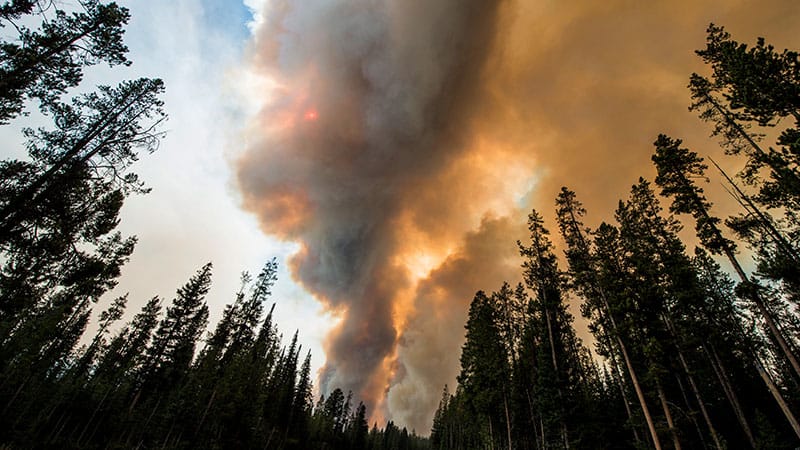
Wildfire Smoke Linked to Increase in ED Visits for Migraine
Full Article
Original Source
Read the full article at Medscape →KhanList aggregates and links to publicly available news content. We do not host full articles from third-party sources. Always verify important information with original sources.