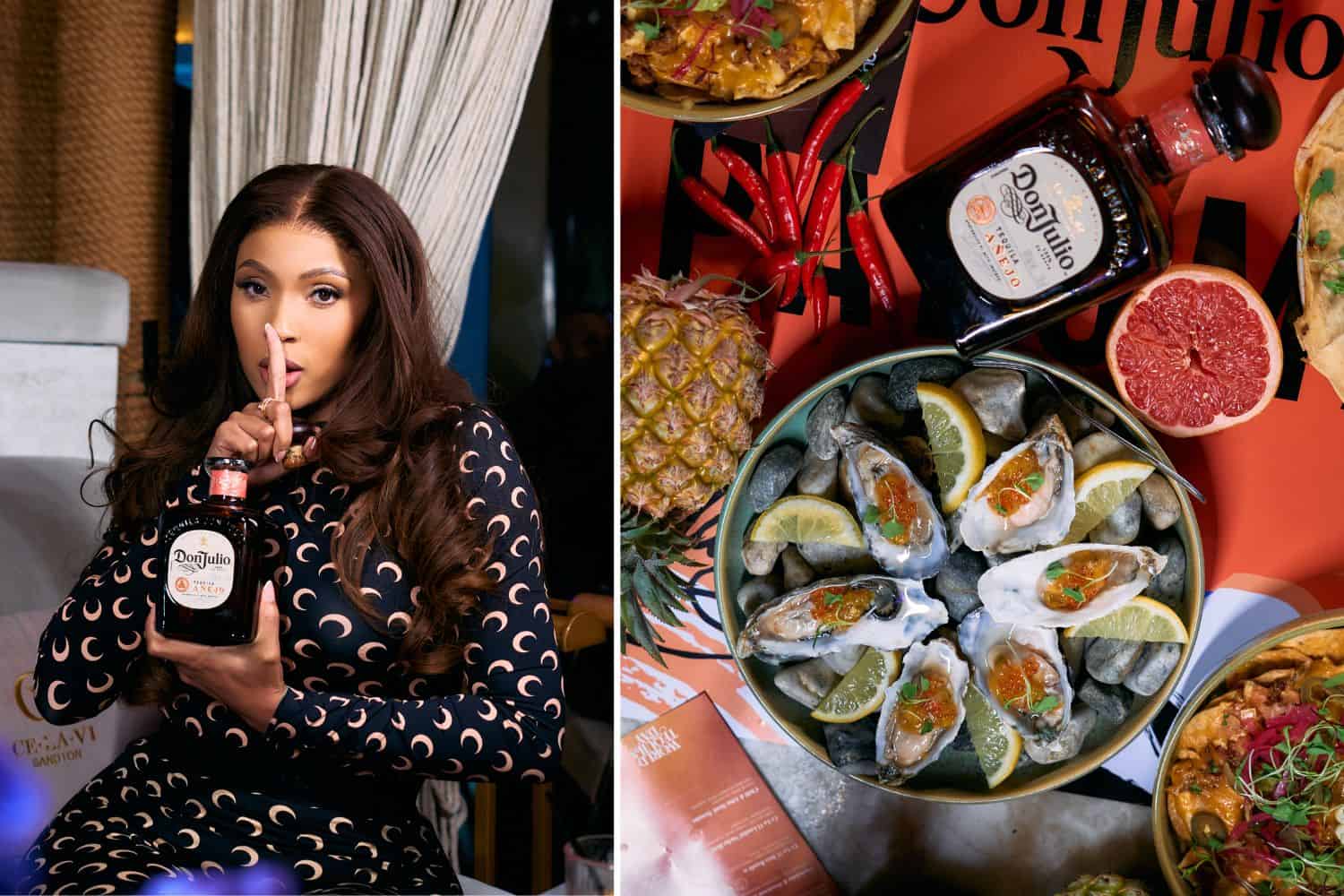
Young South Africans are turning premium tequila into the country's hottest luxury lifestyle trend. Go to any lounge, bar or club, and you’ll notice the trend in South Africa has moved from champagne to tequila. A bottle of premium tequila has become more than just a drink in South Africa. It is now a statement of style, success and celebration. Celebrities, influencers and socialites are helping turn the Mexican spirit into one of the country’s most sought-after luxury indulgences. From VIP nightclub tables to exclusive birthday celebrations, premium tequila has become the drink of choice for South Africa’s entertainment crowd. The trend has become so noticeable that radio personalities, musicians and reality TV stars are frequently seen celebrating with luxury bottles. One of the most talked-about moments recently was when a popular South African radio host received a bottle of Don Julio 1942 as a lavish gift. This event highlighted just how much prestige has become attached to premium tequila in local celebrity circles. Younger generation is leading the tequila boom Picture: Supplied Industry research shows that a younger audience is fuelling South Africa’s tequila market. Around 75% of tequila drinkers are between the ages of 18 and 34. In addition, women make up 67% of consumers. This signals a dramatic shift in who is driving the country’s luxury drinks market. This changing demographic has helped transform tequila from a once occasional party drink into a fashionable lifestyle choice enjoyed at restaurants, rooftop bars and exclusive events. There is also a selection from leading brands. Goodbye party shots, hello luxury sipping Picture: Supplied The days of knocking back tequila with salt and lemon are quickly disappearing. Today’s consumers are increasingly choosing premium 100% Blue Weber Agave tequilas, which are made in Mexico. They prefer to sip them slowly and appreciate their complex flavours, much like fine whisky or cognac. The growing appetite for luxury has encouraged international brands to invest in South Africa. Premium labels now recognise the country as one of Africa’s fastest-growing tequila markets. Cocktails are driving the trend Picture: Supplied South Africa’s flourishing cocktail culture has also played a significant role. After years dominated by craft gin, bartenders and mixologists are increasingly creating tequila-based cocktails, including premium margaritas, palomas and refreshing tequila highballs. These drinks have become favourites in Johannesburg, Cape Town and Durban’s trendiest nightlife destinations. This has introduced tequila to a broader audience looking for sophisticated drinking experiences. Consumers want premium brands Even with ongoing economic pressures, many South Africans continue to choose premium tequila brands over cheaper alternatives. Industry data suggests that more than four in 10 tequila drinkers deliberately order super-premium labels when dining out. Most consumers request a specific brand instead of accepting a standard house pour. That growing brand loyalty explains why luxury bottles regularly feature at celebrity events, exclusive launches and influencer celebrations. From Mexico to Mzansi Picture: Supplied The tequila craze has even inspired local innovation. Although authentic tequila can only be produced in designated regions of Mexico, South African producers are crafting premium agave spirits using locally grown plants. Combined with celebrity influence, luxury gifting and a new generation of adventurous drinkers, tequila has established itself as South Africa’s newest premium spirit. This proves that the country’s taste for luxury continues to evolve well beyond traditional whisky and gin. Content supplied by our select Partners and paid for content ad advertisement.
Why young South Africans pick tequila as their drink of choice
Full Article
Original Source
Read the full article at Citizen →KhanList aggregates and links to publicly available news content. We do not host full articles from third-party sources. Always verify important information with original sources.