
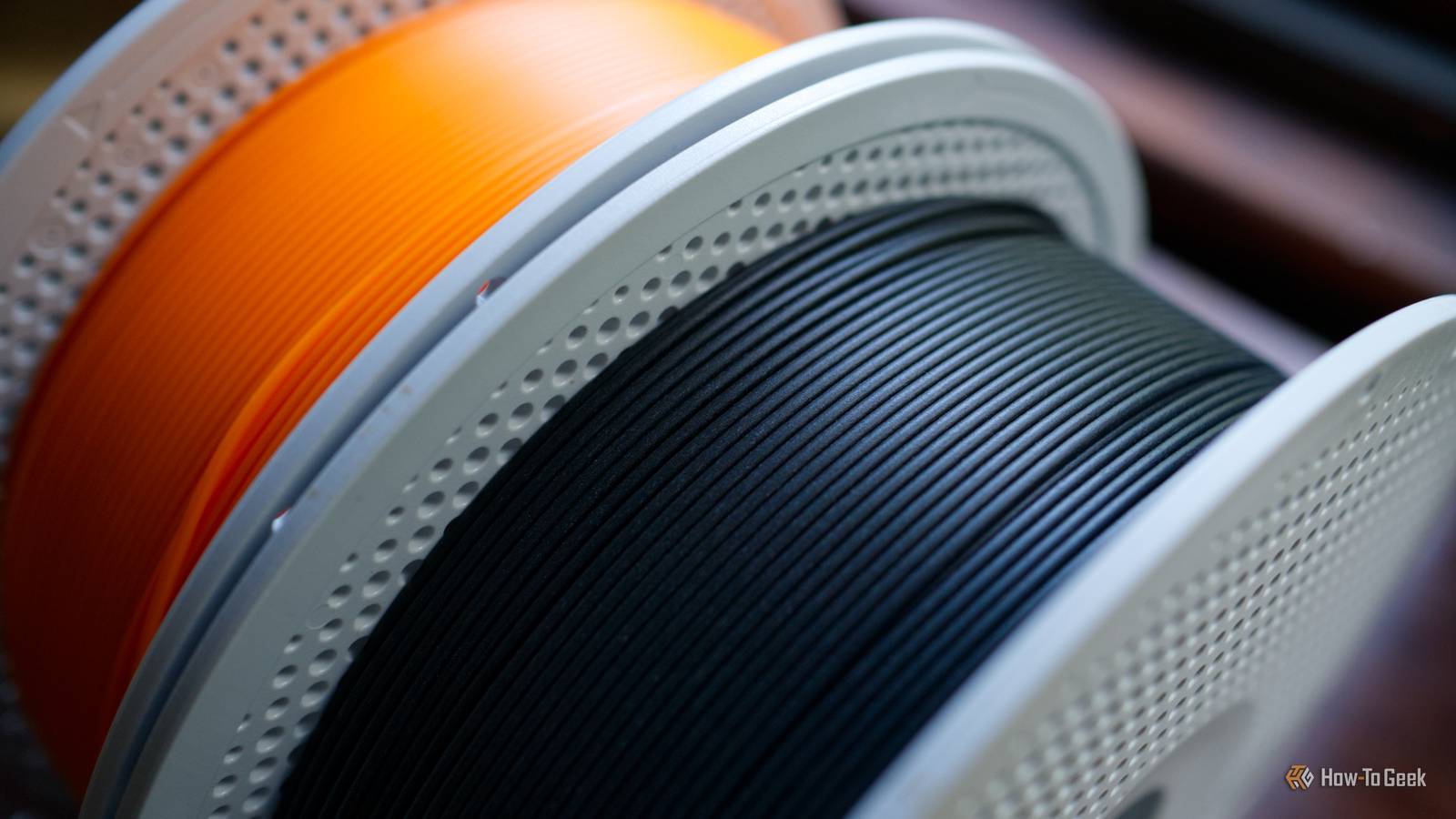
Published Nov 15, 2026, 3:30 PM EST Tim has been covering technology for almost 20 years, in that time spanning a broad range of topics from security to product reviews. He is especially focused on the Apple ecosystem, productivity, and consumer advice. Over the years Tim has written thousands of articles, reviews, and round-ups in addition to producing video content and original photography. A graduate of journalism, he found his footing as a freelancer with a laptop and loves how he is able to work from practically anywhere. Now a Senior Editor for iPhone, Mac, and Smart Home at How-To Geek, Tim still loves to write. He can also be found crafting round-ups and productivity posts for the Zapier blog. Earlier in his career Tim spent nearly a decade as a writer and eventually Apple section editor for MakeUseOf. Tim currently lives in Brisbane, Australia. Outside of work he loves to hike and work out, play video games, and spend quality time with his wonderful partner and two cats Inka and Roger. Polyethylene terephthalate glycol, or PETG for short, is a common material for 3D printing that has a range of benefits (and a few drawbacks) compared to the more common PLA (polylactic acid). Despite PLA’s dominance, every 3D printer owner should keep a roll or two of PETG in their back pocket. PETG can do more than PLA Though it might not look as good PETG has a few big benefits over PLA, the first of which comes down to water resistance. PLA will degrade fairly rapidly when exposed to moisture, like in an outdoor or bathroom setting, but PETG is far more resilient. In fact, it’s used in plastic bottles to hold water and other liquids for this reason. It can also better withstand UV radiation from the sun compared with PLA. These two characteristics make PETG a far better choice for objects designed to live or predominantly be used outside. PETG also happens to be far more resistant to higher temperatures. PLA has a glass transition temperature—the temperature at which the material begins to warp—of around 140ºF (60ºC) or lower. This means that in an environment like a hot car or anywhere exposed to constant direct sunlight, an object made from PLA will begin to deform long before it reaches its melting point. PETG won’t start to deform until around 175ºF (80ºC), making it the better choice for prints that need to withstand higher temperatures without resorting to pricey engineering-grade filaments like ABS or ASA. PETG also happens to be a less rigid material, so prints are more flexible and prone to bending, whereas PLA prints tend to be more brittle (and therefore more likely to shatter). That said, the vast range of “PLA+” and “PLA Tough” style filaments on the market now has closed this gap somewhat. PETG isn’t anywhere near as prone to “PLA creep,” which warps objects that are exposed to force over time. The filament clearly has the edge when it comes to prints that need to withstand moisture, UV, heat, and constant force. Print a cup holder for your car from PLA, and it might melt the first time you park in the sun, whereas PETG will last much longer. Getting the most out of PETG Adjust your slicer (and your expectations) Credit: Patrick Campanale / How-To GeekCredit: Tim Brookes / How-To Geek You can substitute PLA with PETG in your prints, as long as you make a few adjustments in your slicer. For most, this will require nothing more than selecting a different filament profile. PETG requires higher temperatures in the nozzle (240ºC or higher) and print bed (70ºC or higher) compared with PLA, and slower printing speeds for some elements. A lot of printers can automatically detect and switch to the correct printing profile since many filament spools now include RFID identifiers. If yours does not, make sure you set it up properly beforehand in your slicer to avoid disappointments (and clogs). Before you print with PETG, consider drying it for best results. PETG tends to be far more hygroscopic than PLA, which means that it absorbs more moisture out of the air. This can lead to print failures, spitting or hissing at the hotend, and severe stringing, which requires more cleanup and maintenance post-print. Remember that you can always dry filament multiple times if it happens to get “wet” again. There are a few other drawbacks to PETG you must contend with. You’re going to have fewer colors and finishes available to you if you choose PETG, and you might find that basic PETG has more of a sheen to it than basic PLA. It’s harder to sand than PLA, which means it might be more difficult to get a clean finish if you like to hide layer lines and paint your prints. Many users report that PLA is the better choice for small detailed parts, like gears and miniatures, compared with PETG. PLA makes more sense for decorative prints for this reason, and is much better suited to an indoor environment or prints that don’t need to last. As with any filament, the brand you choose can make a huge difference to print quality and ease of use. It also happens to be cheap Stop hoarding the PLA rainbow for a second While PETG has some enviable properties, this isn’t necessarily reflected in the price. Bambu Lab’s PETG basic retails for $21.99 per 1KG roll, while the PLA basic currently goes for $23.99. I was a little surprised when I checked this, since PLA has typically been the cheaper of the two. At this price, throwing a roll in your basket the next time you stock up (especially with bulk discounts making filament cheaper) is well worth it. You might not print a lot of items that need to withstand heat, moisture, or UV rays, but when you do, you’ll be glad you have a roll ready to go. 3D printing is all about having options. You can fix your own home or expand your power tools with accessories, so give yourself even more options by expanding your filament collection to include PETG.
Why every 3D printer owner needs a spare roll of PETG
Full Article
Original Source
Read the full article at Howtogeek →KhanList aggregates and links to publicly available news content. We do not host full articles from third-party sources. Always verify important information with original sources.