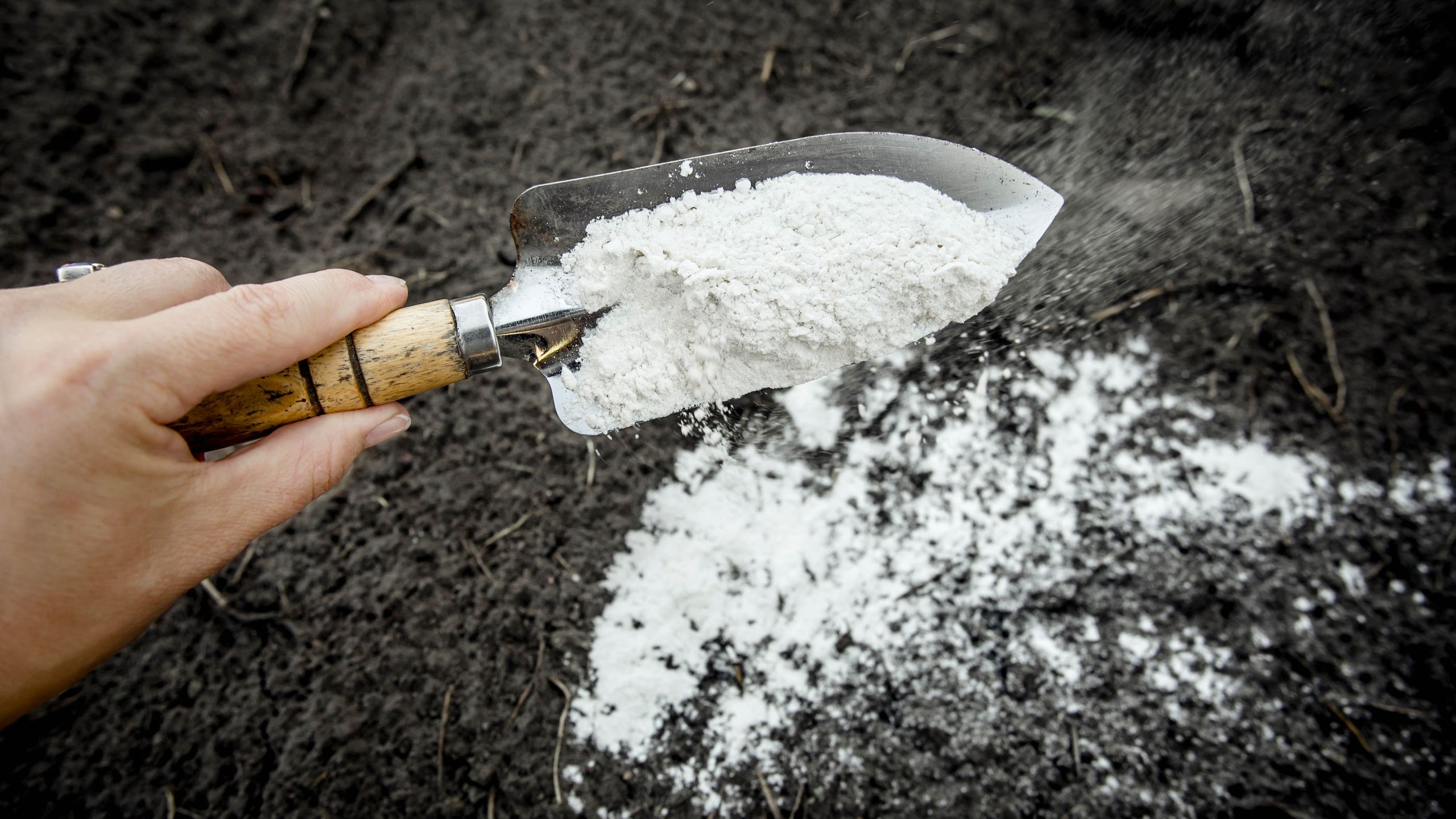
(Image credit: Shutterstock) With temperatures rising, your garden isn't just welcoming fresh blooms — it's also inviting a wave of seasonal pests.From aphids and ants to pesky mosquitoes, such pests can also be destructive to our plants, lawn, or vegetable beds. Since I prefer not to use chemical-laden products, I’m constantly searching for natural alternatives to discourage infestations and use safely around the home.In addition to using white vinegar or diatomaceous earth for ant control, I’ve recently discovered another common pantry staple that many gardeners are using in their yards this summer.It turns out that flour can do much more than just tasty baked treats; it can actually be used as a natural form of pest control.I asked the experts why this is effective, how to use flour safely in your yard — and what not to do that could inadvertently attract even more pests.Why is flour good at repelling pests? Flour in flour bag cascading onto worktop (Image credit: Shutterstock)According to experts, flour can be used as a quick-fix solution to deter destructive pests like aphids, cabbage worms, and beetles.Although it doesn’t give off a smell or chemical that insects hate, it actually works as an effective barrier. Once pests try to feed on it, the flour creates a sticky obstruction in their mouthparts and digestive systems — making it harder for them to continue.Get instant access to breaking news, the hottest reviews, great deals and helpful tips.“Flour isn't a repellent in the way people usually mean that word,” states Mark Abraham from Duguza Pest Control.Similar to food-grade diatomaceous earth, the powdery texture of flour can affect soft-bodied pests.“What it actually does is act as a mechanical barrier," Abraham says. "When you dust it onto leaves, soft-bodied pests like grasshoppers and caterpillars end up with it clogging their mouthparts or gut while they feed. On a sunny day, the dried flour can pull moisture out of smaller insects too.”And if you’re wondering what type of flour is best, there isn’t any evidence that specialty flours give you better results (except for aphids). Essentially, the trick here is how you apply it in the garden — and using it the right way.How to use flour in your yard A person spraying aphids on a rose bush (Image credit: Future / Camilla Sharman)So what is the best way to use flour in your yard (without making an unsightly mess). One method is to lightly ‘dust’ the flour on the underside of leaves.“Dust it on thin and even, straight onto the leaves that are getting hit,” adds Abraham.“Early morning tends to work best, since a bit of dew helps the flour cling without turning gluey. After rain, you'll want to reapply, and don't let it sit for more than a day or two before rinsing it off.”If you have an aphid infestation on your hands, experts suggest making up a spray solution ot tackle plants.“Mix two cups of white flour with five liters of water and then put it in a spray bottle, advises Chrissie Handley, lawn care specialist at Online Turf.“The mixture can then be used to spray the underside of leaves of plants affected by aphids; it dries and crusts on the bottom of the leaf, trapping the aphids."General-purpose white wheat flour is usually the better choice for tackling aphids, as the high amount of starch makes a better, stickier crust to trap the aphids with.”In addition, flour can also be spread on any ant trails in your garden or home, disrupting their scent trails.“You may even want to mix some chilli powder into it; if they try to walk through the flour, the chilli will stay on their bodies and deter them.”And if you want to know exactly why pests hate this spice, check why gardeners are urged to sprinkle chilli powder in the yard this summer.One thing to bear in mindAlthough this quick-fix pest repellent is handy, be mindful not to over-use it. This is because frequent use risks inviting rodents like mice into your garden, so always ensure you are using it with caution.Ultimately, if you encounter a significant infestation of insects or rodents, the most effective course of action is to consult with a certified pest control professional to safeguard your yard over the long term."While it (flour) may initially be an effective solution for a bit, oftentimes the critters get used to it eventually and continue to enter your garden anyway,” advises Jason Burkhart, Managing Director at Critter Control.“Additionally, flour may actually attract other critters, like mice, who tend to enjoy eating flour, to your garden, which further exacerbates your critter issue.”So bear this in mind before you start sprinkling flour all over your yard – and potentially cause another pest issue. Follow Tom's Guide on Google News and add us as a preferred source to get our up-to-date news, analysis, and reviews in your feeds. Alternatively, you can read our content on the Tom's Guide app available now for iOS and Android. Subscribe to Tom's Guide on YouTube and follow us on TikTok. Finally, you can visit our dedicated Tom's Guide Savings Squad hub for expert help on getting the best products for less. More from Tom's GuideHow do I know what kind of ants I have in my home and why it matters? I ask the pest expertsPest experts warn you should never squash ants in your home — here’s why5 steps to stop carpenter ants before they infest your home As the Homes Content Editor, Cynthia Lawrence covers all things homes, interior decorating, and garden-related. She has a wealth of editorial experience testing the latest, ‘must-have’ home appliances, writing buying guides and the handy ‘how to’ features. Her work has been published in various titles including, T3, Top Ten Reviews, Ideal Home, Real Homes, Livingetc. and House Beautiful, amongst many. With a rather unhealthy obsession for all things homes and interiors, she also has an interior design blog for style inspiration and savvy storage solutions (get rid of that clutter!). When she’s not testing cool products, she’ll be searching online for more decor ideas to spruce up her family home or looking for a great bargain!
Why are gardeners sprinkling flour in their yards this summer? It’s not as strange as it sounds
Full Article
Original Source
Read the full article at Tomsguide →KhanList aggregates and links to publicly available news content. We do not host full articles from third-party sources. Always verify important information with original sources.