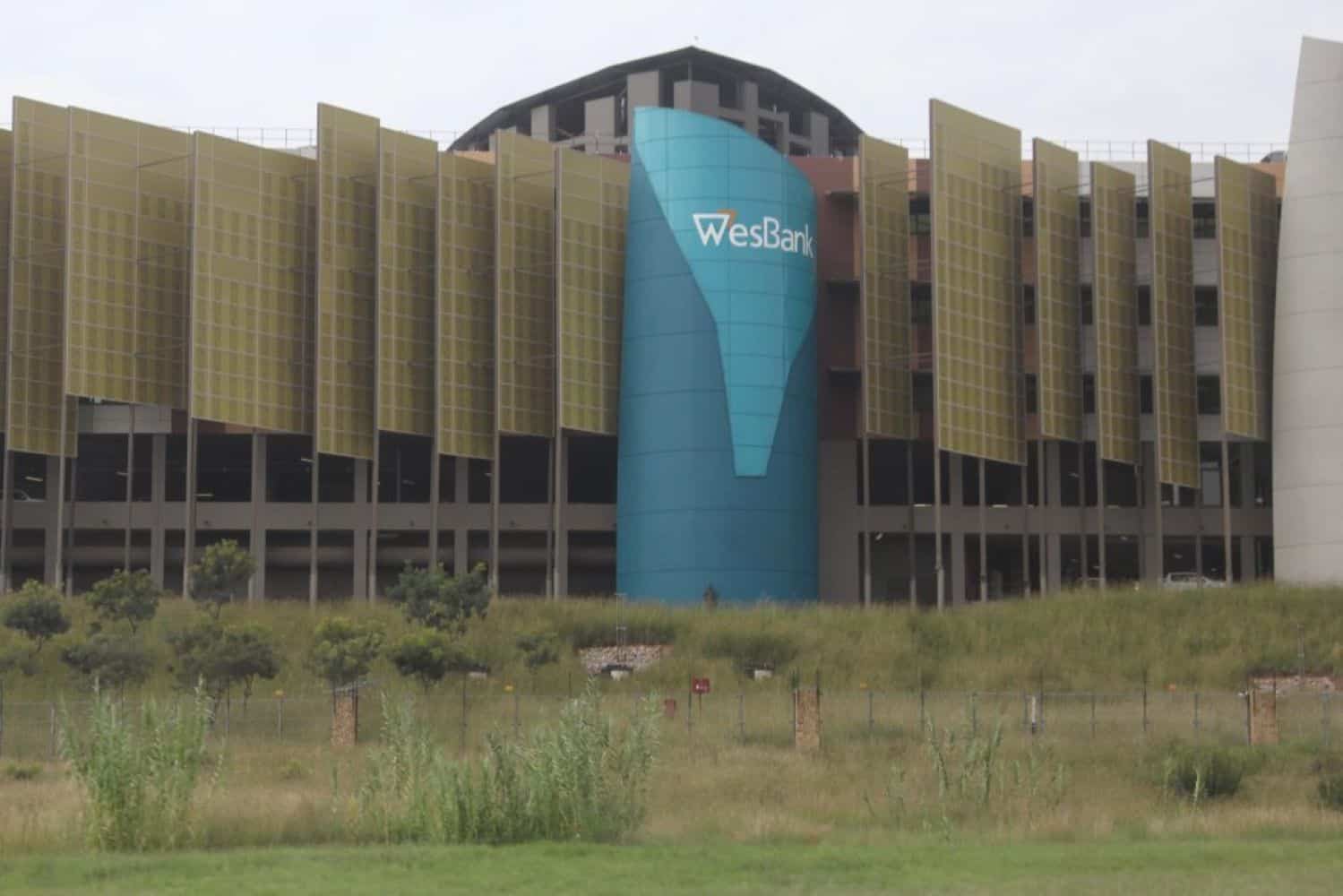
The purchaser of a Ford Ranger made three payments, then absconded with the vehicle. Wesbank tried to claim from the dealer. WesBank has failed in its bid to recover R1.36 million from a motor dealer after a customer made three payments on a new Ford Ranger before disappearing with the vehicle. The bank argued that Your Car Guy, a Gqeberha-based car dealer, had breached several conditions of its dealer agreement. The Eastern Cape High Court however found that although breaches had occurred, WesBank’s loss was caused by the customer’s fraud and not by the dealer’s contractual failures. The buyer, identified in the judgment as Mr Rocha, purchased the Ford Ranger in June 2023 after being approved for finance by the bank. He made three payments totalling nearly R81 000 on the instalment sale and then disappeared with the vehicle, making no further payments. Rather than pursuing Rocha for the outstanding amount, WesBank sued Your Car Guy and two sureties for R1.36 million. This was essentially the amount the bank had paid the dealer for the vehicle. WesBank sought repayment of the money without having to return the vehicle, which it said it had been unable to recover. Your Car Guy, a well-known family-owned business in Gqeberha, denied liability. Judge Murray Lowe of the Eastern Cape High Court dismissed WesBank’s claims and ordered it to pay the dealer’s legal costs. Arguments WesBank argued that Your Car Guy had breached the Master Sale and Representation Agreement (MSA), which governs vehicle transactions between the bank and the dealership, as well as the accompanying Dealer Approval Letter. The court found that Your Car Guy had breached the agreements in several respects. At the relevant time, the vehicle was not part of its dealer stock, had not been paid for in full and was not owned by the dealership. Your Car Guy had also failed to disclose all the relevant circumstances surrounding the vehicle. The court found that none of these irregularities caused Rocha to disappear with the Ford Ranger. The loss resulted from Rocha’s fraudulent scheme and could not be attributed to the dealership’s contractual breaches. It was WesBank that assessed Rocha’s creditworthiness and ultimately approved the finance. Vindicated “This case was never just about one vehicle,” said Ray Neethling, owner of Your Car Guy, following the judgment. “It was about protecting our reputation, our staff, our customers and our future. “We refused to accept responsibility for the criminal actions of another person, and we remained confident that the evidence would ultimately prevail.” The dealership argued that once WesBank entered into the instalment-sale agreement with Rocha, it assumed the risk that the customer might default. Its appropriate remedy was to pursue Rocha for payment or recovery of the vehicle. In search of Rocha The evidence concerning WesBank’s efforts to find Rocha and the vehicle was limited. One of its witnesses said the collections department had attempted to contact him but could provide no further details, and no one from the collections department testified. WesBank’s fraud investigator said attempts to find Rocha using the residential and employment information he had provided were unsuccessful. Rocha had initially been pre-approved for credit, after which supporting documents were analysed before final approval was granted. WesBank later discovered that he did not live at the address he had supplied and did not work for the employer identified in his application. It was only after Rocha defaulted that WesBank discovered that the vehicle had originated from a third party that was not an approved WesBank dealer and that it was not part of Your Car Guy’s dealer stock when the transaction was concluded. Claim amount The court also identified shortcomings in the amount claimed. WesBank had not deducted Rocha’s three payments from its R1.36 million claim, while the calculation would also have required an adjustment for its interest component. Judge Lowe said that even if WesBank had succeeded on the primary issues, it appeared that the bank had not adequately proved the amount of its claim. Another difficulty was that the individual sale agreement on which part of WesBank’s case depended was not attached to its particulars of claim, included in the trial bundle or introduced into evidence. This article was republished from Moneyweb. Read the original here.
WesBank defeated in court by family-owned dealership
Full Article
Original Source
Read the full article at Citizen →KhanList aggregates and links to publicly available news content. We do not host full articles from third-party sources. Always verify important information with original sources.