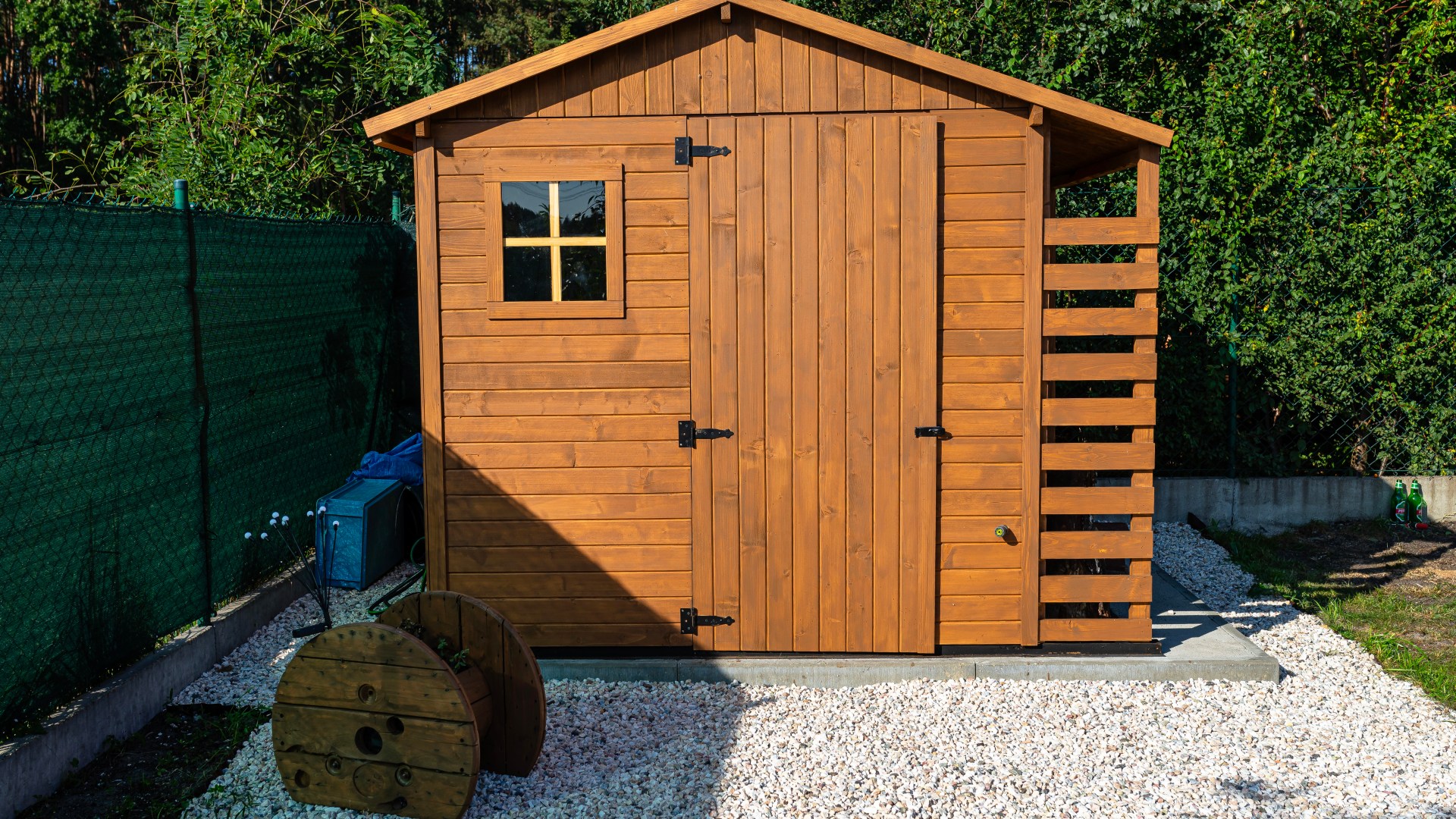
HOMEOWNERS are facing rising losses after having their garden sheds broken into. The average insurance claim for theft from a shed or outbuilding reached an eye-watering £4,567 last year, according to Aviva. That’s compared with £4,205 the previous year – a 9% rise. It means homeowners without insurance that covers shed break-ins could face bills worth thousands of pounds. Sign up for the Money newsletter Thank you! Aviva said more than one in four shed and outbuilding owners had experienced a break-in or attempted break-in. The insurance giant said the rise in claims may be linked to families storing more high-value items outside the home. These include garden tools and equipment such as lawnmowers, outdoor furniture, power tools, bikes, gym equipment and camping gear. Hannah Davidson, senior underwriting manager of home and lifestyle at Aviva, said: “Sheds can be seen as an extension of the home, and when you add up bikes, tools and equipment collected over time, the value of what’s stored inside can quickly mount up – exceeding £4,500, according to our data.” Although homeowners are storing more high-value items outside, many are still not using basic security measures. Just over half of sheds and outbuildings don’t have basic locks. Most read in Money And only 14% of households use additional security measures like burglar alarms, while 22% have cameras outside. Some 20% of homeowners use motion-activated lighting. Aviva said this means 4.4million sheds are left vulnerable to theft. Ms Davidson said: “It’s concerning that over half of sheds or outbuildings don’t have basic locks, particularly when the items they’re storing are likely to be easily portable and attractive to opportunist thieves. “In some cases, stolen tools can even be used to break into the main property, so it’s also worth thinking carefully about what you store outside the home.” She said it’s also important to have the right level of insurance cover in place, particularly for higher-value items like bikes. Cover for theft might need evidence of forced entry and limits are likely to apply, so make sure you check your policy documents carefully. How to protect your shed or outbuilding AVIVA has shared its top tips to keep your belongings safe from theft... Always lock sheds and outbuildingsEven when you’re at home, it’s important to keep sheds and garages locked. Replace any rusty or weak padlocks, keep keys out of sight, and consider covering windows so valuable items can’t easily be seen from outside. Avoid storing high-value items where possibleSheds are often designed for basic garden storage and can be more vulnerable to break-ins than the main home, particularly if made from lightweight materials. If you do store expensive items such as bikes, tools or golf clubs, make sure they are securely stored and sheds are firmly anchored to their base. Improve security around outbuildingsMotion-activated security lights, alarms or CCTV can help deter opportunistic thieves. For bikes, consider installing a ground or wall anchor inside so they can be securely chained in place. Keep valuable belongings out of sightTry not to leave expensive equipment visible through windows or open doors. Marking tools and bikes with forensic marking kits or using other property marking methods can also help deter theft and improve the chances of recovering stolen items. Check policy limits and requirementsInsurance policies may include limits or conditions for items stored in sheds and outbuildings, and cover may depend on there being signs of forcible entry. If unsure, it’s worth reading your policy documents or contacting your insurer directly. Comment now
Warning over surge in shed break-in costs as homeowners hit with £4.5k bills – is your garden safe?
Full Article
Original Source
Read the full article at Thesun →KhanList aggregates and links to publicly available news content. We do not host full articles from third-party sources. Always verify important information with original sources.