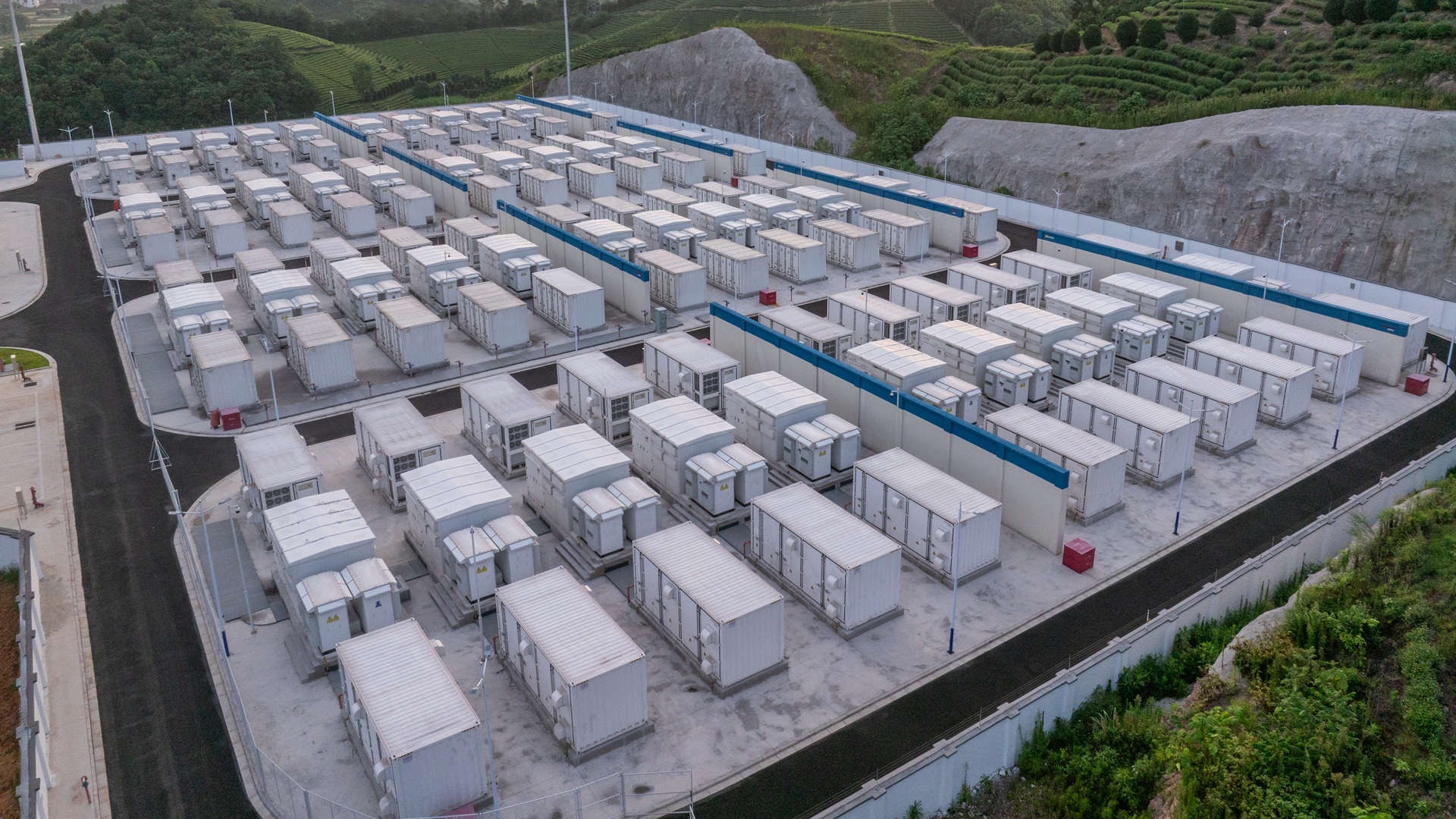
ESS Tech, a non-lithium battery storage company, has signed a preliminary agreement with renewable energy developer Juniper Energy to potentially deploy at least 500 MWh of sodium-ion battery storage systems by 2032, in what could become a major expansion of non-lithium storage in the US. The Letter of Intent (LOI) outlines a long-term framework under which ESS and Juniper could work together on multiple energy storage projects. The first planned project would be a 10 MW / 80 MWh system in California, targeted to begin commercial operations in 2027. The project is expected to use ESS’s Bridge modular sodium-ion AC solution along with the company’s Energy Management System (EMS). Unlike lithium-ion batteries, sodium-ion systems rely on sodium and other more abundant materials, potentially reducing exposure to supply chain constraints associated with critical battery minerals. The broader agreement could see Juniper procure 500 MWh or more of ESS energy storage systems by 2032, subject to the successful development and execution of future projects. The companies say the initial California project will help validate the Bridge platform for wider deployment. Sodium batteries scale up Sodium-ion batteries are attracting attention as the energy industry looks for alternatives to lithium-ion technology. Lithium-ion batteries dominate large-scale energy storage today, but their supply chains depend on materials that can face price volatility, geopolitical risks and restrictions linked to foreign entities of concern. ESS is positioning its sodium-ion systems as a domestically sourced alternative that can support utility-scale storage and other applications where reliable electricity is increasingly important. “This agreement with Juniper Energy validates ESS’s strategy to expand our technology portfolio and bring sodium-ion energy storage to market,” said Drew Buckley, CEO of ESS. “The planned deployment and long-term procurement framework reflect the accelerating customer demand we are seeing for safer, domestically sourced alternatives to conventional lithium-ion batteries.” The company sees potential demand across several markets, including utility-scale energy storage, data centers, commercial and industrial facilities, and critical infrastructure. The move comes as electricity demand continues to grow and power grids need more storage capacity to balance supply and demand. Large battery systems can store electricity when it is available and release it when demand rises, helping grids manage renewable generation and reduce the impact of power fluctuations. A test for new chemistry For Juniper, the first California project will be an opportunity to put ESS’s newer storage platform into a commercial setting before potentially expanding deployments. “Juniper Energy is focused on partnering with companies that can successfully bring innovative energy technologies from development into commercial operation,” said Keith McDaniels, Managing Partner of Juniper Energy. “ESS has demonstrated its ability to integrate, deploy, and scale advanced energy storage solutions, giving us confidence in its ability to execute on next-generation sodium-ion technology. We look forward to working together to validate the ESS Bridge energy storage platform and support its broader adoption across future energy storage projects.” The planned 10 MW / 80 MWh system would have an eight-hour duration, making it suited to storing energy for longer periods than many conventional battery installations designed primarily for short-duration applications. However, the 500 MWh figure remains a future procurement intention rather than a firm order. The expansion will depend on project development, successful execution, and future agreements between the two companies. If the planned projects move forward, the partnership could give ESS a significant route into the growing US energy storage market while giving Juniper access to a sodium-ion technology platform designed to reduce dependence on conventional lithium-ion supply chains. The first California project is targeted for commercial operation in 2027. Recommended ArticlesGet the latest in engineering, tech, space & science - delivered daily to your inbox.With over a decade-long career in journalism, Neetika Walter has worked with The Economic Times, ANI, and Hindustan Times, covering politics, business, technology, and the clean energy sector. Passionate about contemporary culture, books, poetry, and storytelling, she brings depth and insight to her writing. When she isn’t chasing stories, she’s likely lost in a book or enjoying the company of her dogs.
US energy storage gets 500 MWh-plus boost from sodium-ion battery technology
Full Article
Original Source
Read the full article at Interestingengineering →KhanList aggregates and links to publicly available news content. We do not host full articles from third-party sources. Always verify important information with original sources.