The larger hull allows the vessel to carry more interceptor missiles, improved radar systems, additional power generation, and greater endurance during long deployments. These features are intended to improve Japan’s ability to respond to increasingly complex missile threats while supporting multinational operations alongside allies such as the United States.Japan’s new destroyer inevitably draws comparisons with China’s Type 055 Renhai-class guided-missile destroyer. While both are among the largest destroyers in the world, their operational priorities differ.The Chinese Type 055 is designed as a multi-role combat platform capable of air defense, anti-ship warfare, anti-submarine operations, and long-range strike missions. Equipped with a large number of vertical launch cells, it routinely escorts Chinese aircraft carriers and serves as one of the People’s Liberation Army Navy’s premier surface combatants.Japan’s new vessel, on the other hand, places greater emphasis on defending the homeland from missile attacks rather than projecting offensive naval power over long distances. Although it will possess significant combat capabilities, its primary mission remains the protection of Japanese territory and allied forces.Despite Japan’s technological advancements, China continues to maintain a considerable advantage in fleet size and shipbuilding capacity. Over the past decade, Beijing has rapidly expanded its navy by launching modern destroyers, frigates, amphibious assault ships, and aircraft carriers at an unprecedented pace.Chinese shipyards are capable of producing large warships far more quickly than most of their international counterparts, enabling the People’s Liberation Army Navy to steadily increase both its operational strength and global reach.Japan’s investment in a larger AEGIS destroyer reflects a broader shift in its defense policy. The country has increased military spending, expanded cooperation with regional partners, and introduced new capabilities aimed at strengthening deterrence in the Indo-Pacific.The new destroyer is expected to play an important role in protecting sea lanes, supporting allied naval operations, and providing a credible defense against advanced missile threats. While it may not alter the overall balance of naval power in the region, it significantly enhances Japan’s ability to respond to future security challenges.As regional powers continue investing in advanced naval platforms, competition in the Indo-Pacific is likely to intensify. Japan’s latest destroyer demonstrates its commitment to maintaining a technologically advanced navy, while China’s continued fleet expansion highlights the growing importance of maritime power in shaping regional security.The introduction of these next-generation warships is expected to influence strategic planning across the Indo-Pacific for years to come, reinforcing the region’s status as one of the world’s most closely watched theatres of military competition.
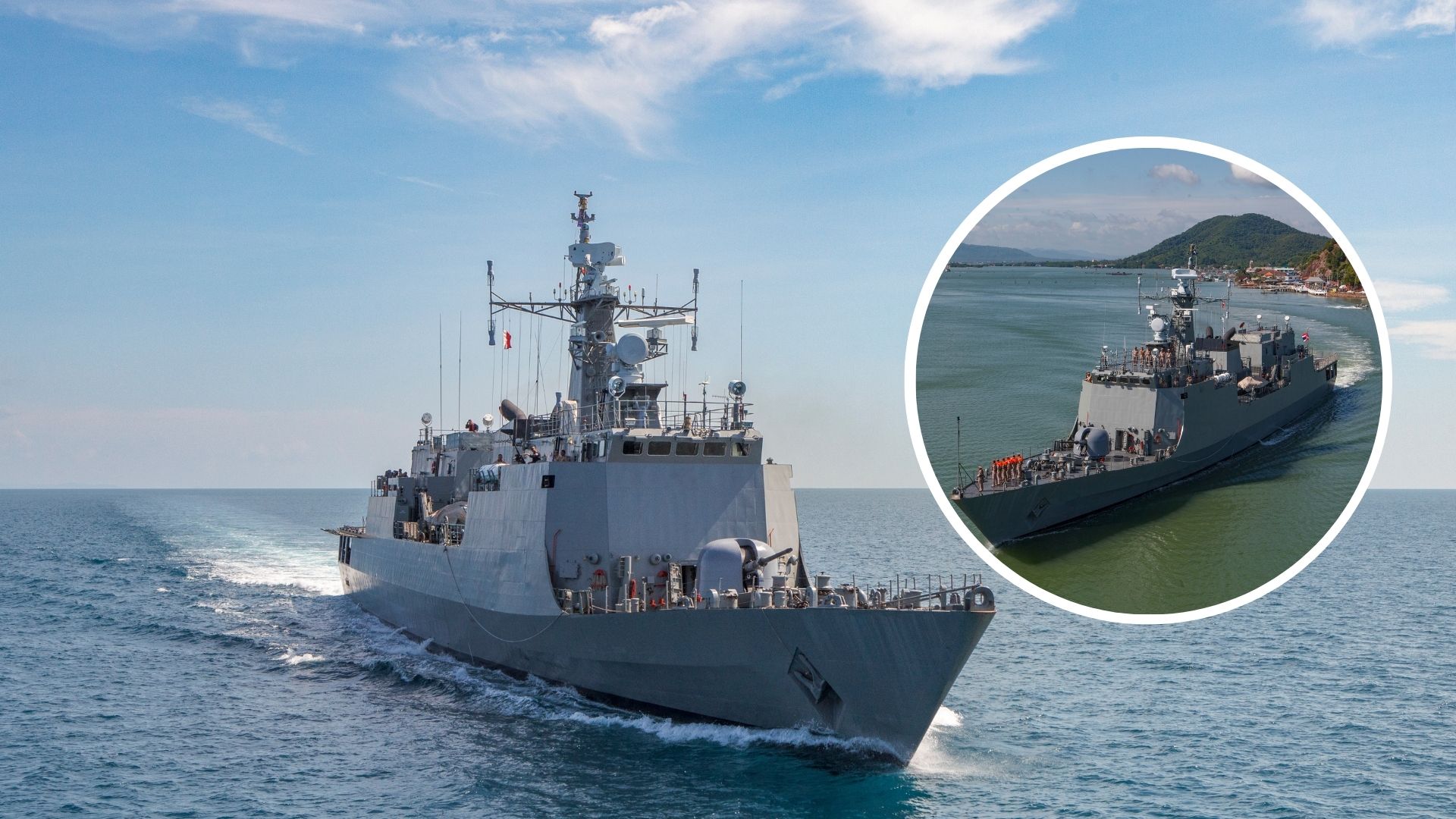
US ally plans to commission ‘world’s largest’ 14,000-ton destroyer to counter China
Full Article
Original Source
Read the full article at Interestingengineering →KhanList aggregates and links to publicly available news content. We do not host full articles from third-party sources. Always verify important information with original sources.