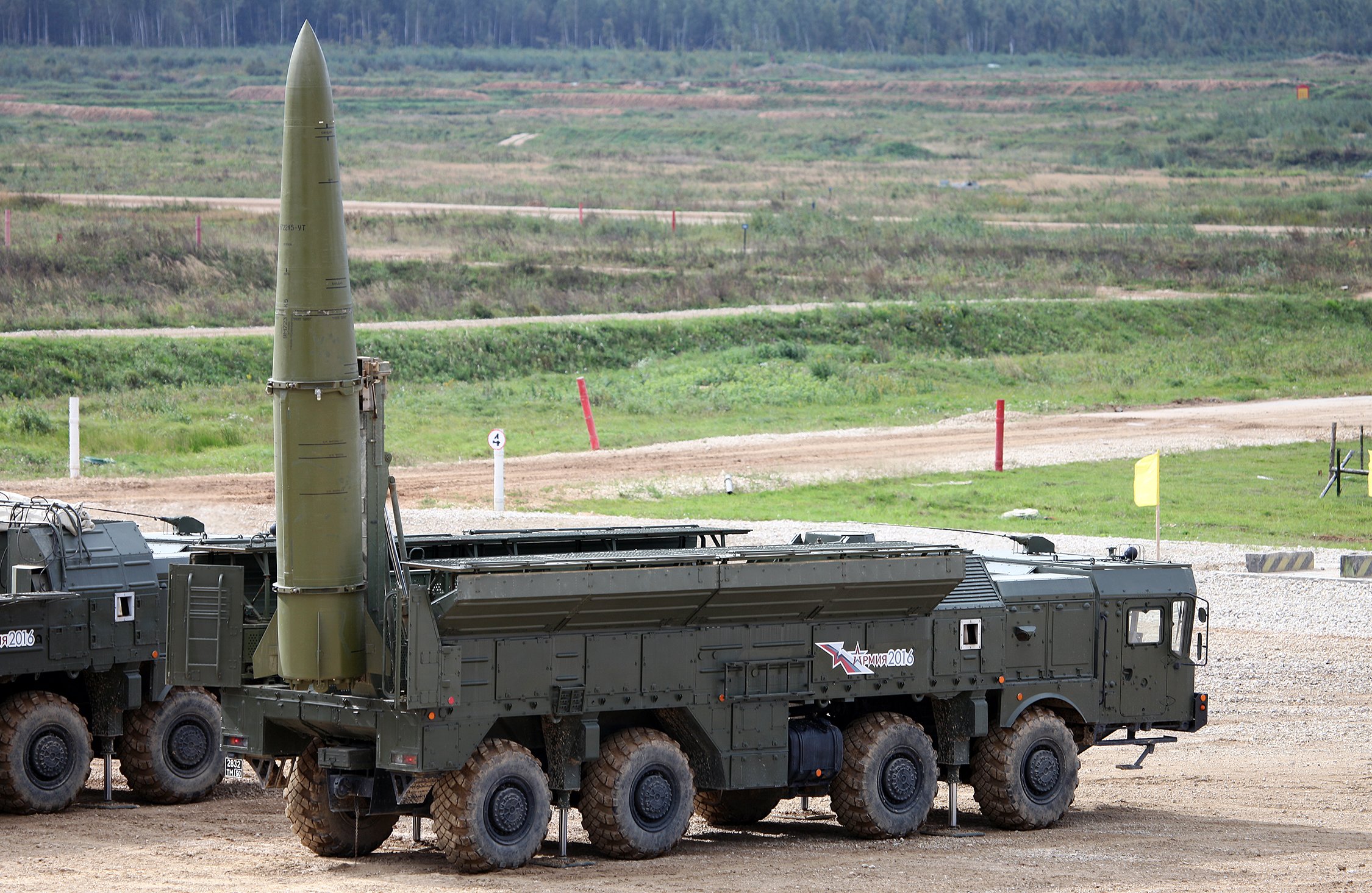
Every day, the Ukraine Battlefield update newsletter offers a clear look at how the war is unfolding on the ground. Subscribe for free here to get the full text delivered to your inbox. Kyiv came under a missile attack overnight, during which Ukrainian air defences failed to shoot down a single ballistic or anti-ship missile The answer may lie in strikes on launchers, which Ukrainians have so far targeted less frequently. Three options could enable their destruction; one is for Elon Musk to allow Starlink to be used in Russia. Maps of the day: Russian infiltrations in Kharkiv region. Chart of the day: Russian advance in July according to Black Bird Group. Videos of the day: Ukrainians captured two sleeping Russians, another attack on Wildberries, a fitting slogan beside a burning warehouse, and a Russian attack on ships near Mykolaiv. Kyiv once again endured a night of horror. During the missile attack, the Russians struck several military, industrial and civilian targets in the capital itself as well as in the neighbouring city of Brovary. NASA’s FIRMS service, which monitors fires around the world, illustrates this clearly. The affected Brovary can be seen on the right: The Russians did not even need many drones for this attack — only 115 were launched. They deployed their most effective weapons against Ukrainian cities: Iskander-M and S-400 ballistic missiles, as well as Zircon anti-ship missiles. The Ukrainian General Staff indirectly confirmed that Ukrainian air defences failed to shoot down any of them. The overnight tally of missiles and drones launched and intercepted speaks for itself: 0/24 Iskander-M/S-400 0/4 Zircon 98/115 Shahed drones. The Russians can therefore currently destroy whatever they choose in Ukraine with ballistic missiles. Ukrainians do not have enough missiles for Patriot systems — the only somewhat reliable weapon against them — and Wednesday’s raid was not an exception but rather the rule. Some estimate that, since the beginning of July, the Russians have fired 150 ballistic missiles at Kyiv and its surroundings, but Ukrainians have managed to shoot down only around seven. “The war of attrition has entered another phase. The enemy is attacking everything indiscriminately: retail warehouses, food depots, logistics centres, businesses and construction-material warehouses,” drone expert and former adviser to defence minister Mykhailo Fedorov, Serhii Flash Beskrestnov, wrote. Footage from the city showed that the Russians had used cluster-munition warheads, causing even greater damage. Kyiv. A Russian missile attack on the city using a cluster munition. Such a strike is designed to kill as many civilians as possible in a metropolis of three million people. It serves no military purpose. pic.twitter.com/zoOwUTrJbT— Денис Казанський (@den_kazansky) August 5, 2026 By midday on Wednesday, at least 17 people had been reported killed and 44 injured. What can be done about this? Until now, the discussion of defence against Iskander missiles has focused mainly on missiles for Patriot air-defence systems. Ukrainians now have very few of them, if any at all, while Western partners are increasingly reluctant to provide them from their own stocks. According to the Financial Times, US president Donald Trump also rejected this request last week. Trump is also highly reluctant to grant Ukrainians a licence to manufacture them themselves. Even if he changed his mind, it would take a long time to start production, and it would not be cheap. However, an alternative way of countering Iskander missiles is increasingly being discussed. If Ukrainians cannot stop the missiles themselves, they must destroy the launchers. “Ukraine needs to be able not only to deflect Russian arrows but also to shoot at the archers,” retired US Navy admiral and now military analyst Mark Montgomery wrote, using the metaphor in his Washington Post column. Various pro-Ukrainian accounts have also written that strikes on launchers are the only sensible alternative that could stop, or at least slow down, Russian ballistic attacks in the short term. “The previous chief of the General Staff (General Syrskyi) did not prioritise destroying launchers and did not provide adequate support to units that destroyed them. Such activity was largely carried out outside the General Staff, through horizontal links. These operations require a strong organisational and technological component,” former adviser Serhii Sternenko wrote. According to Oryx, Ukrainians have so far destroyed four such systems. “The Russians will not stop their attacks unless someone stops or deters them. Yes, I mean strikes on launchers,” US analyst Dara Massicot wrote on X. Ukrainians have a rough idea of where the Russians launch Iskander missiles from. This takes place relatively close to the border — 200 to 250 km away. On Wednesday, for example, they were launched from the Bryansk region, as this map also shows. This video shows a salvo of several missiles launched from the launchers. Кадри запуску російської балістики, 6 ракет одночасно з однієї локації. Досить близько від кордону. Минулий Головком не ставив у пріоритет полювання на пускові установки та не давав відповідного забезпечення підрозділам, які били пускові. Така робота здійснювалася здебільшого у… pic.twitter.com/eE24sZIaul— Serhii Sternenko (@sternenko) August 5, 2026 However, it is difficult to pinpoint their exact location and strike them before they fire and withdraw. As the Ukrainian website RBC Ukraine wrote, Iskander launchers are most of the time kept in large hangars at air bases. According to the website, a Ukrainian long-range reconnaissance drone can detect the deployment of ground-based launchers. If this happens, it can alert the air force, which can send aircraft armed with missiles to destroy them. However, this takes too long. “Before the combat aircraft even take off and reach the target, the Iskander system will already be in position and carry out its attack,” the website wrote. According to military expert Kostiantyn Kryvolap, it takes Iskander systems 40 to 50 minutes to reach the launch site, followed by another 20 minutes before the missiles are fired. Ukrainians therefore usually do not have enough time. Three ways are being discussed that could allow Ukrainians to strike Iskander launchers more effectively. It would help if they had their own ballistic missiles. These are being developed by the Ukrainian company Fire Point, which produces FP-1 and FP-2 drones as well as the FP-5 Flamingo cruise missile. However, FP-7 ballistic missiles with the required range of 250 to 300 km are not yet ready. “There are not that many launch sites. Once they arrive and deploy, our ballistic missiles will strike them. Then we will be able to destroy them effectively. We need to destroy two, three or five systems, and all the others will have to decide whether to leave or stay, because staying would be suicide,” Kryvolap told RBC Ukraine. The second option could be faster, but it would require the approval of Trump and, above all, the world’s richest man, Elon Musk.
Ukraine’s air defence failed to shoot down a single Russian missile overnight, bringing Elon Musk’s Starlink into the spotlight (Ukraine Battlefield update, Day 1,623)
Full Article
Original Source
Read the full article at Euobserver →KhanList aggregates and links to publicly available news content. We do not host full articles from third-party sources. Always verify important information with original sources.