Published Jul 23, 2026, 9:36 PM EDT Michael John Petty is a Senior Author for Collider who spends his days writing, in fellowship with his local church, and enjoying each new day with his wife and daughters. At Collider, he writes features, reviews, recaps, and conducts interviews. In addition to writing about stories, Michael has told a few of his own. His novella, The Beast of Bear-tooth Mountain, was released in 2023. His Western short story, The Devil's Left Hand, received the Spur Award for "Best Western Short Fiction" from the Western Writers of America in 2025. Michael currently resides in North Idaho with his growing family. Whether you consider it an actual neo-Western or just a Western-inspired crime drama, there isn't another show out there like Justified. The FX series was a fabulous take on an Old West-style lawman settled in modern times that followed Timothy Olyphant's U.S. Deputy Marshal Raylan Givens after he's transferred from Miami back to his home state of Kentucky. While Graham Yost developed the series, he did so based on "Fire in the Hole" by novelist Elmore Leonard — and you may be surprised to learn just how close to the original material the pilot lands. That said, it was only after Justified moved beyond that initial tale that it grew into something truly spectacular. 'Justified' Begins by Directly Adapting Elmore Leonard's "Fire in the Hole" Justified begins as a one-to-one adaptation of Leonard's "Fire in the Hole," with the first episode lifting every scene (and many lines of dialogue) straight from the source material. Raylan Givens, Boyd Crowder (Walton Goggins), and Ava Crowder (Joelle Carter) are all instantly recognizable from their page counterparts, as is Chief Deputy Art Mullen (Nick Searcy). From Boyd's killing of Oklahoma skinhead Jared (Ryan O'Nan) to his final shootout with Raylan at Ava's dining room table, it's all there beat-for-beat. The pilot does embellish elements that Leonard could only reference (such as that opening shootout with Tommy Bucks), and de-ages the main characters by about a decade or so to account for its cast — Boyd, who is a Desert Storm vet on the show, was a Vietnam vet originally, for instance. A clear respect for Leonard's original material is certainly one of Justified's initial strengths, and the show set a high standard for how page-to-screen adaptations ought to be. Though the FX drama reinterprets the material quite respectfully, Justified elevates it further with high-quality writing and unparalleled performances that add some flesh to already strong bones. In many respects, it's a rare example of a series that takes such dynamic source material and enhances it by pressing forward. Like all great adaptations, Justified makes Raylan, Boyd, and the rest its own — in fact, in Leonard's tale, Boyd is shot dead by Raylan, a choice that Graham Yost and the writers rightly reversed to ensure Goggins' longtime role in the series. Justified later adapted the author's other Raylan-centric novels in various capacities. Season 1's "Fixer" is based in part on the novel Riding the Rap, while Season 3's "Thick as Mud" pulls directly from the author's final work, Raylan. The entire Season 1 Miami mafia plotline comes from Raylan's first appearance in the 1993 novel Pronto, which had previously been adapted as a lesser-known made-for-TV movie. Later, Leonard's City Primeval (which doesn't actually feature Raylan Givens) was also the basis for the Justified: City Primeval revival series. But Justified only got better the further it strayed from the author's work. 'Justified' Grew Into Its Own Masterpiece Over Six Impressive Seasons While the show began as a literal adaptation of Leonard's text, Justified found its own voice beyond the page. The Western-inspired drama expands quite significantly over the course of its six seasons, with each new overarching plot, character arc, and antagonist only heightening the drama. Olyphant and Goggins deliver standout performances as some of the most visceral and layered characters to be pulled from page to screen in recent years, offering audiences the very best of their respective careers. Due to the limited nature of "Fire in the Hole," the author didn't have the time to sufficiently expand the characters, but what's left unanswered by Leonard is eventually filled in by the series, such as everything involving Winona (Natalie Zea). Although Justified evolves from a direct adaptation up front to an "inspired by" type of show, it eventually comes back around to pay tribute to Leonard himself. The final moments between Boyd and Raylan in the series finale, "The Promise," echo their concluding exchange in the author's original "Fire in the Hole" story. "We dug coal together," Boyd notes, words that resemble Raylan's ending remarks about the outlaw on the page. Justified is a fast-paced and perfect neo-Western crime drama that pulls no punches, but it thrived because it was willing to build on Leonard’s original masterpiece rather than be completely defined by it.
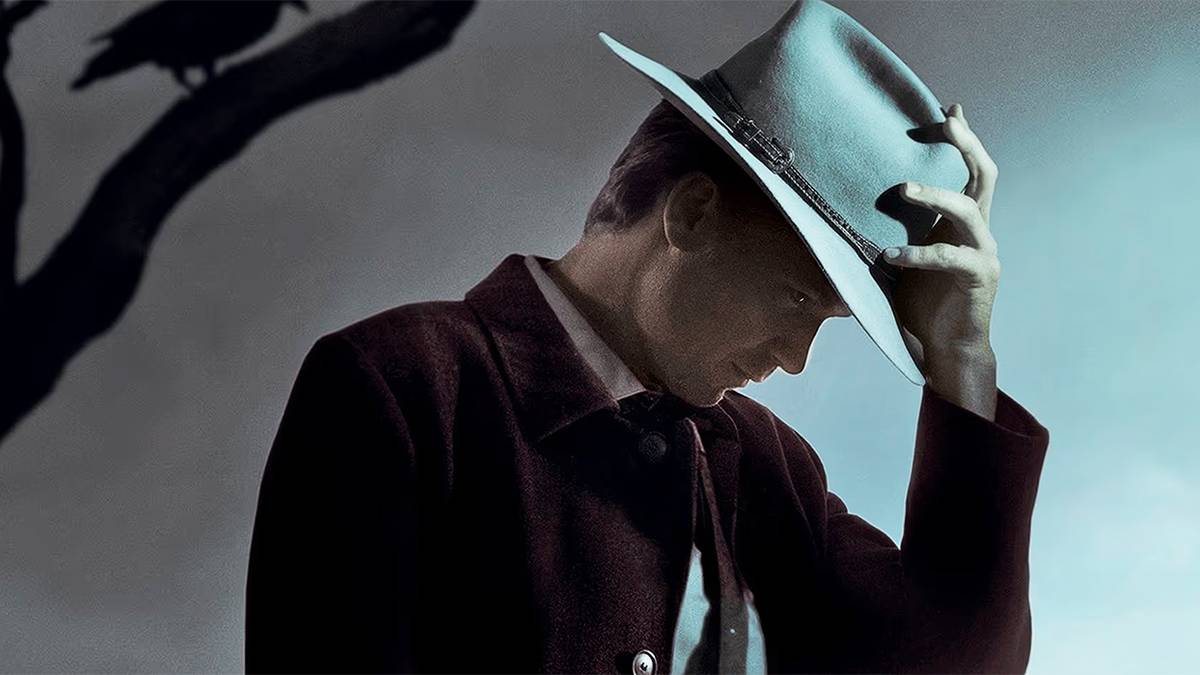
Timothy Olyphant's 6-Season Neo-Western Got Even Better When It Moved Beyond the Book
Full Article
Original Source
Read the full article at Collider →KhanList aggregates and links to publicly available news content. We do not host full articles from third-party sources. Always verify important information with original sources.