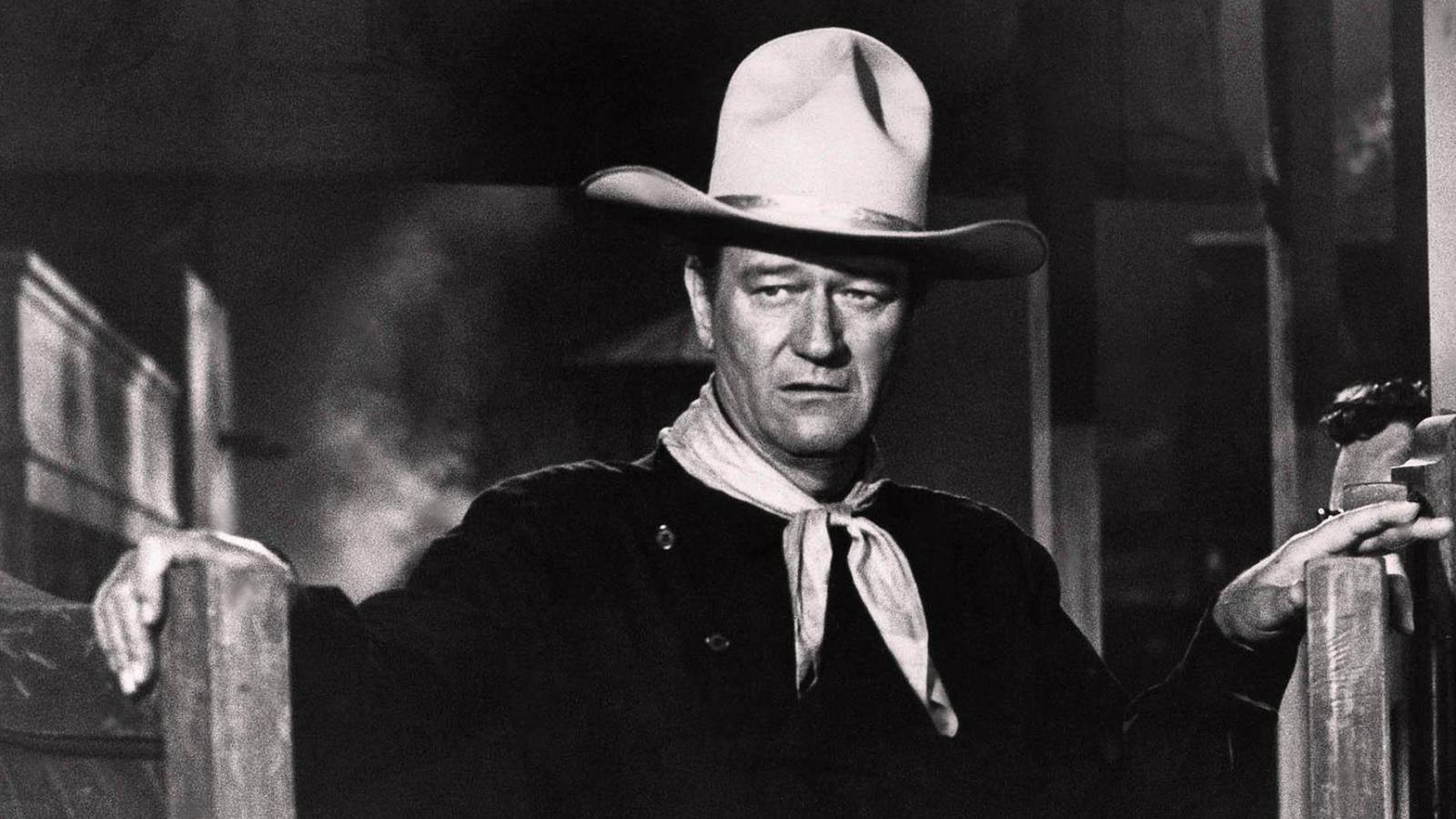
Published Jul 26, 2026, 4:11 PM EDT Michael John Petty is a Senior Author for Collider who spends his days writing, in fellowship with his local church, and enjoying each new day with his wife and daughters. At Collider, he writes features, reviews, recaps, and conducts interviews. In addition to writing about stories, Michael has told a few of his own. His novella, The Beast of Bear-tooth Mountain, was released in 2023. His Western short story, The Devil's Left Hand, received the Spur Award for "Best Western Short Fiction" from the Western Writers of America in 2025. Michael currently resides in North Idaho with his growing family. If you're in the mood for a classic piece of the Old West to chew on this week, look no further than the very first collaboration between Hollywood heavies John Wayne and James Stewart: The Man Who Shot Liberty Valance. Now streaming free on Tubi, the masterful black-and-white Western is another entry in director John Ford's impressive style of horse opera that reflects on the decline of the genre at the time. It's the type of Western — the type of film, period — that Hollywood doesn't make anymore, and it's a well-crafted piece of cinematic perfection that deserves to be revisited over 60 years later. 'The Man Who Shot Liberty Valance' Is Now Free on Tubi Image via Paramount Pictures In the early '60s, classic Westerns continued their domination of Hollywood. The genre was thriving on television with programs like Gunsmoke and Bonanza, and its big screen success continued well into the new decade. But that was about to change. It wouldn't be long before Western audiences would be drawn instead to Italian-made Spaghetti Westerns like Clint Eastwood's A Fistful of Dollars and, eventually, revisionist Westerns from "New Hollywood" filmmakers, such as Butch Cassidy and the Sundance Kid. The Western as viewers had known it was about to change, and it's possible that Ford himself saw that decline on the rise. Sticking to his legendary guns, the famed director portrays the historical period here as a dramatic breeding ground for opportunity and mythmaking, as Ransom "Ranse" Stoddard (Stewart) arrives in the frontier town of Shinbone just in time to get in the sights of Liberty Valance (Lee Marvin). While Stewart could have easily carried the film on his own, John Wayne's Tom Doniphon presents a ragged, tough piece of work that serves as the antithesis of Ranse's more progressive views on politics and education. Nonetheless, he comes to Ranse's aid at the behest of doe-eyed Hallie (Vera Miles), who stands between the two leading men as the object of their respective affections. Not only does Ford have plenty to say here about the way the West was civilized — and the men and women who made it so — but he proves once again a mastery over romantic tension and intentional use of star power, with Stewart and Wayne playing to each other's strengths. It may not be The Searchers or Stagecoach, but it's a meditation on the invention of Old West myths that long predates films like Unforgiven. "When the legend becomes fact, print the legend," the film's most famous quote goes, and that's exactly the sort of mythmaking that Ford examines in earnest here. Compared to many of the director's earlier collaborations with Wayne, The Man Who Shot Liberty Valance is known for being a bit more realistic in its thematic material. It's well-rounded and understandable characters are heavily accented by Ford's chosen black-and-white aesthetic, which was an inspired choice for such a tribute to the genre. (Ford had made The Searchers previously in color.) There's a reason this film is considered the closing chapter of the Western's "Golden Age." John Ford's Western Masterpiece Is the Perfect Wayne and Stewart Collaboration While Wayne and Stewart would collaborate on three films together, The Man Who Shot Liberty Valance is undoubtedly their finest shared hour. Both stars receive top billing, with Stewart's name being higher on the posters while Wayne's comes first in the opening credits, and each plays to their on-screen strengths. Wayne's Doniphon is another Duke-sized cattleman who is ready to do whatever it takes to see the job done. He's a man of strength, especially in character, and does the heroic thing even when he would benefit from stepping aside. Stewart's Ranse is, on the other hand, an idealistic politician at heart, hoping to use words, logic, reason, and education to tame the wildness out of frontier living. In some sense, it works, but he wouldn't ever have accomplished his goal without his romantic adversary. The same year, the pair would also both appear in How the West Was One, with Stewart playing a larger role in the narrative while Wayne's screentime is quite limited by comparison — though it was his highest-grossing picture. Sadly, the two never interact in the film, though The Man Who Shot Liberty Valance more than makes up for it. The pair would reunite for a final film collaboration over a decade later for the Duke's final feature film, The Shootist, where Stewart played a supporting role as Wayne's doctor. But if you're looking to see these stars in their prime and have never had the pleasure, The Man Who Shot Liberty Valance is calling your name. It's truly one of the greatest Westerns of all time. The Man Who Shot Liberty Valance is available for streaming on Tubi.
This '60s Western Masterpiece Is Perfect from Start to Finish
Full Article
Original Source
Read the full article at Collider →KhanList aggregates and links to publicly available news content. We do not host full articles from third-party sources. Always verify important information with original sources.