
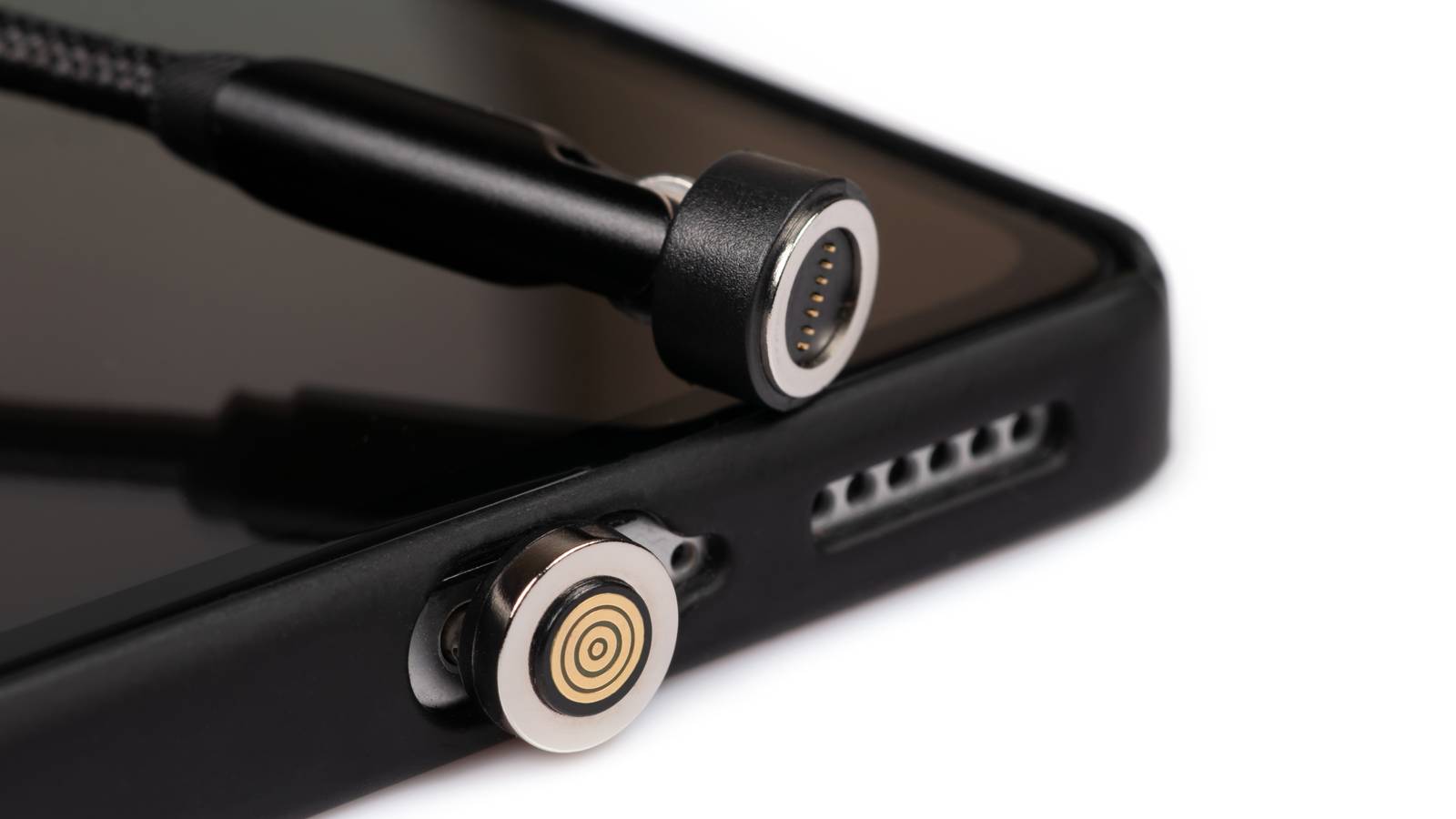
Published Oct 30, 2026, 3:00 PM EDT Sydney Butler is a technology writer with over 20 years of experience as a freelance PC technician and system builder and over a decade as a professional writer. He's worked for more than a decade in user education. On How-To Geek, he writes commerce content, guides, opinions, and specializes in editing hardware and cutting edge technology articles. Sydney started working as a freelance computer technician around the age of 13, before which he was in charge of running the computer center for his school. (He also ran LAN gaming tournaments when the teachers weren't looking!) His interests include VR, PC, Mac, gaming, 3D printing, consumer electronics, the web, and privacy. He holds a Master of Arts degree in Research Psychology with a minor in media and technology studies. His masters dissertation examined the potential for social media to spread misinformation. Outside of How-To Geek, he hosts the Online Tech Tips YouTube Channel, and writes for Online Tech Tips, Switching to Mac, and Helpdesk Geek. Sydney also writes for Expert Reviews UK. He also has bylines at 9to5Mac, 9to5Google, 9to5Toys, Tom's Hardware, MakeTechEasier, and Laptop Mag. Everyone seems to love Apple's MagSafe system. Sure, there was plenty of wailing and gnashing of teeth when the company first discontinued it, but now MagSafe is back and as popular as ever. But, as with all things Apple, other companies tend to offer their own takes on what the folks at Cupertino come up with. Lately, I've noticed some chatter about magnetic cables for smartphones, and while it sounds like a neat idea, there are real dangers. I completely understand why people want these cables They are attractive To clarify, these cables work by leaving a USB-C connector inside your phone's USB-C port. The rear of the plug is magnetically detachable, so you can simply connect or disconnect the cable just like MagSafe on a MacBook. They are also fully compatible for charging. You can get fast charging and have multiple magnetic tips for different devices, allowing you to seamlessly switch between devices with the same cable, or change between cables with the same device. But there's a big difference between MagSafe, which is built into the device as part of its design, and a solution that's added on later and doesn't have the endorsement of the OEM. I prefer my circuits long Credit: tkyszk/Shutterstock.com The biggest problem with magnetic connectors like this is actually shared across the technology. Whether it's aftermarket or from the factory. The magnet in the connector will pick up ferrous material, and ferrous material is usually conductive. This raises the potential for a short circuit as foreign conductive materials accumulate on the connector, which can cause electrical damage. Of course, there is no data to suggest this is happening to any serious degree, and at worst the accumulation of magnetic debris will likely just interrupt your charging. However, it's a risk you need to be aware of before switching over. Power reaching the wrong pin can do permanent damage Never cross the streams So how would damage from a short here work? In an article by Texas Instruments, the company describes how USB-C is already a pretty cramped form factor, with lots of pins crammed together. So a pinch or other damage to the connector can cause a short between the power-carrying wires and the ones that carry data. According to that document, pulling a USB-C plug out at a bad angle risks a short circuit. With up to 100W of power passing through these wires, that's more than enough to fry the sensitive circuitry connected to the data lines. This is just the general failure risk without the complication of a proprietary magnetic connector. A magnetic connector doesn’t automatically give you MagSafe Just being magnetic doesn't mean anything by itself Just because it's magnetic doesn't mean it's just as good or safe as Apple's (laptop) MagSafe. More importantly, MagSafe itself isn't risk-free either. Now, to be fair, the name-brand magnetic cable makers list short-circuit protection, and all the other safety measures you expect from any type of quality power cable. Again, there's no indication that there are widespread issues. That said, if a magnetic cable you're considering doesn't explicitly mention safety features that mitigate the risks of short circuits, that would personally give me pause. Fancy magnetic tips aside, cheap USB cables that don't meet certification or safety standards have always been a problem. There was a reason why Apple insisted on the MFi program for its Lightning cables and why you shouldn't stick an impossibly cheap USB-C cable into a phone worth hundreds or even thousands of dollars. I’d keep the magnetic convenience away from the USB-C contacts Maybe I'm being too paranoid, and I'd never presume to tell you what to do with your phone or money. However, speaking for myself, I'd avoid using aftermarket magnetic USB-C cables as a whole. I love how magnets are being integrated into our technology, but the key word here is "integrated." In other words, I need that magnetic attachment system to be part of the original, tested design. At the very least, I'd want evidence of formal testing and certification to get some idea of what the reliability or quality of these aftermarket cables actually is. For me, however, the risk-reward for phones specifically doesn't seem worth it. On a laptop, a magnetic charge attachment can save it from being plucked off a table if someone trips over it. However, a phone is much more likely to survive such a fall in my opinion, and so I'd be less inclined to use niche cables. Besides, if you're using a fast-charging cable, the phone is only going to be plugged in for a half an hour or less in most cases, and probably not left unattended. If you're going to charge a phone slowly on a desk or side table, use wireless charging instead. Which does away with the risk of cable trips, or, in the case of MagSafe iPhone-style connectors, should also (in theory) let go of the phone rather than taking it along for the ride.
These magnetic USB-C cables are undeniably cool. They can also fry your phone
Full Article
Original Source
Read the full article at Howtogeek →KhanList aggregates and links to publicly available news content. We do not host full articles from third-party sources. Always verify important information with original sources.