
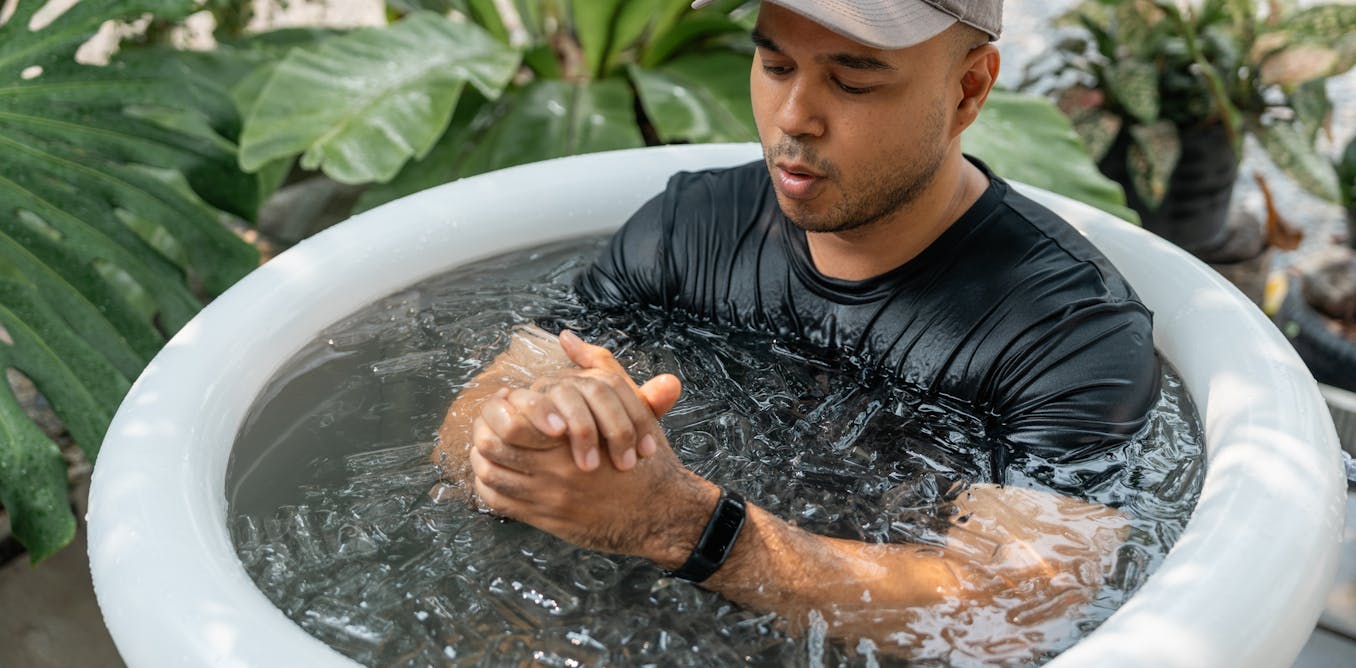
Finishing a tough workout always feels good. That is, until a few hours later when those uncomfortable muscle aches start setting in. This discomfort can linger for days – making easy, everyday tasks a challenge. In search of relief, some recreational gym-goers are adopting the kind of recovery techniques once reserved for elite athletes. Social media and professional sport have helped popularise everything from ice baths and compression garments to massage and recovery supplements. While many of these products promise faster recovery, reduced soreness and improved performance, the science is often more nuanced. Ice baths Few recovery strategies have received as much attention as ice baths. This involves immersing oneself in water that is below 15°C to boost recovery. But the evidence for this benefit is mixed. Ice baths help ease inflammation, which research suggests can reduce muscle soreness and help athletes recover muscle function more effectively in a 24-hour period. But there’s a catch. While inflammation causes soreness, it also triggers adaptations that build muscle. Dampening this response with ice baths may limit some of the long-term benefits of training – particularly if they’re used regularly. When it comes to ice baths, side-stepping short-term pain may sacrifice long-term gains. It’s best to only use them when rapid recovery is vital. Compression garments Compression garments are commonly worn after exercise to speed recovery. The idea is that the external pressure they apply supports circulation, enhances blood flow to the muscles, and reduces swelling. But while compression garments might make you think they’re helping as they reduce soreness, evidence showing they actually improve muscle recovery is generally less convincing. A study from 2022 put them to the test. One group was given compression garments; the other group was given a placebo tablet that they were told was equally as effective as compression. The compression garments were shown to improve circulation and muscle blood flow, while the placebo had no effect on these measures. This suggests the effects of compression garments on recovery are physiological and aren’t simply due to expectation or perception. However, whether these changes meaningfully improve performance is less clear. Although emerging evidence suggests compression garments genuinely affect some markers of recovery, this is unlikely to directly restore muscle function. So, compression garments may mainly help because they make you feel better recovered. Massage Massage is one of the few recovery interventions with relatively consistent scientific support. It can reduce soreness and improve perceived recovery after exercise. It’s not currently clear what mechanisms actually trigger the recovery benefits of massage. But it could be due to the fact that massage reduces muscle stiffness, improves circulation and boosts relaxation. But although athletes feel less sore and perceptions of recovery are improved after a massage, objective measures of performance and muscle function are modest and inconsistent. Massage might ease the discomfort of training, but don’t expect miraculous performance restoration. Recovery supplements The nutrition supplement market is a big business, with hundreds of brightly coloured recovery drinks and capsules promising reduced soreness and faster recovery. But not all supplements are created equal. Some appear to confer small benefits, while some come with hype that science doesn’t back up. Whey protein, for instance, is a well-researched supplement. Rich in amino acids (the building blocks of protein), it stimulates muscle protein synthesis – the process which helps your muscles grow. Whey protein is shown to have small-to-moderate benefits for muscle recovery – but evidence that it can alleviate soreness is inconsistent. Whey protein probably won’t help with soreness. Prathankarnpap/ Shutterstock Branch chain amino acids (BCAAs) are widely-used supplements that typically contain a mixture of the amino acids leucine, isoleucine and valine. BCAAs are popular because it’s believed the leucine they contain switches on protein synthesis. Yet despite their popularity, BCAAs appear less effective than complete protein sources for muscle recovery. This is because muscle repair requires all essential amino acids – not just the ones found in BCAAs. Food sources such as chicken, beef, salmon and tofu contain all the essential amino acids. Tart cherry juice is a relatively new supplement in the fitness world. It’s rich in polyphenols – plant compounds that are said to have anti-inflammatory and antioxidant (reducing or preventing cell damage) effects. It’s for these reasons that tart cherry juice is thought to help reduce muscle damage and soreness. Although this is still an emerging area of research, evidence suggests these compounds have small-to-moderate effects on reducing soreness after workouts, and may also help restore muscular strength and power. Omega-3 (fish oil) supplements are often championed as a way to reduce inflammation and accelerate recovery after exercise. While some research suggests they can modestly reduce muscle soreness and help preserve muscle function after strenuous exercise, results are far from consistent. As such, omega-3 supplements are unlikely to vastly improve recovery. Importantly, all of these nutrients can be obtained from a healthy, balanced diet. Science also shows that it’s better to get these nutrients from whole foods over expensive supplements, as whole foods provide other important nutrients that may interact synergistically to support health. What actually works? Popular recovery techniques might have small benefits for reducing feelings of soreness, but they don’t actually tend to restore muscle function all that much. Instead, the strongest evidence for good recovery comes from the basics: 1. Prioritise sleep: Get 7-9 hours of sleep per night so the body can conduct vital recovery and adaptive processes. 2. Fuel properly: Consume 20-40g of protein after exercise for muscle repair and adequate carbohydrate intake to replenish energy stores. 3. Train smart: Pair good sleep and nutrition with a sensible, well-structured training plan. This includes allowing rest days between sessions, challenging yourself a bit more each time, and scheduling easier sessions when needed to allow recovery. So, perhaps the biggest lesson here is that recovery cannot be bottled and sold.
The workout recovery techniques backed by science – and the ones that are just hype
Full Article
Original Source
Read the full article at Theconversation →KhanList aggregates and links to publicly available news content. We do not host full articles from third-party sources. Always verify important information with original sources.