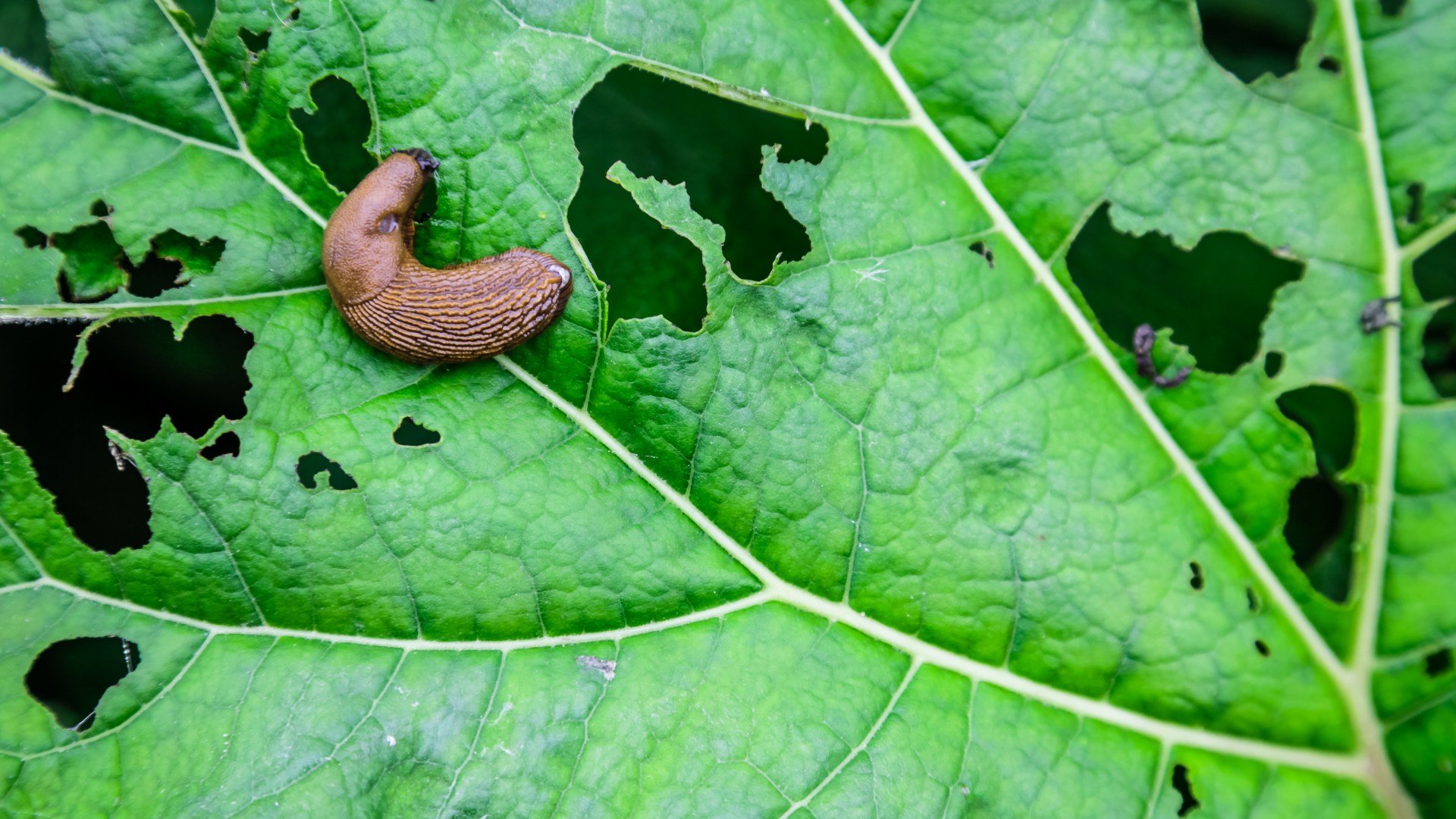
THERE’S nothing more frustrating than painstakingly tending to your garden only for dreaded pests to come along and destroy the plants. If you’re fed up with slugs, snails and other minibeasts undoing all your hard work, don’t worry – help is at hand. Using garlic can help to keep slugs from eating away at your plants and shrubs Credit: Getty There are lots of clever, inexpensive tricks you can try, many of which make use of things you may already have at home. Rather than immediately reaching for toxic pellets, consider these wildlife-friendly methods for protecting your prized blooms. Sign up for the Money newsletter Thank you! Bramble stems Slugs and snails may find it difficult to cross prickly branches, including bramble and rose stems, making them a useful physical barrier around vulnerable plants. Cut the stems into manageable lengths, then arrange them in a thick, continuous square or ring. Make sure there are no obvious gaps through which pests can crawl and check the barrier regularly, as stems can be moved by wind, rain or animals. Always wear thick gardening gloves and long sleeves when handling thorny branches. You should also use stems from your own garden or ask the landowner for permission before taking any from woodland, hedgerows or roadside verges. But make sure that you avoid cutting living plants unnecessarily. Most read in Money The best thing about this trick is that its free if you already have suitable garden trimmings. A basic pair of gardening gloves costs approximately £3 to £8, while secateurs generally cost £5 to £15. Garlic spray This homemade garlic spray costs very little to make and its strong smell may help discourage slugs, snails and some other garden pests. Crush two bulbs of garlic and add them to two pints of water. Bring the mixture to the boil and simmer it for around ten minutes before allowing it to cool completely. Strain the liquid into a labelled bottle or jar and keep it out of the reach of children and pets. To use it, mix one tablespoon of the concentrate with four litres of water. Spray it lightly over and around vulnerable plants once a week. Early evening is generally the best time, although you may need to reapply it after heavy rain. Test the diluted spray on a small section of the plant first and wait 24 hours, as concentrated homemade mixtures can sometimes scorch delicate leaves. Avoid spraying flowers when bees and other pollinators are around. Two garlic bulbs generally cost approximately 50p to £1. If you already own a saucepan and reusable spray bottle, each diluted batch should cost only a few pence. Wool The rough texture and absorbent fibres of wool are sometimes used to create an uncomfortable surface for slugs and snails to cross. If you have an old woollen scarf or jumper that is no longer wearable, cut it into strips and fasten them securely around plant pots. Ensure the material forms a complete barrier and does not leave gaps near the rim or base. Raw sheep’s wool or specialist wool pellets can also be placed on top of the soil around plants. When using loose wool, spread it in a wide, dense ring and check it following rain. Wool can become compressed or displaced and may need to be rearranged. Choose untreated, biodegradable wool where possible. Do not use garments containing loose plastic decorations, wires or other materials that could be left in the soil. If you’re reusing an old woollen item, then this trick should cost you nothing at all. Specialist wool pellets usually cost around £4 for a small one-litre pack, rising to approximately £9 to £15 for a larger bag. Coffee grounds Used coffee grounds can be sprinkled thinly around plants, although their effectiveness against slugs and snails varies and they should not be treated as a guaranteed solution. Allow the grounds to cool and dry before scattering them lightly over the soil. Avoid creating a thick, compact layer, as this can form a crust that prevents water from reaching the roots. Used grounds can also be added to a compost heap, where they contribute organic material. Coffee grounds contain small quantities of nutrients, but they are not a replacement for a balanced fertiliser. Because caffeine may affect seedlings and soil organisms, it is best to use grounds sparingly rather than repeatedly applying large amounts to the same area. If you do not drink fresh coffee, ask your local café whether it gives away its used grounds. Many businesses are happy for customers to collect them, although it is sensible to bring your own sealed container. Old tights Old tights can be reused to cover drainage holes in plant pots, helping to prevent slugs and other pests from entering from underneath. Cut a piece of clean material slightly larger than the drainage hole and place it inside the bottom of the empty pot before adding compost. The fine mesh creates a barrier while still allowing excess water to escape. It can also help keep compost inside the planter and may make the pot less inviting to nesting ants. Do not bunch up too much fabric or cover the holes with several thick layers, as this could slow drainage and leave the roots sitting in water. Check the material whenever you repot the plant and replace it if it has become clogged or damaged. As most tights contain synthetic fibres, they should be removed and disposed of responsibly rather than being allowed to break down in the soil. How to find gardening bargains Doing up your garden to enjoy on warm and sunny days needn't cost the earth. Sun Savers Editor Lana Clements explains how to get a top deal on items for the garden… You can bag big savings on plants, shrubs and flowers, as well as gardening tools and furniture. Many retailers have flash sales across entire seasonal ranges – often these promotions tie into payday at the end of the month or Bank Holiday weekends, so keep a lookout. Sign up to mailing lists of your favourite brands and you’ll be first to know of special offers. It can be worth following retailers on social media too. Use a price comparison site to search out the best value items. And keep a close eye on the specialbuys at Aldi and middle of Lidl drops which drop a couple of times a week and usually mean great value seasonal items for your outdoor areas. If you are not in a hurry to buy an item, try adding it to the shopping cart online and leaving it for a couple of days. Sometimes big brands will try to tempt you into the sale by offering you a discount. And always check if you can get cashback before paying. It’s especially worth using sites such as Topcashback, Quidco and app Jamdoughnut when buying bigger ticket items such as garden furniture as you’ll get a nice kickback. Comment now
The unexpected 50p kitchen staples that will banish the pests from your garden
Full Article
Original Source
Read the full article at Thesun →KhanList aggregates and links to publicly available news content. We do not host full articles from third-party sources. Always verify important information with original sources.