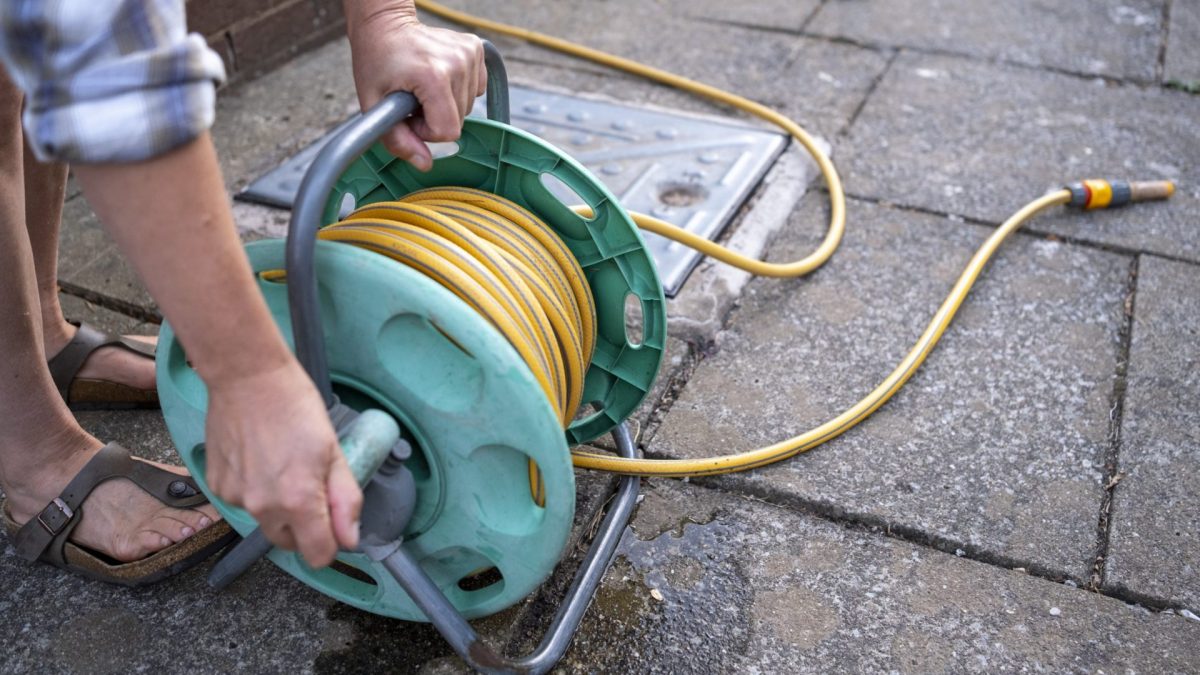
Here we go again: eight water companies have now introduced a hosepipe ban. Somehow, this rain-lashed island has once again contrived to run out of water for gardens while still flushing filth into rivers and seas. And yet, it rained for over a month in parts of the country earlier this year. Nevertheless, in places like the spa town of Tunbridge Wells, experiencing multiple restrictions in recent years, such problems have become the norm. It’s difficult to see beyond a need to renationalise the water industry. That feels ever more like common sense – and, we should all be really angry about how we got here. Let’s stop pretending this is a freak of weather rather than a failure of stewardship. It is a business model calibrated to sweat assets, underinvest in resilience and outsource the ecological bill to the public. Meanwhile, water bosses continue to pocket hefty pay and performance awards even as service craters. In recent years, total boardroom packages including bonuses and long‑term incentive plans have added hundreds of thousands of pounds on top of base pay, despite fines, pollution breaches and chronic leakage. The dividends story is equally indefensible: billions siphoned to investors while pipes, reservoirs and treatment works age into crisis. The defence is always the same: private capital delivers efficiency and investment that the state won’t. Really? Hosepipe bans are supposed to be emergency levers. They have become an annual rationing device to compensate for leaky networks and delayed upgrades. Customers are told to carry watering cans while companies carry on distributing dividends. Where was the regulator? Ofwat has talked tough, commissioned reviews and waved through price rises meant to fund long‑overdue upgrades. Yet, outcomes on the ground remain abysmal: households ping‑pong between scarcity in summer and foul flooding in winter. A regulator that can fine, cajole and publish yet cannot force timely delivery of infrastructure or prevent perverse rewards is not protecting the public interest. Yes, as we see in Europe this week, climate volatility is real. Droughts bite harder and downpours overwhelm Victorian sewers. That is precisely why water should be a resilient public utility, not a vehicle for yields. The country needs new storage, smarter leakage control and rapid separation of surface water from foul networks, with treatment capacity that copes with 21st‑century extremes. Renationalisation seems a necessary reset. Bring assets back into public ownership, end the dividend drain and direct any surplus pound into rebuilding the system, funding long‑term capital expenditure. Tie executive pay transparently to legally verified environmental and service outcomes. We could carry on with sewage in wet years and hose bans in dry ones, deluding ourselves that “lessons will be learned”, while bonuses are sanctioned and fines regarded as a cost of doing business. Or, we can accept that water is too essential and our rivers just too precious. Put the public back in charge. It’s not radical: clean water and clean governance – but it is long overdue.
The real scandal behind the hosepipe ban
Full Article
Original Source
Read the full article at Inews →KhanList aggregates and links to publicly available news content. We do not host full articles from third-party sources. Always verify important information with original sources.