
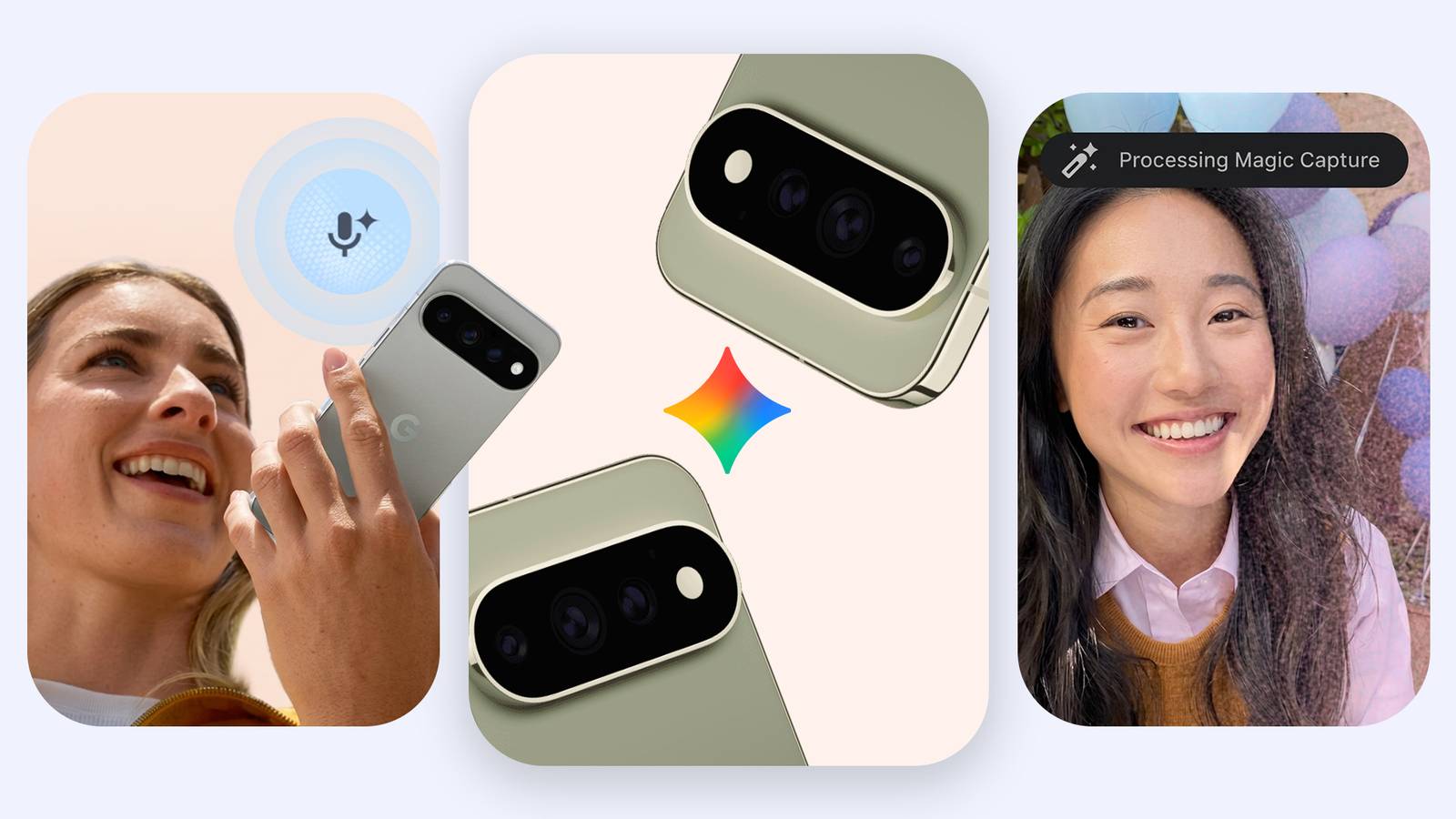
Published Aug 25, 2026, 8:00 AM EDT I’ve been covering Android since 2023, when I joined Android Police, mostly focusing on AI and everything around Pixel and Galaxy phones. I’ve got a bachelor’s in IT with a major in AI, so I naturally view technology differently. I usually take a pro-consumer angle instead of the marketing hype, which you’ve probably noticed in my writing. The Google Pixel 11 has no plans to show you your afternoon as it actually happened. It thinks it can do better. Any pretense of being a neutral witness is gone. The phone is an editor with opinions, and the opinions all break in your favor. I have a hard time seeing the harm in any of it. Hardly anyone wants a faithful transcript of their own mumbling or a birthday photo where they blinked. People want to come across sharper than they talked and look better than they looked. The Pixel 11 grants that wish eagerly. Rambler makes you sound smarter than you spoke Articulate for free, with a catch Credit: Lucas Gouveia / Android Police | APJO / Shutterstock Nobody speaks in clean sentences. We stall, we back up, we restart a thought halfway through. Rambler throws all of that away. Part of the Gemini Intelligence suite on the Pixel 11, Rambler turns voice typing into an intent-driven draft. Tap the mic in Gboard, and the keyboard listens to your entire thought, skips the filler words, and lets the false starts go. The upshot is that you sound articulate for free. It's also where the phone shows its hand. Months from now, the only surviving version of that conversation is the thread, and the thread is the keyboard's version. Magic Capture turns photography into a commission Great photos but none of them are yours Photographing anything that moves forces a choice. Watch the event or the viewfinder. Magic Capture makes the shutter button optional. You start a session and point the phone. It records up to two minutes of video while Gemini analyzes frames in the background and scans for peak action. About a minute later, it returns a curated set of stills. The full video stays on your device, so the stills come with their story intact. That's a good deal. Still, this feature changes what a photo is. The moment becomes a commission. The craft has been automated. Timing, taste — the things that made photography a craft — now happen inside the chip. What's left is completely artless. 120x Pro Zoom invents what the lens never saw A confident render of what was probably there Physics doesn't care how good your processing is. There's a hard ceiling on how far a phone lens can really see, so the Pixel 11 Pro and Pro XL push past it by making things up. At 120x, you're looking at the phone's best theory of what was probably there. That is not a photograph in any meaningful sense. When you drag the slider to 120x, a generative model fills in detail the sensor never recorded and hallucinates texture, so the image looks sharp. After the shutter, Google Photos gets the last word Credit: Lucas Gouveia / Android Police | Jose Calsina / Shutterstock Everything up to this point happens during capture. The editing suite is where Pixel starts rewriting the record. None of these tools debuted with the Pixel 11, but they're a core part of its pipeline. The redesigned Google Photos app now subdivides the old Magic Editor into separate tools, with Magic Eraser handling object removal and Move and Reimagine covering generative edits. Reimagine will turn a grey sky blue or bathe your selfie in a golden hour glow that never happened. Auto Frame extends a photo's edges with detail the camera never saw. Best Take merges several group shots into one where nobody blinked, and even lets you pick each person's expression from a menu. Fixing the weather is a victimless edit, and most people would shrug at it. The group photo is different. That composite goes in the family chat, is printed, and becomes the photo of the day. AI edits now come with a confession attached A watermark you can't see Credit: Lucas Gouveia / Android Police A phone that edits this much needs a paper trail, and Google built one. Pixel 11 photos get C2PA metadata embedded at the moment of capture. Think of it as a label for the file, recording where the image came from and what was done to it. Heavier AI alterations also get SynthID, an invisible watermark in the pixels that's designed to survive compression and cropping. Platforms are starting to read it. Instagram will pull that metadata and show an AI label on edited media. So the internet can, at least in theory, see how much the phone flatters you. Sometimes the smeared photo is the one worth keeping Most of the time, the flattering edit is the correct edit. Nobody is nostalgic for their own verbal stumbles or a smeared photo of a first birthday. But the remaining slice of life needs the authentic take. Dictating something where the wording has to be exact leaves no room for a keyboard's interpretation. Reading a distant street sign only works if the phone admits it can't read it. And there's a version of your kid's face in bad lighting and slightly blurry that you might want more than the cleaned-up one. The Pixel 11 is a very good phone with very strong opinions. Its saving grace is that every one of those opinions has a toggle. Google Pixel 11 Brand Google SoC Google Tensor G6 Display 6.3-inch Actua display RAM 12GB Storage 256 or 512GB Battery 4985 mAh With the new HiLight feature, a new array of colors, and more, the Pixel 11 is set to be the next great flagship.
The Pixel 11 doesn't record your life; it records the version you wish had happened
Full Article
Original Source
Read the full article at Androidpolice →KhanList aggregates and links to publicly available news content. We do not host full articles from third-party sources. Always verify important information with original sources.