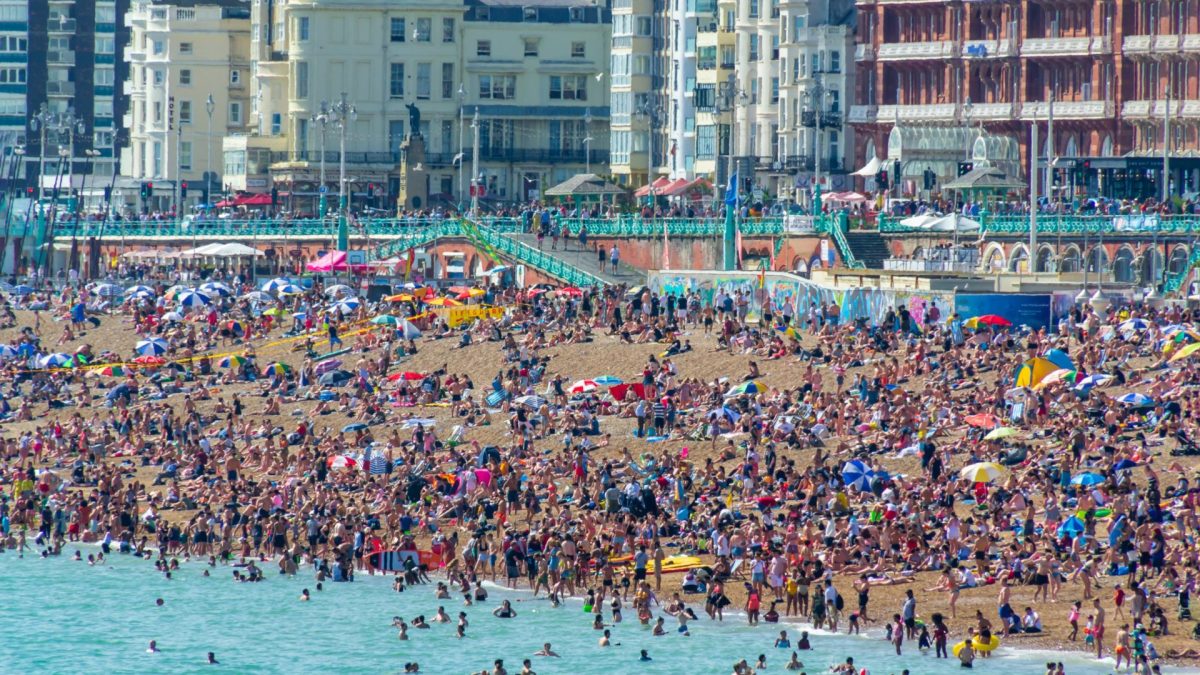
I’m writing from Sardinia, where the temperature is again almost 40°C. By lunchtime, the streets are empty. Even on local beaches, parents shepherd children from one patch of shade to the next before retreating indoors, because simply being outside has become uncomfortable, even unsafe. This is not the sun-soaked fantasy that sold package holidays to generations of Brits. Together with the difficulties inherent in even getting here and the increasing summer heat back home, it is not difficult to understand that for many Brits, this is the first of what may be many staycation summers. For families, flying is now an endurance event. Security queues, baggage restrictions, delayed departures, extortionate airport prices and post-Brexit bureaucracy all chip away at the excitement. The EU’s Exity/Entry (EES) System promises greater border security by replacing physical passport stamps with biometric tracking, but somebody forgot to include the customer experience. At Cagliari – bizarrely – families were pulled aside to wait even longer than the rest of us. For years we accepted these irritations because there was one overwhelming reward: guaranteed sunshine. But what happens when the guarantee becomes too strong? Spain, Italy and Greece have experienced repeated 40°C summers, with wildfires becoming an almost annual feature. Many tourists are heading towards cooler destinations or avoiding July and August altogether, if possible. The era of carefree high-summer Med holidays is undoubtedly changing. Here, that 42°C heat was accompanied by a genuinely scary wind that felt like a hairdryer. The locals are worried. Meanwhile, Britain warms faster than the global average, with average temperatures now 1.3°C higher than in the late twentieth century. Lincolnshire’s 40.3°C record during 2022 was once thought impossible; today, temperatures of 40°C are twenty times more likely than they were in the 1960s. Long, settled periods of summer sunshine are becoming increasingly common. Nobody will confuse Cornwall with Corfu. However, during heatwaves, a family can reasonably expect a week of mid-twenties sunshine on the Cornish coast, the Gower Peninsula, or sunny Skegness, while avoiding airport queues, baggage charges, passport delays, hire-car rip-offs, and eye-watering restaurant bills; the calculation begins to change. This should be a golden age for British tourism. But Britain still behaves as though domestic holidays are somehow an afterthought, not treating tourism as something economically essential. Seaside towns like Blackpool suffer chronic under-investment. Public transport to so many holiday destinations is unreliable and prohibitively expensive. Public toilets are disappearing. Car parks overflow before lunch. Digital connectivity remains patchy. Affordable accommodation is scarce, while hospitality businesses struggle with staff shortages and rising costs. None of this reflects a lack of demand. Tourism contributes £147bn annually to the UK economy, supporting millions of jobs. If climate change, rising travel costs and the sheer hassle of flying encourage more Britons to holiday at home, that contribution could grow substantially, but only if the infrastructure grows with it. Britain possesses spectacular coastlines, outstanding national parks, historic cities, thriving food culture and stunning landscapes. We have the raw ingredients for a domestic tourism boom. What we lack is the ambition. Climate change will reshape where we choose to spend our summers. The question is no longer whether more British families will rediscover Britain’s beaches. Standing in an hour-long airport queue with two exhausted children, that decision almost makes itself. The real question is whether Britain is ready for more holidaying Brits.
The Med is too hot for tourists – but Britain isn’t ready for the staycation boom
Full Article
Original Source
Read the full article at Inews →KhanList aggregates and links to publicly available news content. We do not host full articles from third-party sources. Always verify important information with original sources.