
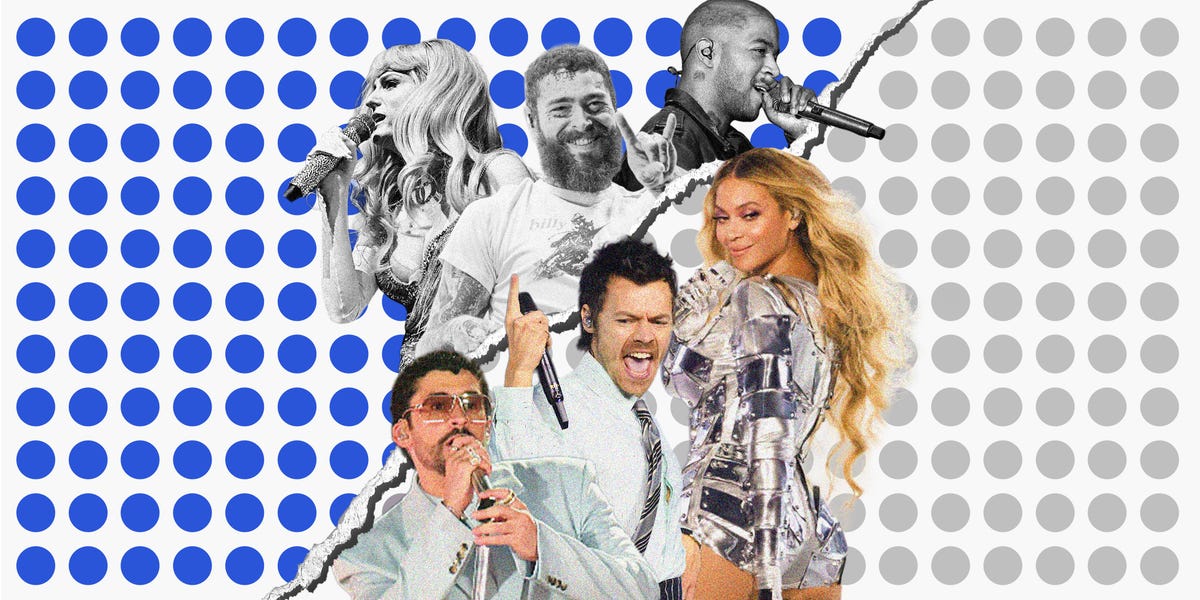
5 min readLet me put some numbers behind a trend you might have noticed: More than 10 major musical artists have outright canceled their tours in 2026. Dozens of music festivals have called off their dates. At the same time, the average concert ticket in the U. S. has climbed over $140 while BTS has raked in $1 million in sales per month for several months.What the hell is going on? Led Zeppelin sang it best: right now, for artists, concertgoers, and the music business overall, it is very much a case of “Good Times, Bad Times.”The winners have undoubtedly won big. Harry Styles recently started his astonishing thirty-night stand at Madison Square Garden, with dates spread over the next few months. Olivia Rodrigo announced ten shows at Brooklyn’s Barclays Center in February 2027. Morgan Wallen’s current “I’m the Problem” tour is the highest-grossing country tour ever, and that BTS stat catapults the Kpop stars into a group with only two other members: Beyoncé and Bad Bunny.And yet, before we hit the summer, Kid Cudi, the Pussycat Dolls, Post Malone (alone and coheadlining with Jelly Roll), Meghan Trainor, ZAYN, and others had already canceled shows or reduced itineraries. In recent weeks, Roxette, David Lee Roth, and Kacey Musgraves have cut major dates, and the Beach Boys pushed much of their summer schedule into the fall.To be fair, none of these artists came out and said that ticket sales were the reason for their cancellations. Post Malone said he wanted to finish a new album, Trainor stated that she wanted to spend time with her new baby, Roxette claimed that it was their promoter’s decision based on “logistics and hugely increased touring costs.”But the press has been filled with stories about “blue dot fever”—the phenomenon of ticket buyers looking at the Ticketmaster website and seeing the blue dots indicating all the unsold seats.Jamie Squire//Getty ImagesPost Malone performs in 2024.What seems to be coming clear is that the concert business, like the rest of our economy, is going “K-shaped,” with superstars charging skyrocketing prices and seeing more demand than ever for tickets, and the major national promoters watching their valuations soar, while smaller artists find it harder than ever to fill venues as higher costs cut into the profit margins of touring. Meanwhile, inflation and widespread belt-tightening among consumers have made people more cautious in their leisure spending.“Fewer people are going to a small local venue multiple times a year, and more people go to one or two big shows once or twice a year,” says one artist representative in the rock space. “Over the last couple years, there have been a few mega-tours that have taken a certain degree of oxygen out of the ecosystem, like Taylor Swift or Oasis, where the average ticket price is pretty massive, and as a result, they don't go to any other shows the rest of the year. And this year specifically, you've got all the general macroeconomic headwind issues—the price of gas, the general cost of living—and to some degree, the story is as simple as that.”According to Mike Luba, who runs Forest Hills Stadium in Queens, the situation is certainly challenging but not cause for panic. “The artists people really want to see are doing great,” he says. “There are tons of artists playing arenas and stadiums, so the business overall feels healthy. But it is super-expensive to tour at every level, so that’s impacting all artists and fans. Aside from obvious things like gas, trucking, bussing, etc., I think the general state of affairs in the world is potentially having the biggest impact. That being said there continue to be new markets across the world that can now support, sustain, and grow the touring economy."The artists’ rep notes that pent-up hunger for live music from both artists and fans coming out of the pandemic artificially inflated the usual rules of supply and demand for a while. Since that initial burst, though, things have settled back down but given some musicians (or their teams) unrealistic expectations.“We're living in a moment,” he says, “where if you're going to tour with either an aggressive ticket price or ambitious venue sizes, you have to have a real point of view as to why you're doing it and what about this particular offering is unique and important. Touring just to tour isn't getting over to audiences at this point, and some of that is about saturation, exhaustion, and having too many other choices.”Kevin Mazur//Getty ImagesU2 performs at the Sphere in Las Vegas.He points to the success of the Sphere in Las Vegas, where offering a “distinct, unique experience” has so far managed to overcome some of the initial skepticism that met the venue’s opening in 2023.Both industry voices warn not to make too much of the “blue dot fever” stories, noting that it may prove to be a net positive. “It sounds catchy, but it’s not significantly different this year than years past,” says Luba. “I think it’s actually a good sign of the industry willing to be more transparent.”“There's always been a category of show that’s aiming for too big a room,” says the artist rep. “Often it's pop stuff, where the perception is, ‘I've got 12 trillion Spotify streams, so I should be able to play an arena.’ And it turns out, no, people like a song, but not to the tune of 200 bucks at Giants Stadium.”Meanwhile, after a period of major boom and then some recalibration, the music festival business may be settling down; according to the Music Festival Wizard website, so far in 2026, 52 festivals around the world have been canceled, which is on track to be lower than the 80-plus in each of the last two years. Still, it’s hard to know what to make of Bonnaroo, one of the country’s biggest and best-established festivals, announcing that it will be taking next year off.For Luba, the biggest impact in recent years for festivals and venues like his has been the increase in catastrophic weather. “Climate change is real,” he says, “but there is no way to replace the magic of experiencing music outside with other humans.”Of course, while there used to be a widespread taboo about cancelling performances for any reason, mental and emotional health are accepted, even applauded, as explanations for not taking the stage for artists from Chappell Roan to Jon Batiste. And as rock’s boomer icons somehow persist in touring into their 80s, we see more and more shows affected by their inevitable physical issues; most recently, Rod Stewart and Lionel Richie canceled or postponed dates after medical concerns, while ZZ Top took a shockingly quick break for the hospitalization and death of drummer Frank Beard. It’s a reminder that the classic rock stars who have in many ways provided the reliable backbone of the touring business—especially the summer sheds and amphitheaters—aren’t going to be around forever.“I think there’s a rush to replace some of the blue-chip stuff that's eventually going to go away,” says the artist representative. “The hope is that Jelly Roll can be the headliner that Willie Nelson is not going to be able to be in however long a time. So you let him put up arenas, but it turns out he's not quite there yet.”
The K-Shaped Economy Has Come for the Music Industry
Full Article
Original Source
Read the full article at Esquire →KhanList aggregates and links to publicly available news content. We do not host full articles from third-party sources. Always verify important information with original sources.