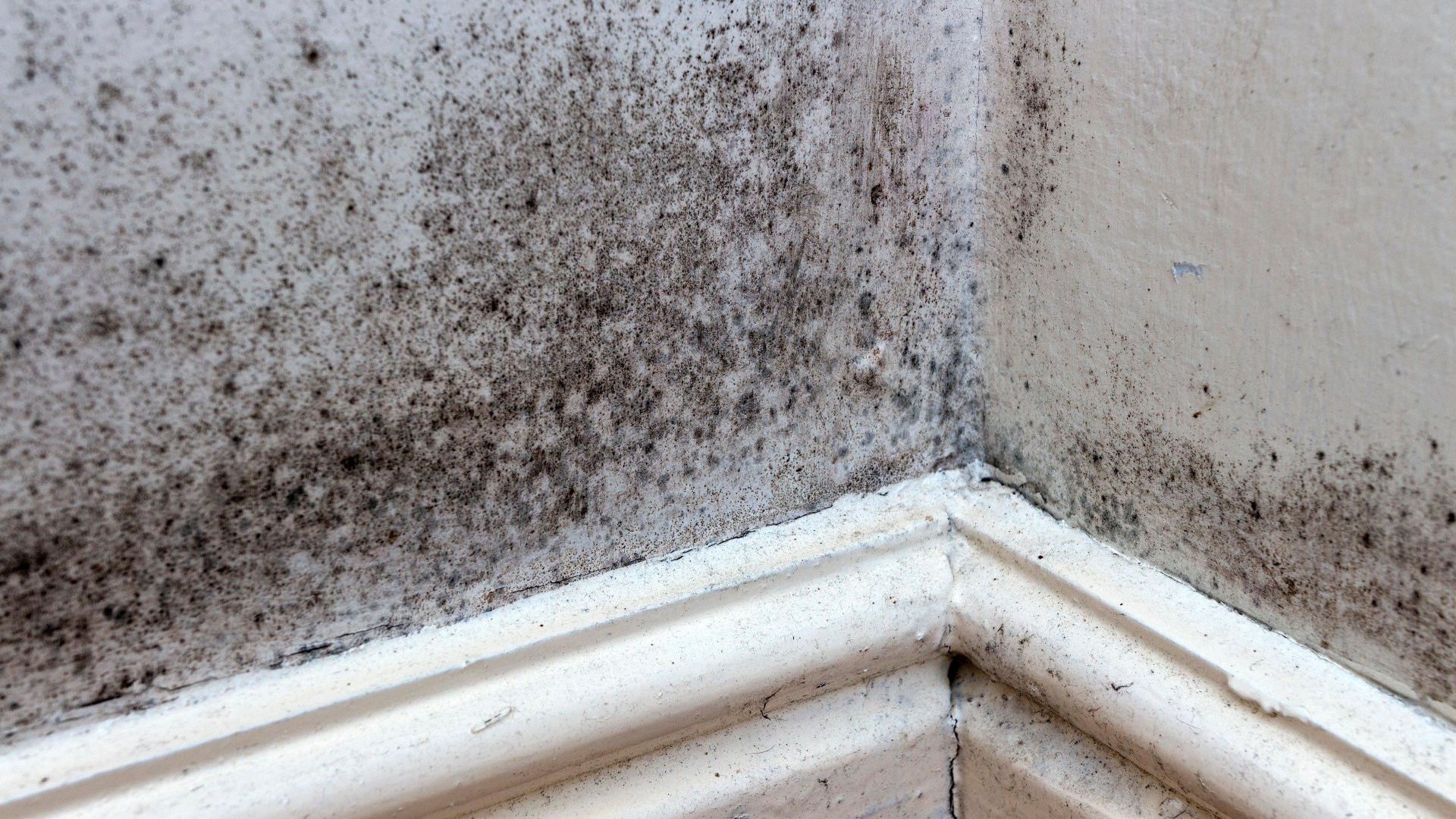
MOST homeowners think of damp, mould and condensation as winter problems. But experts are warning that common seasonal habits could be causing moisture to build inside homes during the summer. Damp can be a huge problem in summer – not just winter Credit: Alamy Laura Bradbury at Vonhaus reveals her top tips for avoiding summer mould From taking more frequent showers to drying laundry indoors, cooking with the windows closed and keeping rooms closed during humid weather, everyday routines can leave moisture trapped in areas homeowners rarely check. If that moisture is not cleared through ventilation, it can settle on cooler surfaces, build behind furniture or sit inside storage spaces where air does not move freely. Sign up for the Fabulous newsletter Thank you! Warmer air can also hold more water vapour than cooler air, which means humid July weather can make indoor spaces feel damp and stuffy if that moisture has nowhere to go. Here, indoor living experts at Vonhaus reveal the three hidden damp hotspots homeowners should check this summer – and how to stop stop damp from becoming a bigger issue. Wardrobes and cupboards Wardrobes and cupboards are easy to overlook, but they can trap moisture quickly, particularly when they are packed tightly or placed against external walls. Clothes, shoes, towels and bedding can all hold onto moisture. If air cannot move between items, damp smells may build before any visible mould appears. The signs to watch for include a musty smell when the door is opened, clothes feeling slightly damp or stale, white marks on shoes or bags, and discoloration on the inside walls of the cupboard. Laura Bradbury, Head of Ecommerce at Vonhaus, says: “Storage spaces are one of the easiest places for damp to go unnoticed. If a wardrobe or cupboard smells musty, it is worth taking everything out, checking the back and sides, and giving the space time to air.” Most read in Fabulous To reduce the risk, avoid overfilling wardrobes, leave small gaps between items and open cupboard doors occasionally to let air circulate. Behind sofas, beds and large furniture The space behind furniture is another common hidden damp spot. Sofas, beds, wardrobes and cabinets are often pushed tightly against walls, which stops air moving freely. This can be a bigger problem on external walls or in rooms where windows stay closed for long periods during warm or humid weather. Homeowners should look for musty smells, peeling wallpaper, dark specks, cool patches on the wall or marks appearing behind furniture. Leaving a small gap between furniture and the wall can help air circulate and reduce the chance of moisture settling unnoticed. Laura adds: “Areas behind furniture can be easy to forget because they are not part of the usual cleaning routine. “Pulling larger items forward every so often and leaving a small gap between furniture and walls can help air move more freely.” Bathrooms and laundry spaces Bathrooms and laundry spaces are two of the biggest moisture producing areas in the home, especially during summer. Extra showers after hot days, drying washing indoors and leaving wet towels or laundry in poorly ventilated rooms can all add moisture to the air. If that moisture has nowhere to go, it can settle around windows, ceilings, grout, silicone seals, skirting boards and nearby furniture. The signs to watch for include condensation that lingers after showering, black marks around sealant, peeling paint, damp smells, laundry taking longer than expected to dry and clothes feeling musty after washing. Laura explains: “Indoor laundry drying is one of those everyday habits that can add a surprising amount of moisture to the home. If clothes are drying in a room with poor airflow, that moisture can settle on walls, windows and furniture. “Bathrooms can create the same issue, especially when steam is not cleared properly after showering.” Opening a window, using an extractor fan during and after showering, wiping down wet surfaces and drying laundry in a well ventilated room can all help reduce moisture. In rooms where humidity regularly builds, a dehumidifier can also help remove excess moisture from the air, particularly in utility rooms, bedrooms or bathrooms where laundry is dried indoors. How to reduce moisture at home during summer IMPROVING airflow is one of the simplest ways to reduce moisture indoors during summer. Open windows when the air outside feels cooler, use extractor fans when cooking or showering, and avoid keeping humid rooms closed for long periods. Homeowners should also avoid overfilling wardrobes and cupboards, as tightly packed clothes, towels and bedding can stop air moving freely. Anything being stored should be completely dry before it is put away, as even slightly damp fabrics can create a musty smell and add moisture to the space. Leaving a small gap behind sofas, beds, wardrobes and other large furniture can also help air circulate, particularly against external walls where moisture is more likely to settle unnoticed. In kitchens and bathrooms, small habits can make a difference. Use lids on pans, wipe down wet surfaces after showering, keep towels spread out so they can dry properly, and avoid leaving damp laundry in baskets or washing machines for long periods. Where possible, dry laundry in a well ventilated room and avoid placing wet clothes directly against walls, doors or furniture. If clothes are drying indoors, keeping the room aired can help stop moisture from settling on nearby surfaces. In rooms where humidity regularly builds, a dehumidifier can help remove excess moisture from the air, particularly in bedrooms, bathrooms, utility rooms or laundry spaces. However, it should work alongside good ventilation rather than replace it. Laura Bradbury, Head of Ecommerce at Vonhaus, says: “A dehumidifier can be helpful for everyday summer humidity, especially in rooms where moisture tends to linger, but it should be used alongside simple habits like opening windows at cooler times, using extractor fans and allowing air to move around the home. “It will not fix a structural damp issue, but it can help reduce excess moisture and make rooms feel fresher during humid summer weather.” While damp is often treated as a winter issue, summer humidity can still cause problems when moisture is allowed to build in hidden areas of the home. Laura adds: “The key is not to wait until damp becomes visible. Musty smells, stale fabrics and lingering condensation are all signs that moisture may be building. “By improving airflow, keeping damp items away from enclosed spaces and using a dehumidifier in rooms prone to excess moisture, homeowners can help keep their homes feeling fresher and more comfortable throughout the summer.” Comment now
The heatwave habits that could be trapping moisture in your home & leading to summer mould
Full Article
Original Source
Read the full article at Thesun →KhanList aggregates and links to publicly available news content. We do not host full articles from third-party sources. Always verify important information with original sources.