
is a freelance writer and co-host of chart-topping pop culture podcast Straight Up. Eleanor was previously the Telegraph's associate culture editor and senior writer at British GQ. I wonder what Chris Martin will have been thinking this week as he watched Ed Sheeran bury himself in the worst PR disaster of his career – and perhaps one of the very worst in pop – after his support acts, and his own house band, left his US Loop tour in solidarity with fellow support act Macklemore, whose “Free Palestine” remarks on stage prompted stadium bosses to block him from performing. I imagine it might have been along the lines of: that could have been me. To which Ed might say, just you wait. Coldplay and Ed Sheeran occupy the same role in today’s culture: they offer communal anthems for the masses. Their worst offence is that they are too bland; musos find them embarrassingly mainstream because they soundtrack too many weddings. Their politics, too, has – conveniently – always played safe with their audiences: Martin was pro-Obama and anti-Brexit, Sheeran was pro-Corbyn and in 2022 performed at Concert for Ukraine. Both have invested heavily in charitable causes from music education to climate change, and both have made a point to share their stages with artists across genres and cultures. Such broad palatability has allowed them to top festival bills, play stadiums around the world, enjoy lucrative sync deals and corporate sponsorship, while dipping their toes into whichever social justice issues already have majority support. Yet preaching love, peace and general good vibes is no longer enough, as Martin similarly found out during Coldplay’s 10-night residency at Wembley last year. During one concert, Martin described two Israeli fans on stage as “equal humans on Earth, regardless of where you come from”, which was criticised as condescending. A few nights later, he asked the audience to “send love” to “people who you disagree with”, such as the family of controversial Republican activist Charlie Kirk, who was shot dead at a political event last year, dedicating Fix You to his memory among others. Martin was swiftly slammed online, where critics listed all of the policies Kirk advocated for that firmly contradicted Coldplay’s message of compassion. Martin’s broad brushstroke humanitarianism suddenly felt rather hollow. As one popular comment on X reads: “i swear this man just supports whatever he sees.” Compared to Sheeran’s fallout, however, Martin got off lightly. In the years since #MeToo and Black Lives Matter went viral on social media in 2017 and 2020, political activism has become increasingly tied to personal identity. From micro-influencers and artists to coffee shops and festivals, people and brands are expected to stand for something if they want fans and customers to wear their merch, tag them on Instagram or attend their events. In fact, as AI degrades almost all aspects of our digital worlds, in-person events are only becoming more special – and more expensive. Attending a gig, for instance, is no longer just a fun night out, but a sacred opportunity for community. Can communities really remain “apolitical”? What’s more, an absence of politics jars with the fact that modern fandom is built on the illusion of intimacy. In the hyper-devoted, parasocial fandoms of artists like Taylor Swift, who shares diaristic songs about her most vulnerable moments, many fans have spent thousands annually to follow her around the world — a commitment to the “Swiftiverse” is its very own lifestyle. With such financial and emotional investments at stake, it seems fair to want to know how she votes. In her 2020 Netflix documentary Miss Americana, Swift regretted not speaking out against Trump in 2016, but revealed she was frightened by what had happened to the Dixie Chicks, whose criticism of George Bush derailed their careers. “I saw how one comment ended such a powerful reign, and it terrified me,” she told Variety. Although Swift endorsed the Democrats in 2018 and Kamala Harris in 2024, her recent silence on Trump and then Gaza has earned her the loudest criticism of her entire career, and over the past two years Swifties have “defected” from the fandom in droves. Swift, Martin and Sheeran, incidentally all friends, have something notable in common: they’re obsessed by the idea of being the best, by which they might also mean the biggest. Sheeran told GQ in 2017 that the first thing he does every morning is check his sales figures on a laptop. “All the biggest people in the world know about this and if they deny it they are lying,” he said. “If they’re massive. At Beyoncé’s level or Jay Z’s or Taylor’s – someone who’s massive – every one of us cares about sales and figures.” Coldplay have long faced accusations of ‘selling out’ – Creation Records founder Alan McGee branded them “the dictionary definition of corporate rock” – for trading their early, stripped-back sound for generic stadium-fillers and pop collaborations (such as with Rihanna) primed for chart domination. Swift has even been accused by fans of sabotaging other artists’ chances of going to number one by releasing new variants of her previous hits – coincidentally – at the same time their albums drop. But such consistent, commercial success – Coldplay is now the only British band to sell over 10 million tour tickets, Sheeran’s Divide is the most-streamed UK album of all time, while in 2023 Swift became the world’s youngest female self-made billionaire – requires calculated risk aversion as brand strategy. Sheeran repackaged it as virtue in his Instagram statement on Tuesday, writing: “I choose to use my fame and platform to be a place of safety and sanctuary”. But as the silencing of Macklemore makes clear, “apolitical” spaces were never really sanctuaries at all.
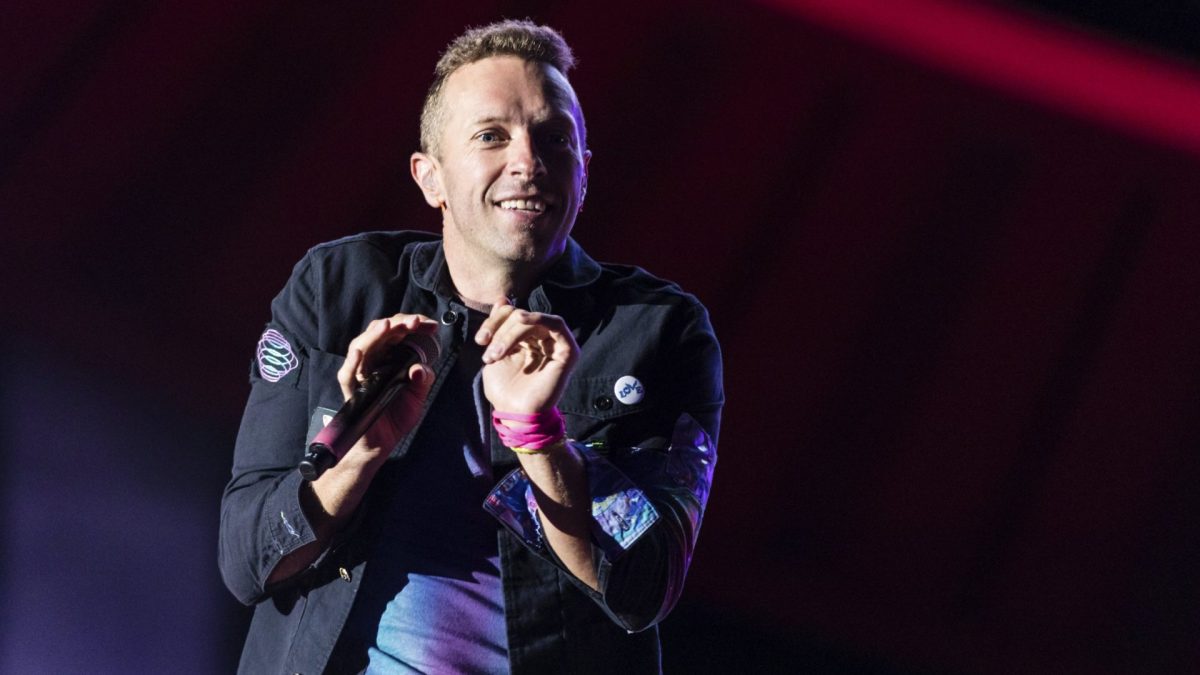
The cosy Coldplay trap
Full Article
Original Source
Read the full article at Inews →KhanList aggregates and links to publicly available news content. We do not host full articles from third-party sources. Always verify important information with original sources.