
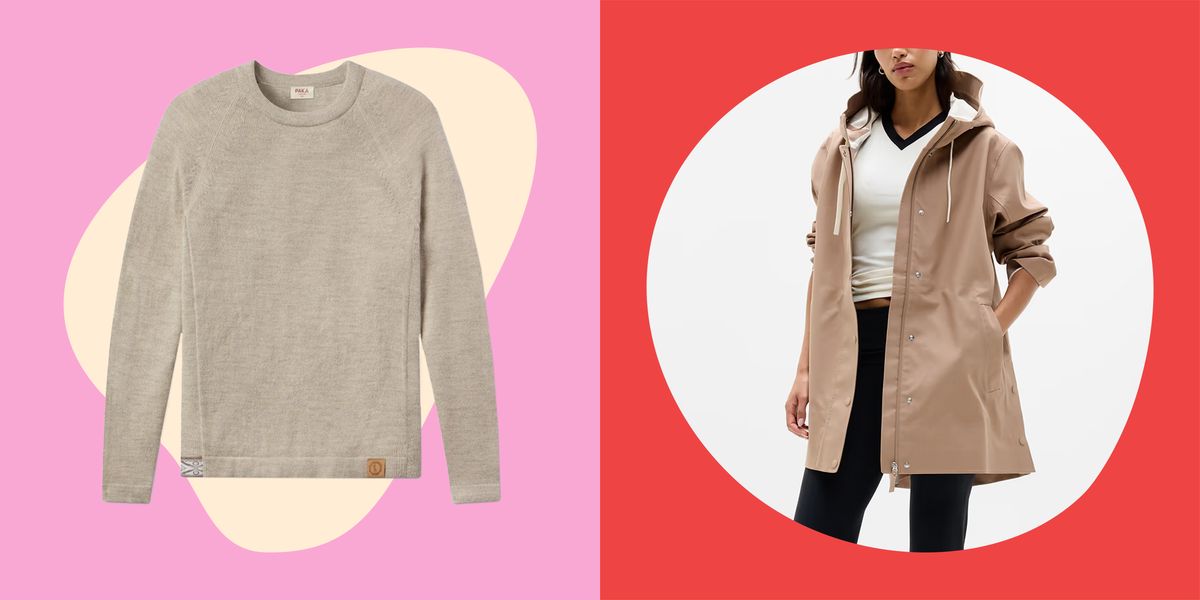
6 min readI’m a big believer in shoulder-season travel. Give me a destination in that sweet spot between seasons, when the crowds have thinned out and the weather is mostly cooperating, and I’m happy. The only downside? Packing your travel backpack or carry-on luggage can become a bit of a guessing game—even if you’ve already mastered the art of the travel capsule wardrobe. A chilly morning can turn into a surprisingly warm afternoon, followed by rain, wind, and a dramatic temperature drop the second the sun goes down. And, naturally, I’m heading to Iceland in a few weeks, where I’m expecting to experience basically all of the above.Branwyn Long Sleeve TeeFinisterre Barents JumperAmazon Essentials Packable Puffer Quince Weatherproof Oversized Rain JacketIcewear Norwegian Wool HeadbandAfter visiting nearly 30 countries—from Morocco to Finland to France—I’ve learned that the answer isn’t packing an outfit for every possible weather scenario. It’s packing a handful of really good layers that can work together, be added or removed throughout the day, and ideally don’t take up half of your suitcase. Whether you’re heading abroad in the fall, going on a ski trip, or simply visiting somewhere with an unpredictable forecast, these are the travel layers I’d pack—and how I’d actually wear them.Start With a Lightweight Base Layer.A good base layer is one of those pieces you might not think much about until you’re really cold and wishing you’d packed one. I’m partial to lightweight merino wool because it’s warm without feeling bulky, but a thin thermal or moisture-wicking long-sleeve can work, too. The key is choosing something that can comfortably sit underneath your other clothes without making you feel like a stuffed sausage. Bonus points if it’s cute enough to wear on its own when temperatures warm up.Choose a Sweater That Won’t Eat Your Suitcase.Your travel sweater has a pretty demanding job: It needs to keep you warm, layer easily, survive being stuffed into a carry-on, and ideally look good enough to wear to dinner. Lightweight merino, cashmere blends, thin knits, and even a cozy cardigan are all great options because they add warmth without the bulk of a chunky sweater. I also love a layer that works with leggings, jeans, and technical pants, since versatility is basically currency when suitcase space is involved.Make Room for a Packable Puffer.If there’s one layer I think almost every unpredictable-weather trip can benefit from, it’s a lightweight puffer. Unlike a giant winter coat, a packable down jacket or puffer can compress into your luggage when you don’t need it, then come out for chilly mornings or unexpectedly frigid evenings. It might not be necessary for every trip, but if you’re traveling during cooler months or to places notorious for unpredictable weather, I’d definitely recommend packing one (or wearing it on the plane).Bring a Rain Layer Instead of a Whole Rainy-Day Outfit.Rainy destination? This is where a good layering strategy really pays off. Instead of packing a separate outfit for wet weather, bring a lightweight waterproof or water-resistant shell that goes over the layers you already have packed. A packable rain jacket is particularly useful for travel because it can disappear into a day bag when the forecast looks promising and come back out if the skies change their mind. Look for one that has enough room to fit over a sweater or puffer without feeling restrictive.Don’t Forget a Layer That Looks Good at Dinner.Not every travel layer needs to scream “I just came back from a hike.” A lightweight blazer, wool jacket, cardigan, or structured overshirt can make the rest of your travel wardrobe feel a little more pulled together. I like bringing one layer that can work for sightseeing during the day but also makes sense for a restaurant or bar at night. It’s an easy way to get more mileage out of the clothes you’ve already packed without adding a whole separate “nice outfit” category (trust me, I’ve lost a lot of suitcase space that way).Pack a Few Smaller Layers.Once you’ve gotten the bulkier layers out of the way, be sure to fit in a few accessories. I like to throw in a beanie or cozy headband, a pair of gloves (if necessary), and a scarf. Scarves and cute headwear can also be fun ways to add a bit of personality to your outfit without taking up too much room in your bag.How to Actually Layer for Changing WeatherThe trick is to think of your clothes as a system rather than individual outfits. On a chilly, rainy day, for example, you might start with a merino long-sleeve, add a lightweight sweater and puffer, then finish with a waterproof shell. When the temperature climbs in the afternoon, you can ditch the puffer and shell and keep going in your sweater; when the sun disappears again, everything goes back on.For milder weather, you might only need a T-shirt, cardigan, and rain shell, while a cold-weather trip could call for the full base-layer-to-puffer-to-shell combination. This is also where I find my scarves, hats, and cozy headbands most useful to add a little extra warmth without going full puffer.The goal is basically this: pack pieces that can be mixed and matched as the forecast changes, rather than trying to predict exactly what you’ll want to wear every hour of every day. That’s how you stay prepared for multiple temperatures without bringing your entire closet along for the ride. Sticking with one color palette (whether that’s neutrals, pastels, vivids, or some other combination you love) usually helps if you’re used to packing specific outfits.What to ConsiderMaterialsThe fabrics I prioritize depend on which type of garment I’m packing, but below you can find a pretty comprehensive overview of what to look for:Wool: Wool, specifically merino wool, is a popular material for base layers and sweaters. It’s a natural fiber that is supersoft, warm, temperature-regulating, and odor-resistant (meaning you can wear it a few times without washing). Though it’s not as moisture-wicking as treated synthetic fabrics, it’s still very breathable and dries quickly. Synthetics: Synthetic materials like polyester, nylon, and modal (a semi-synthetic) are king at wicking away moisture. They are breathable, dry quickly, and generally more durable than wool. Synthetics (or a merino wool-synthetic blend) are often preferable for a day full of exertion, like snowshoeing or intense winter hiking, since they are often treated with weather-resistant and moisture-wicking coatings. Lots of synthetic blends also include elastane, which adds stretch to the fabric—a comfy bonus for active days.Down vs. polyester insulation: For your packable puffer jackets, insulation is an important component. It’s generally advised to look for real down (the under-feathers from ducks and geese you often find in pillows) in the insulation of your jacket, which offers an excellent warmth-to-weight ratio. But if you’re looking for a more affordable down coat or one that dries more quickly in rainy conditions, synthetic polyester insulation is a worthy alternative.VersatilityTraveling and packing smarter starts with choosing capsule wardrobe essentials that pull double (or triple) duty—think a neutral base layer that you can wear on a hike in milder weather or layered underneath a wool sweater, a knit that works on the plane and at dinner, or a weather-resistant jacket functional enough for the outdoors and stylish enough for the city. I plan my travel outfits and what I pack around pieces that are versatile enough for everything on my itinerary. Building multiple outfits around a few reliable layers avoids overpacking and makes dressing while on vacation way easier.How We ChoseAs a Women’s Health style writer and resident travel enthusiast, you can count on me to always max out my PTO. Plus, I travel for work while scoping out destinations for WH’s Travel Awards. I’ve visited nearly 30 countries since I took my first international trip in 2019 for my study abroad program in Eastern Europe and haven’t lost the travel bug since. My favorite destinations? They just so happen to be the ones that were most challenging to pack for, like Finnish Lapland (above the Arctic Circle!). For years now, I’ve researched and tested the best travel layers for wearing and packing on every type of adventure.Shop More of Our Favorite Travel StylesBest Travel Clothes | Travel Capsule Wardrobe Essentials | Best Travel Pants | Best Travel Shoes | Best Travel Dresses | Most Comfortable Jeans | Best Underwear | Best Lululemon Leggings | Best Workout Tops For Women | Best Racerback Bras | Best Brooks Walking Shoes | Best Loafers for Women | Best Compression Leggings | Best Leggings With Pockets | Best HoodiesShannen Zitz is the Associate Style & Reviews Editor at Women's Health, where she covers all-things sneakers and activewear. Previously, she was an assistant editor at Prevention. Shannen graduated from the State University of New York at Cortland with a bachelor's degree in English. If she’s not reading or writing, you can probably find her frequenting the skincare and makeup forums on Reddit or hogging the squat rack at the gym.Christian is the Style and Reviews Director at Men's Health and Women’s Health, where he oversees shopping and style content for both brands. He started his magazine career as an accessories assistant at Vogue, and has since held editorial roles at Tatler Asia and The Manual. When he’s not online shopping, you can find him on long walks with his two corgis.
The Best Travel Layers for Every Destination, According to a Style Writer
Full Article
Original Source
Read the full article at Womenshealthmag →KhanList aggregates and links to publicly available news content. We do not host full articles from third-party sources. Always verify important information with original sources.