
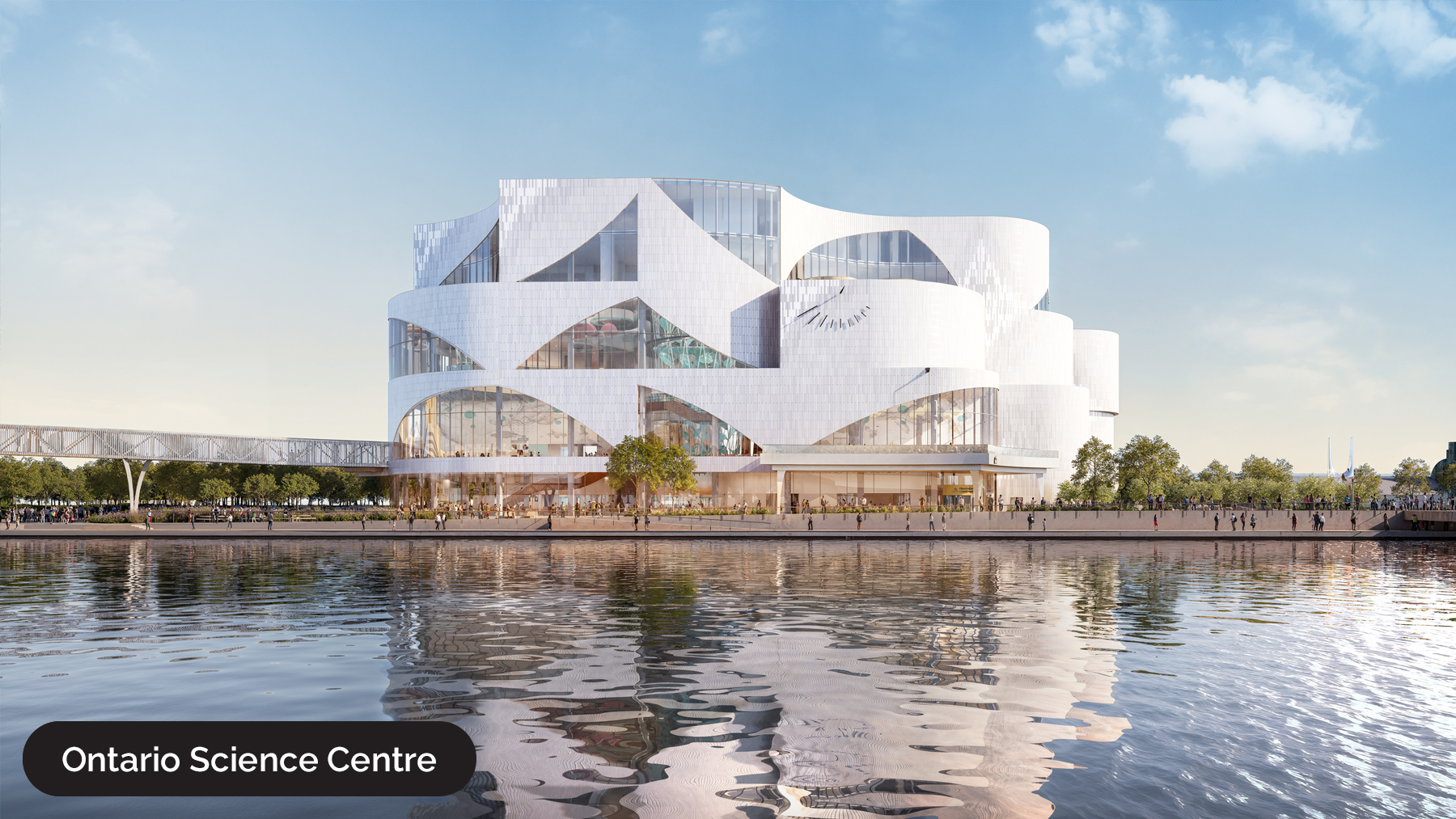
A controversial act was implemented by the Ontario government to fast-track the project, but many claim it gives too much immunity to the province.OTTAWA (CN) — The revitalization of Ontario Place, a Toronto waterfront park, is being contested in front of Canada’s highest court on Thursday by a coalition of protesters who oppose the provisions put in place by the provincial government to quicken the project and reduce the costs, arguing they violate the Constitution Act of Canada.At the heart of these legal proceedings is the theme park Ontario Place opened in 1971. It once welcomed the public and served as an event and entertainment venue overlooking Lake Ontario, but it has been closed since 2012 because of declining attendance and financial difficulties.The new park would include a spa, a relocated Ontario Science Centre, a new shoreline and parking lots, and a detachment of the Ontario Provincial Police.In 2023, Premier Doug Ford presented the Rebuilding Ontario Place Act, which exempts the redevelopment project from certain dispositions such as environmental and heritage protections, and bypasses the noise regulations of the city of Toronto. ROPA aimed to remove barriers that could slow the CA$2.2 billion ($1.5 billion USD) project. Furthermore, ROPA grants a level of legal immunity to the government; indeed, the law protects the province from legal action against the project. However, judicial reviews are still allowed.Objectors to the project worry the law prevents the public from holding officials accountable. A coalition, Ontario Place Protectors, formed to oppose ROPA and protect public spaces.“Ontario Place Protectors argues that these provisions raise fundamental constitutional questions about the limits of government power, the role of the courts and the government’s responsibility to protect public assets,” said the movement in a press release on Wednesday ahead of the hearing.The case escalated to the Supreme Court of Canada after the Superior Court and the Ontario Court of Appeal dismissed the Ontario Place Protectors’ grievances.Despite the project’s many opponents, the court of Appeal did not find that the legislation violated the law and deemed judicial review a sufficient remedy for those who wished to oppose the project. The court said it was not a matter for the court, but an issue for the legislature. “The court is not an alternative forum for resolving political grievances,” said Justice Grant Huscroft.Ontario Place Protectors argue before the nine justices that some parts of the law should be reversed because they allow the government to supersede the provincial superior court’s power, violating section 96 of the Constitution Act.“This is blanket immunity for a wide range of parties over a potentially wide range of conduct for all time,” said Andrew Lokan, counsel for the Ontario Place Protectors. “Further, the court’s jurisdiction is expressly removed, and remedies are expressly precluded.”Their argument also relies on the public trust doctrine, which holds that the government oversees public resources but does not own them, so it cannot act unilaterally.“We are talking about a role that has been there since before Confederation; the role of ensuring government accountability, which this provision takes away, and we say in a very wholesale manner on a very critical area, and for no apparent societal objective, that is,” added Lokan.For its part, the provincial government seeks to dismiss the appeal, claiming ROPA was put in place to protect the public interest. They argued that the hearing proved that, without the act, the project could be buried in legal dispute indefinitely, to the detriment of the public.“The very preceding demonstrates how citizens who object to the Crown’s use of some public property will go to court in an attempt to stop it,” said Zachary Green, attorney for the Ontario government.Canada’s highest court also heard arguments from environmental organizations and civil rights associations. Additionally, attorneys general from five other provinces intervened, showing the case goes beyond a public park and could have a far-reaching impact across the country if the Supreme Court upholds ROPA.Courthouse News reporter Tatiana Mulowayi-Pelletier is based in Montreal, Canada.Subscribe to our free newslettersOur weekly newsletter Closing Arguments offers the latest about ongoing trials, major litigation and rulings in courthouses around the U.S. and the world, while the monthly Under the Lights dishes the legal dirt from Hollywood, sports, Big Tech and the arts.Additional Reads
Supreme Court of Canada debates constitutionality of Ontario redevelopment project
Full Article
Original Source
Read the full article at Courthousenews →KhanList aggregates and links to publicly available news content. We do not host full articles from third-party sources. Always verify important information with original sources.