
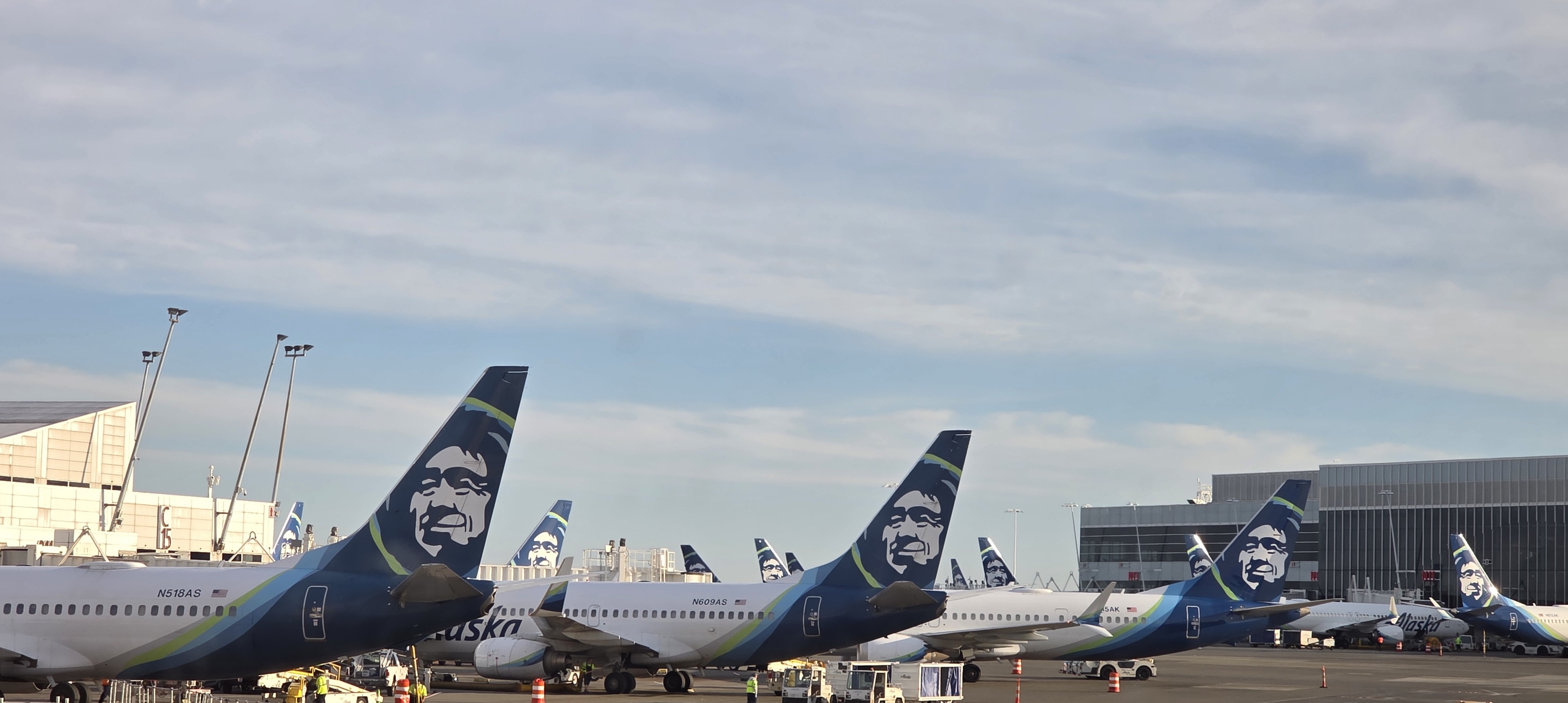
People living in Seattle airport’s flight path say planes are raining pollution onto their homes, contaminating their soil, and making them sick. They sued Delta, Alaska Airlines and the Port of Seattle to make them pay them for cleanup and medical monitoring. The Ninth Circuit killed their case saying that Congress reserved aircraft emissions standards to the federal government, and that these claims would impose their own standard through state tort law. The original April 2023 complaint described a five-mile “Contamination Zone” around the airport which is home to about 300,000 people. The residents targeted Alaska and Delta which operate about 80% of the airport’s flights. They alleged that exhaust releases harmful particles and gases, while metal-containing particles flake off planes and that pollutants accumulate in nearby neighborhoods from arrivals and departures before the wind can disperse them. University of Washington research found ultrafine particles beneath flight paths and pollution entering nearby classrooms Plaintiffs pointed to higher rates of respiratory and cardiovascular illness, premature births, shorter life expectancy, and damage to property. And they claimed the burden falls disproportionately on lower-income and minority communities (‘environmental racism’). The amended lawsuit makes several claims: Negligence: the airlines and airport allegedly failed to exercise ordinary care to protect residents and their property. Battery: the airlines allegedly knew their pollutants would make harmful, unwanted contact with residents. Trespass and public nuisance: depositing pollution on people’s property interfered with their rights to use and enjoy it. Inverse condemnation: the Port allegedly damaged private property for airport operations without paying the compensation required by Washington’s constitution. They wanted contaminated property cleaned up, compensation for lost use and enjoyment, and a court-supervised medical monitoring program. Section 233 of the Clean Air Act bars states and local governments from adopting or enforcing aircraft emissions standards unless they’re identical to the federal standard. The September 23 appeals court ruling said that a jury applying state tort law is effectively state regulation of a different standard. The court didn’t need to answer whether the Airline Deregulation Act also preempted claims as effectively a state regulation of airline service or prices. Topics on this page
Seattle Residents Sue Delta And Alaska For Jets Polluting Their Homes—Case Gets Thrown Out
Full Article
Original Source
Read the full article at Viewfromthewing →KhanList aggregates and links to publicly available news content. We do not host full articles from third-party sources. Always verify important information with original sources.