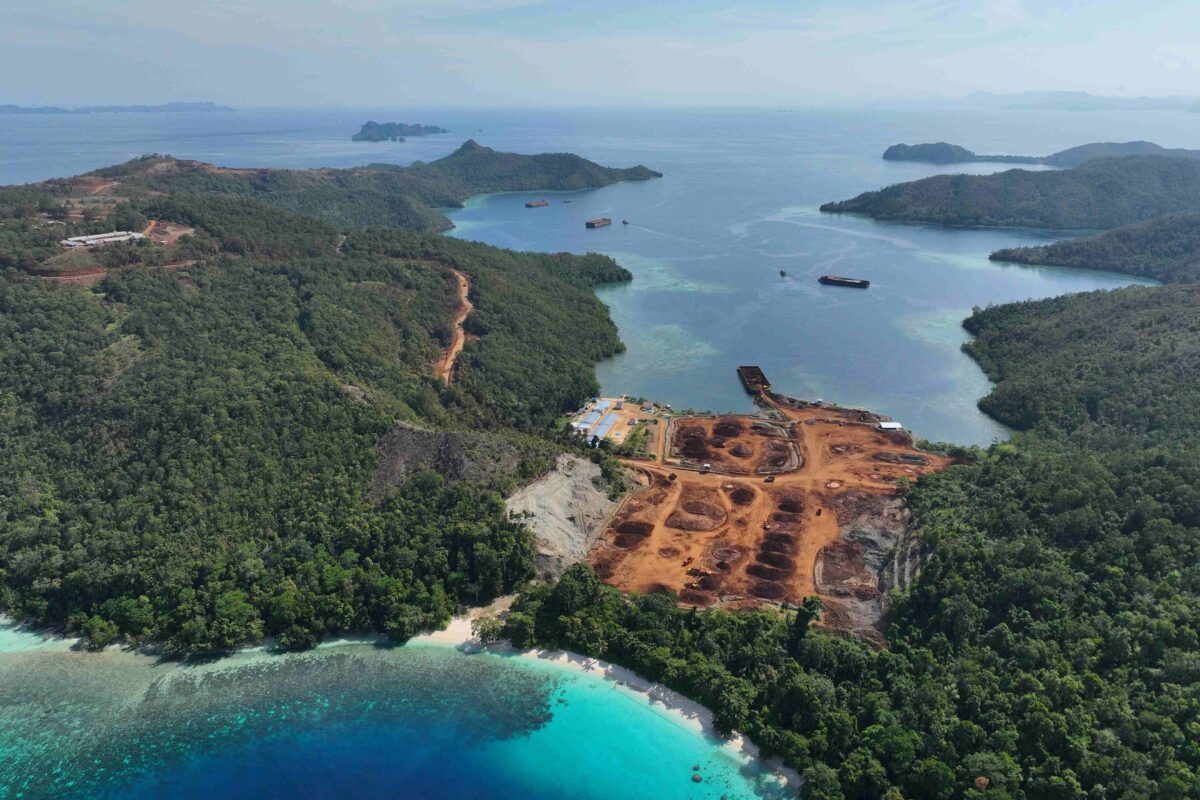
Indonesian authorities are wrongfully prosecuting environmental defenders and Indigenous leaders who protest deforestation, pollution and land grabs, says a new report by international nonprofit Human Rights Watch (HRW). In its 70-page report, HRW uses 15 publicly recorded cases from 2015 to 2025 as examples to suggest how police use complaints from companies and politicians to criminalize activists and community leaders demanding customary land rights. According to the report, while most cases were initiated before he took office in 2024, President Prabowo Subianto’s administration has escalated crackdowns on free expression. The government has increasingly deployed the military to expand state-owned mining operations, oil palm plantations, infrastructure projects and “food and energy estates”, which includes food and biofuel crop production particularly in Sumatra, Kalimantan, Sulawesi, the Moluccas and Papua, the report says. “Successive Indonesian governments have sought to silence activists and Indigenous leaders protesting forced displacement, loss of customary land, and deforestation by prosecuting them for baseless crimes,” Elaine Pearson, Asia director at HRW, said in a press release. “The Prabowo government, while cracking down on corporate corruption, has ignored local community grievances and instead deployed the military and other heavy-handed measures to pursue its economic objectives”. Based on 69 interviews with Indigenous people, villagers, environmentalists and lawyers, the report says police and prosecutors use vague provisions in the Criminal Code to charge activists with defamation, treason, threatening violence and even “spreading communism” to silence protests over environmental harm. The report says authorities frequently use legislation such as the Plantation Law, the Mineral and Mining Law, the Job Creation Law and the Prevention of Forest Destruction Law against local critics. In one case police arrested James Watt, an Indigenous Dayak farmer in Central Kalimantan, after an oil palm company accused him of theft, saying he instigated residents of Penyang village of “harvesting” palm fruits from its disputed 117-hectare (289-acre) concession, the report says. Watt has helped Penyang villagers to defend their land rights against the palm oil company. The report says a district court sentenced Watt to 10 months in prison under the Plantation Law, even though Indonesia’s National Land Agency concluded that the 117-hectare area was not covered by the company’s land title. “The Indigenous community’s rights were lost, and those who dared to question that decision were criminalized,” Watt told HRW. HRW urges the Prabowo administration to publicly order law enforcement to cease the harassment and wrongful prosecution of environmentalists and Indigenous peoples. The rights group also calls for the prompt and equitable resolution of land conflicts between companies and local communities by restoring traditional ownership and consulting with independent initiatives mapping out Indigenous land claims. Banner image: Deforestation caused by nickel mining of PT Kawei Sejahtera Mining in Kawei, a small island in the Raja Ampat archipelago, West Papua, Indonesia. Image taken in December 2024 by Auriga Nusantara. Credits Topics
Report: Indonesian authorities weaponize laws to silence environmental and Indigenous defenders
Full Article
Original Source
Read the full article at News →KhanList aggregates and links to publicly available news content. We do not host full articles from third-party sources. Always verify important information with original sources.