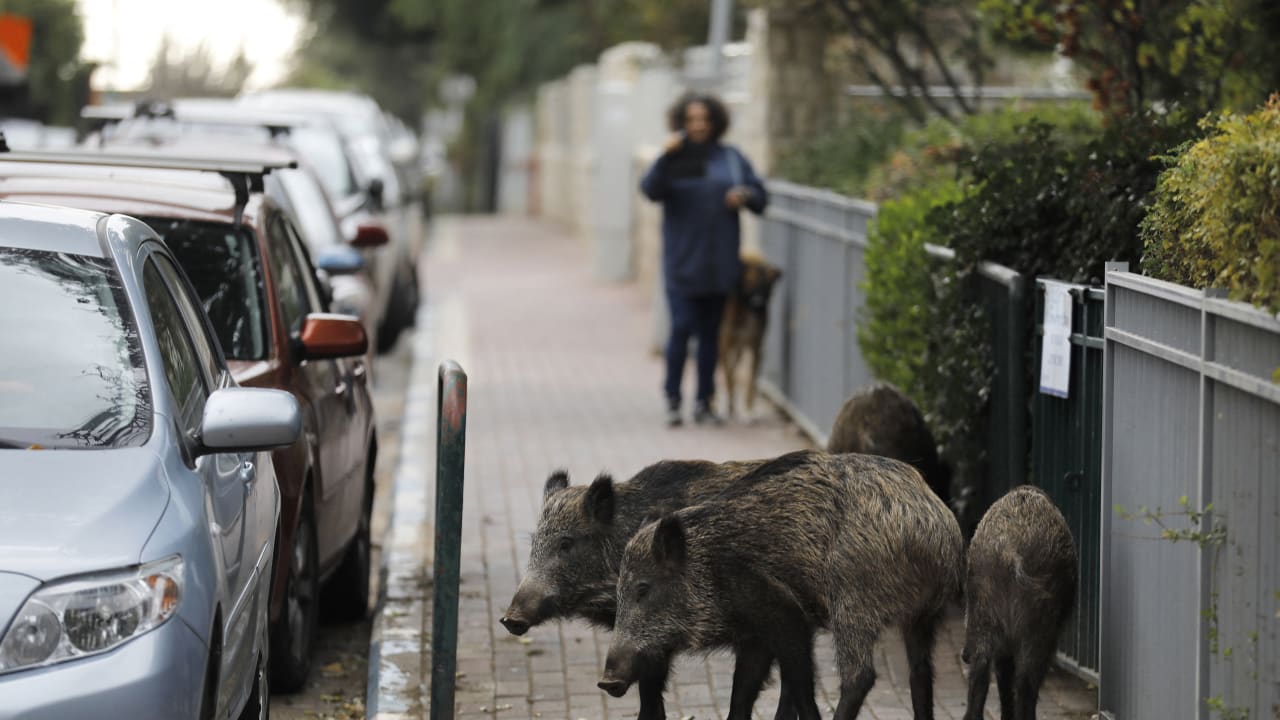
Jerusalem Post/Health & WellnessThe ministry is “very concerned” over rabies, which has shown an “alarming increase” in wild animals, some of whom are reaching urban areas, including jackals in Tel Aviv and wild boars in Haifa.Follow us on GoogleWild boars gather in a residential area in the northern Israeli city of Haifa on December 5, 2019. (photo credit: Menahem Kahana/AFP via Getty Images)ByDANYA SAPERSTEINJULY 28, 2026 12:08Rabies cases have more than tripled in the past four years, spreading throughout the country, according to a Health Ministry statement released on Tuesday.The Health Ministry is “very concerned” over rabies, which has shown an “alarming increase” in wild animals, some of whom are encroaching on urban areas, including jackals in Tel Aviv and wild boars in Haifa.Rabies is a fatal disease endemic to Israel’s wild animal population. Once an animal or person is infected, without preventative treatment, the mortality rate is almost 100%. While preventative treatment has made human deaths from rabies in Israel rare, with only four after the state’s first decade, tens of thousands of people worldwide die from the disease each year.The disease attacks the central nervous system of mammals and is transmitted through bites or through contact between saliva and broken skin or mucous membranes. A bite, lick, or any other contact with the saliva of an infected animal can transmit the virus during a later stage of the disease, in most animals, within 10 days before their death.In recent years, rabies cases in Israel’s wild animal population have risen sharply, with a 252% increase between 2022 and 2025. In 2026, 69 animals have already been diagnosed, and the Health Ministry expects the number to reach around 150 by the end of the year. By comparison, this is up from 29 cases in 2022. A jackal is seen at Hayarkon Park in Tel Aviv, on September 03, 2022. (credit: TOMER NEUBERG/FLASH90)Human activity leads to geographic spread of infected animalsThe increase is partially due to the geographic spread of infected animals. Rabies can spread to a region through both animal movement and feeding practices. Intentionally leaving out food for stray cats may also feed other wild animals, as can leaving garbage in the street and poor sanitation. The Health Ministry warned that urban density, construction, and the displacement of wildlife from their natural habitats all contribute to the problem. Additionally, infected animals may be transported by people. In 2026, there were three such cases: a reservist who brought a dog from northern Israel to Hadera and Ra’anana, where it came into contact with his extended family over Passover, a dog who was brought from Ramallah to Holon, and an adopted dog that had never been vaccinated or examined by a veterinarian who traveled by train from Jerusalem to Tel Aviv, where it was brought to the beach. That incident ultimately required the Health Ministry to manage 52 exposure cases.The Health Ministry emphasized that in the event of an animal injury, one should first wash the affected area thoroughly with soap and water for about 10 minutes. They should then urgently contact their local health office to assess the level of risk and determine whether vaccination or other preventative treatment is necessary. No appointment is required for such a visit. When local health offices are closed, people should go to a hospital emergency department for initial treatment.Follow us on Google
Rabies cases tripled over past years as wild animals move into urban areas, Health Ministry says
Full Article
Original Source
Read the full article at Jpost →KhanList aggregates and links to publicly available news content. We do not host full articles from third-party sources. Always verify important information with original sources.