
Singleton said National Trust tenant farmers were managing the land to support wildlife with areas of longer grass, maintaining hedgerows and patches of scrub.He said: "These habitats support the voles and other small mammals that barn owls rely on. "By monitoring ringed birds over many years, we'll be able to assess how effective these measures are and continually improve what we're doing."Kate Fox, licenced bird ringer and ornithologist from Carey Ringing Station, said: "Ringing provides invaluable scientific data about these birds, which can't be gained from observations alone. "Barn owls are striking birds, but it's very difficult to tell individuals apart. If birds move to a different nest box, we won't know whether it's a new pair or birds we've recorded elsewhere unless they have been ringed."The ringing was carried out under a special licence and follows strict guidance from the British Trust for Ornithology (BTO). Barn owls are a Schedule 1 breeding species, meaning it is illegal to disturb them during the breeding season without a licence.
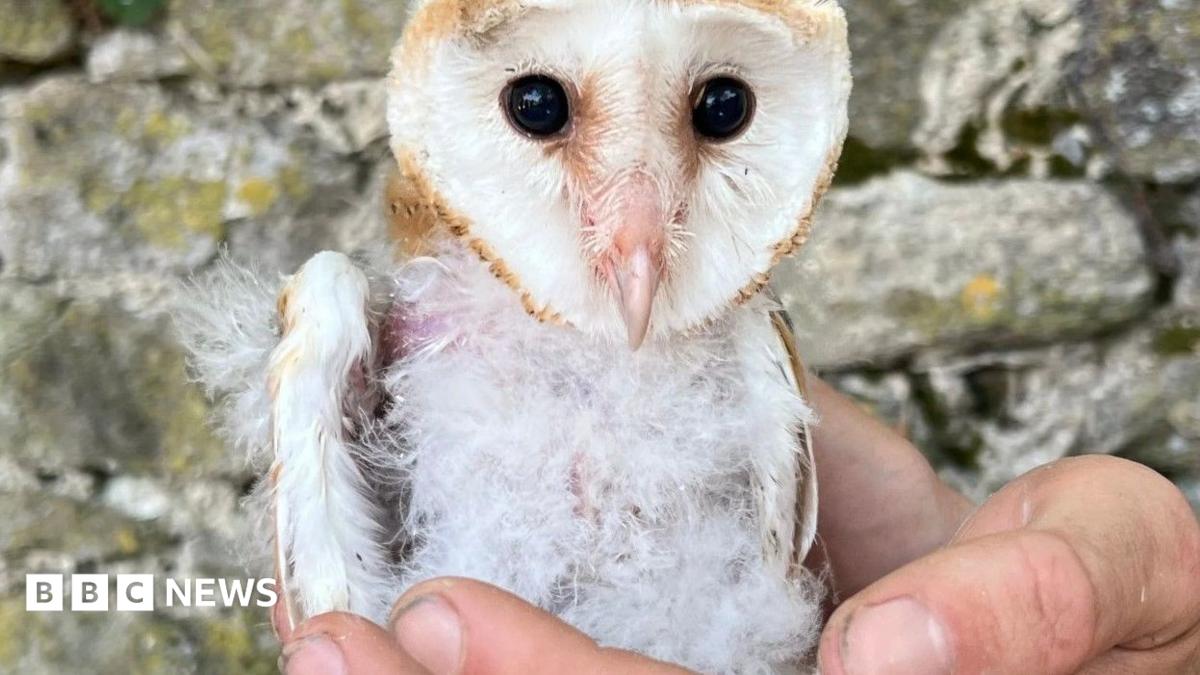
Owls ringed to measure benefits of wildlife farming
Full Article
Original Source
Read the full article at Bbc →KhanList aggregates and links to publicly available news content. We do not host full articles from third-party sources. Always verify important information with original sources.