
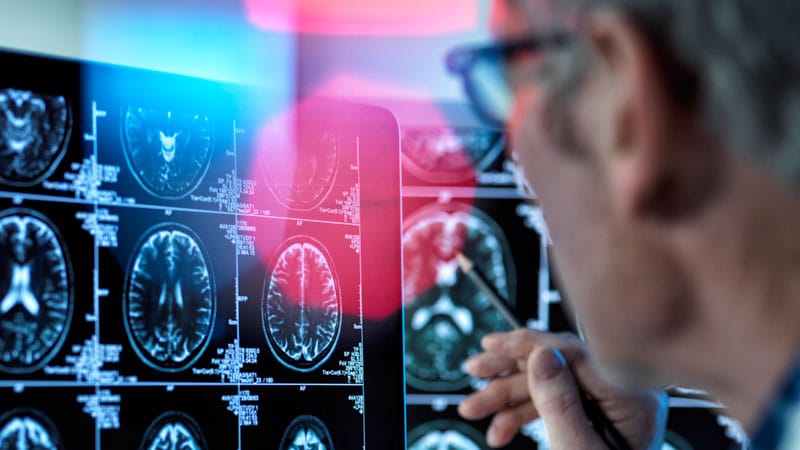
A new test for brain tumours that could cut diagnosis time from weeks to days — with results possible in under 2 hours for patients tested during surgery — is being piloted by the NHS. The pilot, described by NHS England as a world-first, could “completely transform” brain tumour diagnosis, the organisation said in a press release.Developed by scientists and medics at the University of Nottingham and Nottingham University Hospitals NHS Trust, the test works by analysing the genetic code of a small tumour sample taken during biopsy or surgery to identify tumour type.For patients undergoing surgery to remove a brain tumour where the exact tumour type is not known, the test can be done and the results delivered to the surgeon while the operation is still under way — helping them decide how much of the tumour to safely remove while protecting healthy brain tissue.Receiving a precise diagnosis sooner means patients can start treatment — including radiotherapy and chemotherapy — earlier if needed, and could spare them weeks of anxiety. The faster diagnosis will also help patients access suitable clinical trials earlier, said Professor Frankie Swords, NHS medical director, in a press release.The genomic test will be piloted in five specialist centres across England — Nottingham University Hospitals NHS Trust, University Hospitals Birmingham NHS Foundation Trust, Great Ormond Street Hospital for Children NHS Foundation Trust, King's College Hospital NHS Foundation Trust, and Newcastle Hospitals NHS Foundation Trust — and builds on an earlier project already under way in Nottingham and Birmingham. In the future, it will be extended to Bristol, Oxford, Leeds, and Manchester sites.A Notoriously Difficult Diagnosis According to The Brain Tumour Charity, around 13,000 people in the UK are diagnosed with a primary brain tumour each year. Brain tumours are the biggest cancer killer of children and adults under 40. There are more than 130 different types, ranging from slow-growing tumours to aggressive cancers.They are notoriously difficult to diagnose and treat. The standard process for diagnosing brain tumours currently involves performing MRI and CT scans, then taking a biopsy of the tumour for analysis. It can be weeks before a definitive diagnosis can be made.However, in a recent operation at Nottingham University Hospitals, a tumour sample was taken in theatre and tested in the same hospital during the operation. The sequencing took around 20 minutes, with a result fed back to the surgical team in less than two hours after the sample reached the laboratory, and whilst surgery was still under way.“This is a huge leap forward for patients,” Swords said, meaning surgeons could make potentially life-changing decisions about a patient’s surgery whilst they were still on the operating table.From Theatre to Routine Care Having detailed information about a tumour at the point when decisions are being made in the operating theatre is “game-changing”, said Stuart Smith, consultant neurosurgeon at Nottingham University Hospitals NHS Trust and clinical associate professor at the University of Nottingham, in a press release.NHS England is investing more than £2 million over 2 years in the Brain Cancer NHS Genomic Network of Excellence. The network is clinically led from Birmingham, with scientific leadership from Nottingham, and is being delivered through NHS Genomic Medicine Service teams across England.Professor Dame Sue Hill, chief scientific officer for England and senior responsible officer for genomics in the NHS, said she hoped that in the future this testing would become “part of routine NHS care”, so that all patients could benefit from faster, more precise diagnosis.Rob Hicks is a retired National Health Service doctor. A well-known TV and radio broadcaster, he has written several books and has regularly contributed to national newspapers, magazines, and online publications. He is based in the United Kingdom.
NHS Pilots Rapid Genomic Test for Brain Tumours
Full Article
Original Source
Read the full article at Medscape →KhanList aggregates and links to publicly available news content. We do not host full articles from third-party sources. Always verify important information with original sources.