
Time for your annual guide to the Real Budget.Firstly, a quick note about all those budget kites flown in the media. For weeks now, the media has been full of stories about what may or may not be in the budget when it is jointly delivered by Simon Harris and Jack Chambers on Tuesday week. Some proposals are reported as faits accomplis; many optimistically so. Other Ministers are said to be “pushing hard” for their spending plans. God loves a trier.This is all part of the game: Ministers or the people who work for them brief journalists to put pressure on the decision-makers – principally Harris, Chambers and the Taoiseach – to accede to their requests, even partially. Its record of success is patchy.There is a parallel scramble among the Government parties to get credit for measures that will definitely be in the budget – tax cuts, energy supports, welfare increases, childcare subsidies, whatever. That will intensify next week as there is a greater degree of certainty about what is in and what isn’t.READ MOREClaiming credit for policy measures or spending is one of the most common, and pointless, sources of discord in Government. Witness the preposterous row between Fine Gael and Fianna Fáil this week about who got to announce the opening of applications for sports grants first.To more important matters: how much does it cost to run the country? The cost of Government decisions – whether to extend the excise cuts or fund new drugs for rare diseases or whatever – is only comprehensible if you understand the bigger picture. But it’s not as straightforward a question as it sounds.Next year, the Government will spend about €125 billion in what is called voted expenditure – authorised by votes of the Dáil, divided between spending on capital projects (€20 billion) and current, or day-to-day, spending (€105 billion). This includes the €8.5 billion budget day package – the extra spending that will be announced on Tuesday week. What we call “the budget” is just really the increase in the overall budget for running the country.This doesn’t actually include everything. It doesn’t include, for example, the cost of interest on the national debt or EU contributions, which is about €20 billion. But let’s not get bogged down; for the purpose of thinking about public spending, the €125 billion figure is probably the best one to work from.[ Irish Times poll reveals what voters want in Budget 2027Opens in new window ]Final addendum: it will end up bigger than €125 billion because the Government will break its own spending ceilings, despite repeated promises not to, so you won’t get much change out of €130 billion next year.The big spenders on the current (day-to-day) side are health and welfare, which will take up almost half of the entire current expenditure budget between them, with honourable mentions for education and justice. Public sector pay and pensions cost about €30-odd billion this year. Housing spends big on the capital side.Where does the money come from? Well, your taxes. Oh, and also Apple’s.Our tax receipts are absurdly reliant on a small number of US multinationals. “I used to worry about three companies. Now it’s one product,” one of the people involved in making these decisions told me this week. He’s not on the weight loss jabs himself, but he’s mighty happy so many people are.Corporation tax receipts make up about a third of all tax receipts. Figures produced by the Irish Fiscal Advisory Council show the concentration within that is increasing, not decreasing; three companies – Apple, Microsoft and Eli Lilly – pay nearly half of all corporation tax.But what’s the worry? As Arthur Beesley reported last week, the expectations are that corporation tax receipts will again outstrip expectations this year, handing the Government a larger-than-expected surplus. That could yet see more giveaways on budget day – talk of energy credits is once again being heard around Government Buildings.The worry is that – as anyone with the merest acquaintance with the history of Ireland, or anywhere else, knows – assuming nothing will go wrong in the future is a risky strategy. Sure, as long as things keep going all right, we’ll be grand. But what if they don’t keep going all right?[ Corporation tax to exceed €35.3bn forecast by a wide marginOpens in new window ]Ah, but nobody wants to face up to that. It’s budget season, sure. And if the Government at least feels it has to pay lip service to the idea of budgetary prudence, none of the Opposition parties, none of the NGOs, none of the vested interests which play such a role in our public life have the slightest interest in it. Neither does much of the media. How many times have you heard demands for more public spending contextualised by the overall budget and the existing rate of expenditure? Our political debate consists almost entirely of demands for more spending.Ten years ago our total spending was half what it is now. And still we proceed with increase after increase, never once asking are we getting sufficient return for the existing levels of spending, or if the increases are sustainable. Jack Chambers has been talking a good game on moderating spending growth; let’s see if he delivers. For his efforts to control expenditure so far, he has been dubbed “Jack Thatcher” by his party colleagues. Thatcher, of course, fixed Britain’s public finances.Ultimately, the Government will cop the blame if things go wrong. That’s fair enough. Government has a responsibility to lead, and to take difficult decisions that might not be politically popular but are in the longer-term interests of the country.But we who elect those governments should be honest enough with ourselves to acknowledge that if they pump spending again, they are doing our bidding. We all know what would happen at the next election if the Government held down spending budgets and saved most of the surplus for the benefit of future generations: we would find someone else to do the job. That is not to excuse the Government of responsibility, but to acknowledge that it is not theirs alone.
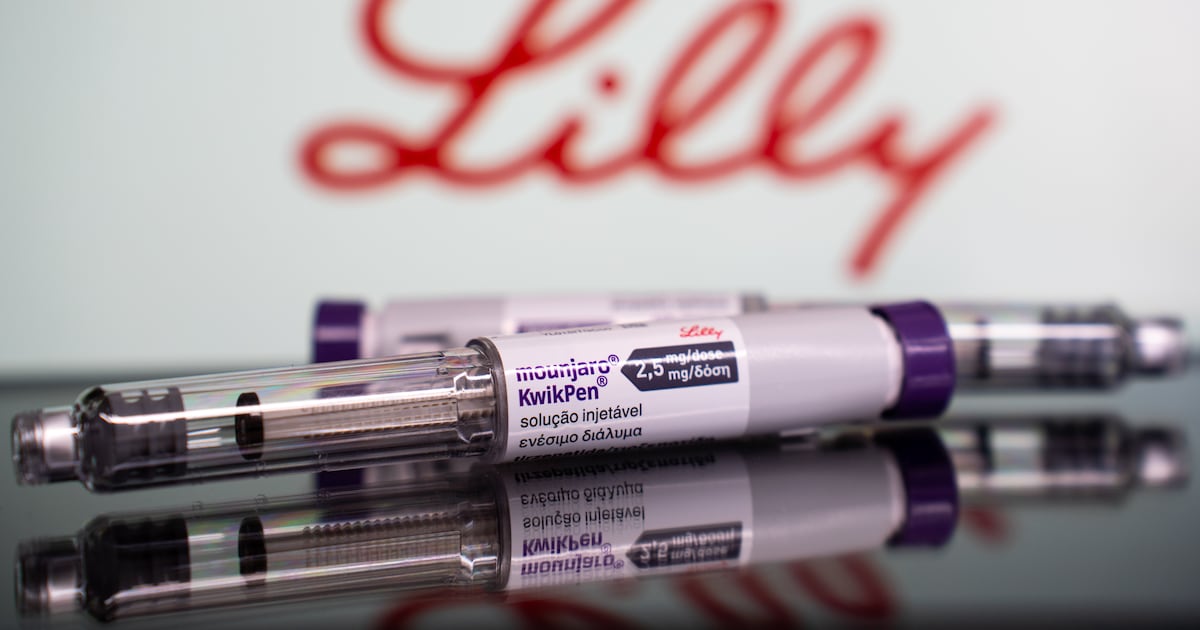
Our tax take used to be reliant on three companies. Now it hinges on one weight-loss drug
Full Article
Original Source
Read the full article at Irishtimes →KhanList aggregates and links to publicly available news content. We do not host full articles from third-party sources. Always verify important information with original sources.