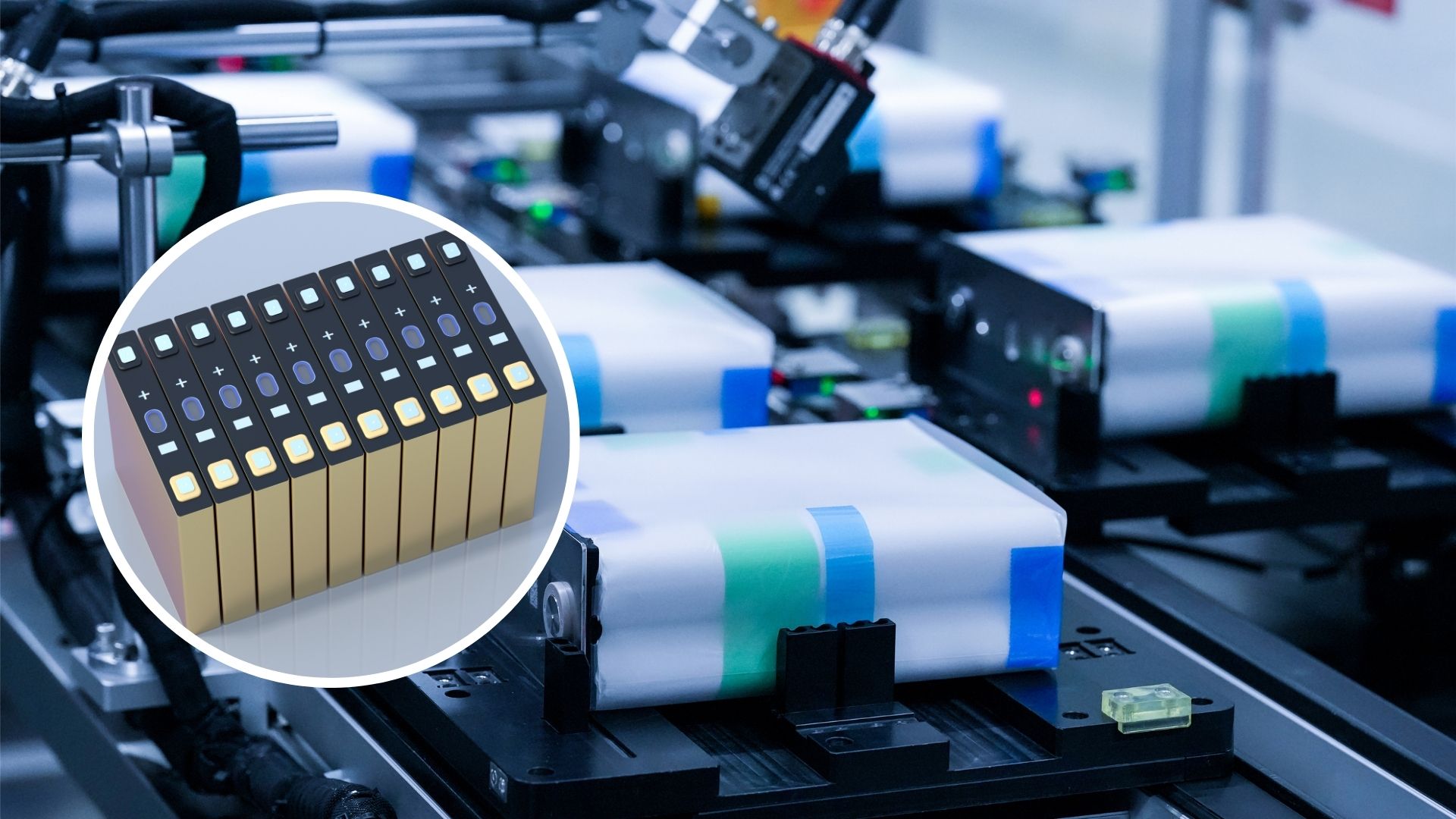
Two companies have joined hands to develop a next-generation prismatic battery cell for potential future EV applications. For this, SAMSUNG SDI and General Motors (GM) has signed a new agreement. The two companies will co-develop prismatic batteries, featuring high energy density and fast charging capability. The new agreement extends the partnership between SAMSUNG SDI and GM on their commitment to an electrified future, according to the announcement. Major battery formats used in the automotive industry. “While reflecting recent market changes, this acquisition decision is to continue the strategic partnership with GM,” said a SAMSUNG SDI official. “We will continue our commitment to an electrified future with the partner, while utilizing the plant to proactively respond to the fast-growing ESS market in the U.S.”In addition, SAMSUNG has acquired GM’s 49.99% stake in the joint venture SynergyCells that the two had established in New Carlisle, Indiana. The ownership change was made in consideration of market changes since the joint venture was announced – including the slower-than-expected growth of EV demand. The two partners have now decided to seek other forms of cooperation other than the joint venture, according to a press release.The company also revealed that by acquiring the joint venture stake, SAMSUNG SDI establishes its first independently operated battery production base in North America, with plans to utilize the plant for producing high-tech batteries for use in various applications. Utilizing the plant for production of batteries for energy storage systems The battery plant is currently under construction. Once completed, SAMSUNG SDI will start off by utilizing the plant for production of batteries for energy storage systems (ESS) in a swift move responding to the rapidly growing ESS market in the U.S. In the future, the plant could potentially include prismatic cells jointly developed with GM, as per the release.Prismatic battery cells are one of the major battery formats used in the automotive industry. Their rigid rectangular structure can offer advantages in packaging efficiency, durability and system integration, making them an important technology for next-generation EVs.The new development agreement allows Samsung SDI and GM to continue working together on battery technology even as the structure of their manufacturing partnership changes.With the transaction, Samsung SDI will become the sole owner of the battery manufacturing plant. The move gives Samsung SDI its first independently operated battery production base in North America.The plant is currently under construction. Rather than waiting for EV demand to accelerate, Samsung SDI plans to adapt the facility to the market conditions by initially producing batteries for energy storage systems.This strategy gives the company greater flexibility to respond to one of the fastest-growing areas of the battery market in the United States. The global transition toward renewable energy is creating a growing need for large-scale energy storage.Solar and wind power generation can fluctuate depending on weather and time of day. ESS batteries help store electricity when production is high and release it when demand increases or renewable generation falls.Get the latest in engineering, tech, space & science - delivered daily to your inbox.Prabhat, an alumnus of the Indian Institute of Mass Communication, is a tech and defense journalist. While he enjoys writing on modern weapons and emerging tech, he has also reported on global politics and business. He has been previously associated with well-known media houses, including the International Business Times (Singapore Edition) and ANI.
Next-gen prismatic battery cell with high energy density, fast charging capability soon to be built
Full Article
Original Source
Read the full article at Interestingengineering →KhanList aggregates and links to publicly available news content. We do not host full articles from third-party sources. Always verify important information with original sources.