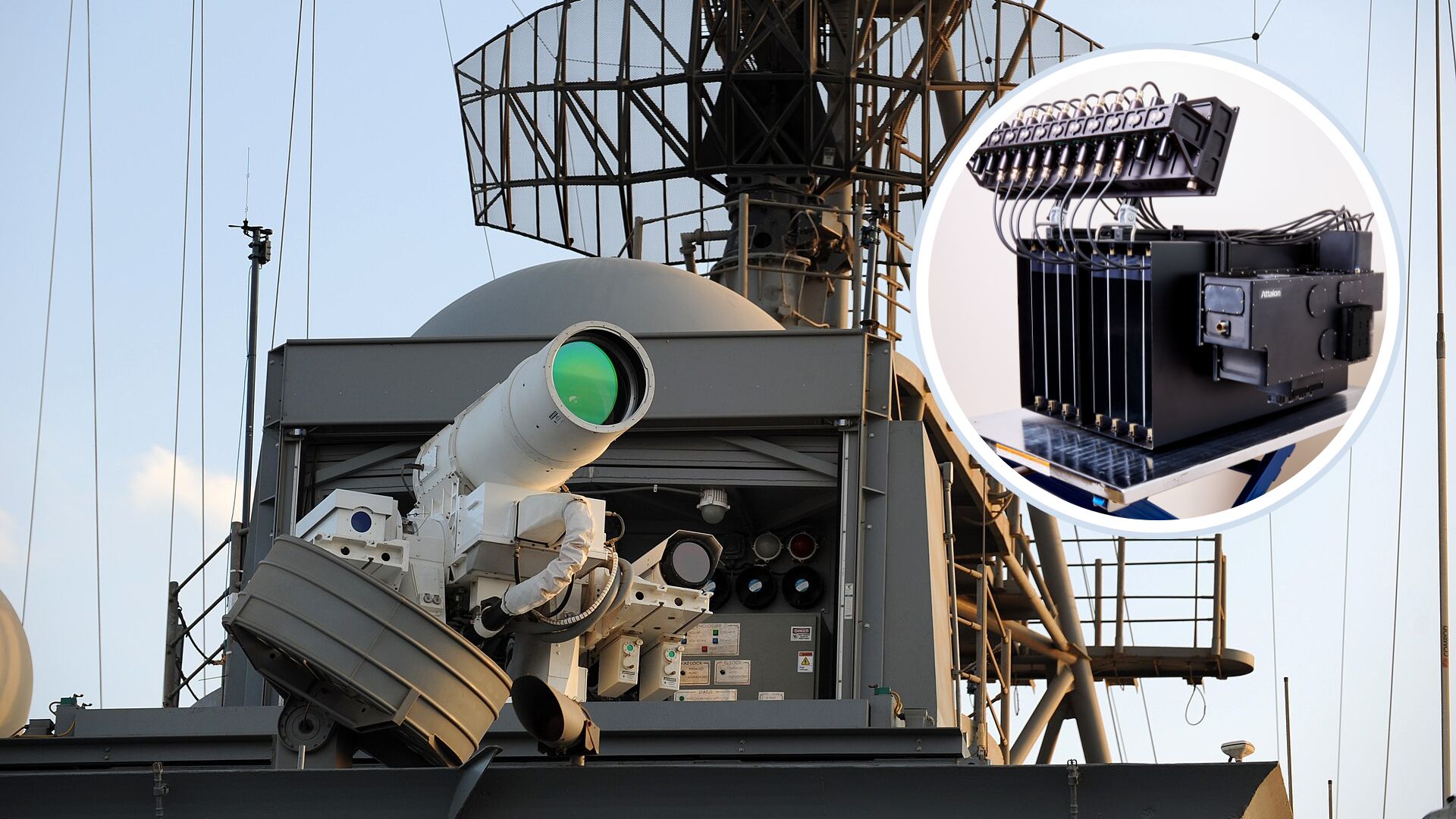
Keeping high-energy laser weapons operational has long depended on specialized technicians and delicate fiber optic repairs. A new subsystem from Connecticut-based Attalon aims to change that by allowing military personnel to replace failed laser amplifiers in the field within minutes. The company has shipped the first production units of its Kilowatt Interconnect (kWIC) Disconnect subsystem, a component designed for kilowatt-class directed energy systems. The technology removes the need for fiber splicing during amplifier replacement, a process that traditionally requires specialized tools and trained personnel. Faster battlefield repairs Laser amplifiers are among the most critical components inside high-energy laser weapons. If one fails, operators often need to send the system to a maintenance facility where technicians reconnect optical fibers using precision splicing equipment. That process can sideline a weapon for extended periods. Attalon’s kWIC Disconnect replaces that workflow with a plug-and-play approach. Operators can disconnect a damaged amplifier, install a replacement, and return the system to service without performing complex fiber optic work. The first production shipment marks an important manufacturing milestone for the company. Attalon produced the subsystem in Bloomfield, Connecticut, while manufacturing the kWIC Disconnect takes place in Traverse City, Michigan. Matt Straup, vice president and general manager for Directed Energy & Advanced Lasers at Attalon, said the design addresses one of the biggest maintenance challenges facing operational laser weapons. “Our customers have long recognized that field maintenance of high-power fiber lasers presents unique challenges,” Straup said. “The kWIC Disconnect removes one of the most significant barriers by giving operators the ability to quickly swap amplifiers and return systems to service without leaving the fight.” Designed for operational use High-energy laser systems have steadily moved from research programs into military testing and deployment, increasing the need for equipment that crews can maintain outside specialized facilities. John Bergeron, Attalon’s chief executive officer, said serviceability has become just as important as laser performance as the technology matures. “Field maintenance is essential if these systems are going to support real-world missions,” Bergeron said. He added that the new subsystem allows warfighters to replace critical laser components without specialized fiber optic expertise, helping make directed energy weapons more practical for operational use. Engineers designed the kWIC Disconnect to maintain precise optical alignment every time crews install a replacement module. Built-in verification checks confirm the alignment before the laser activates, reducing the risk of improper connections and helping ensure consistent performance. The subsystem also supports line-replaceable amplifier modules, making maintenance faster and reducing the time systems spend out of service. Supporting next-generation lasers The Pentagon has invested heavily in directed energy technologies for air defense, counter-drone missions, and protection against rockets and missiles. As those weapons transition into operational service, sustainment has emerged as a critical engineering challenge alongside power output and accuracy. Attalon believes field-replaceable laser components can improve system availability and simplify logistics for U.S. and allied defense programs. The company says it plans to expand production of lasers, optics, coatings, thermal technologies, and other advanced subsystems that support next-generation directed energy platforms. Recommended ArticlesGet the latest in engineering, tech, space & science - delivered daily to your inbox.Aamir is a seasoned tech journalist with experience at Exhibit Magazine, Republic World, and PR Newswire. With a deep love for all things tech and science, he has spent years decoding the latest innovations and exploring how they shape industries, lifestyles, and the future of humanity.
New plug-and-play subsystem repairs laser weapons in minutes without fiber splicing
Full Article
Original Source
Read the full article at Interestingengineering →KhanList aggregates and links to publicly available news content. We do not host full articles from third-party sources. Always verify important information with original sources.