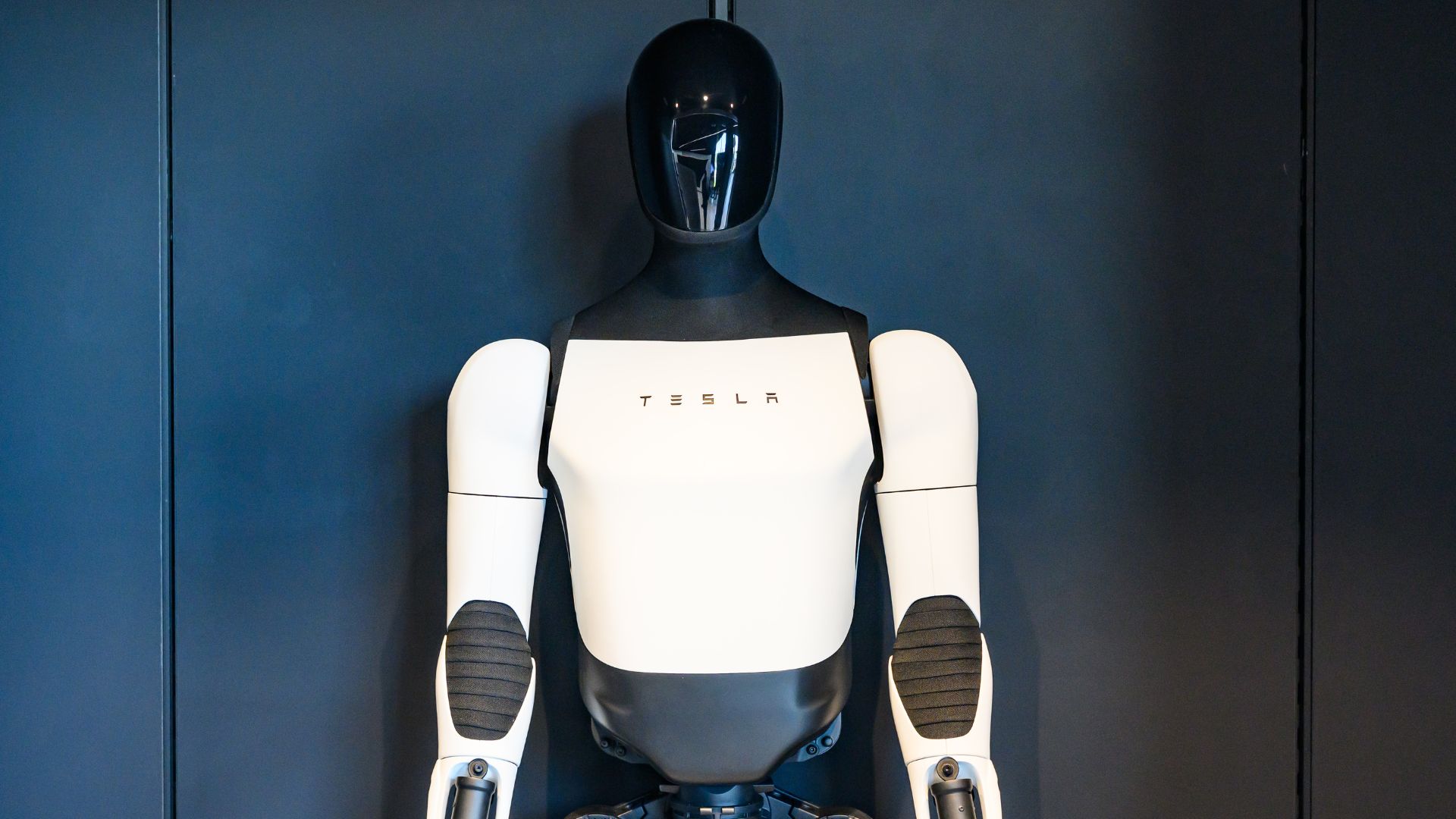
A new AI robotics project claims to offer a radical way of preserving a person’s identity beyond death by transferring their “digital DNA” into humanoid robots. The QAIAx 4E HRR Model Series, unveiled by Veterans First for America, is described as a quantum-powered system designed to let digital representations of loved ones continue interacting with people. The project stems from AI technology initially developed for veterans’ legal and claims assistance and is linked to a proposed clinical trial framework for mental and behavioral health. However, the extraordinary claims surrounding the technology remain subject to scrutiny and independent verification. Robots transform healthcare The proposed QAIAx Clinical Trial (PRS) outlines an ambitious vision for future communities where AI, robotics, and healthcare technologies work together to support residents and provide long-term care. According to the project description, the initiative would create a network of 300 decentralized “Microcities” located within US federal and military enclaves, as well as selected international locations covered by bilateral agreements. The plan could eventually accommodate up to 1 million registered residents and would use what organizers call a 90/10 Hybrid Workforce Model. Under this system, AI and automated machines would handle about 90 percent of routine municipal operations, while human professionals would oversee the remaining 10 percent. Automated systems could manage services such as water recycling, farming, utilities, and other everyday infrastructure. Human auditors would be responsible for reviewing unusual situations, clinical decisions, and administrative issues that require professional judgment. The clinical program is described as covering 11 intervention groups and examining areas including post-traumatic stress disorder (PTSD), substance-use disorders, autism spectrum disorders, and programs designed to support people returning to society after incarceration. The project says it is particularly focused on helping veterans and other populations requiring specialized health and behavioral support. Digital DNA robots One of the most unusual elements of the proposal is its concept of “Digital DNA.” According to the project, a person could wear a 40-sensor haptic suit that records information such as movement, physical responses, vital signs, and professional skills. That information would then be used to create a digital profile intended to replicate aspects of the individual’s identity, knowledge, and abilities. The proposal claims these profiles could eventually be transferred into humanoid robots or projected as holographic representations. Families or organizations could theoretically maintain the digital profile through trusts or estates, allowing a representation of a deceased person to continue teaching, working, or interacting with future generations. Proposed licensing plans range from $300,000 for 100 years to $1 million for 500 years, although these claims and capabilities would require substantial technological, legal, ethical, and scientific validation. The project also proposes building an alternative supply chain for humanoid robots using raw materials from Africa and Australia, reducing dependence on Chinese manufacturing. It describes planned resource hubs in West Africa and Western Australia to support future robot production.According to a statement issued, the program plans an open-enrollment pre-launch phase in October, while a waiting list for military veterans opened in July.Recommended ArticlesGet the latest in engineering, tech, space & science - delivered daily to your inbox.Jijo is an automotive and business journalist based in India. Armed with a BA in History (Honors) from St. Stephen's College, Delhi University, and a PG diploma in Journalism from the Indian Institute of Mass Communication, Delhi, he has worked for news agencies, national newspapers, and automotive magazines. In his spare time, he likes to go off-roading, engage in political discourse, travel, and teach languages.
New ‘Digital DNA’ project aims to keep human identity alive in humanoid robot after death
Full Article
Original Source
Read the full article at Interestingengineering →KhanList aggregates and links to publicly available news content. We do not host full articles from third-party sources. Always verify important information with original sources.