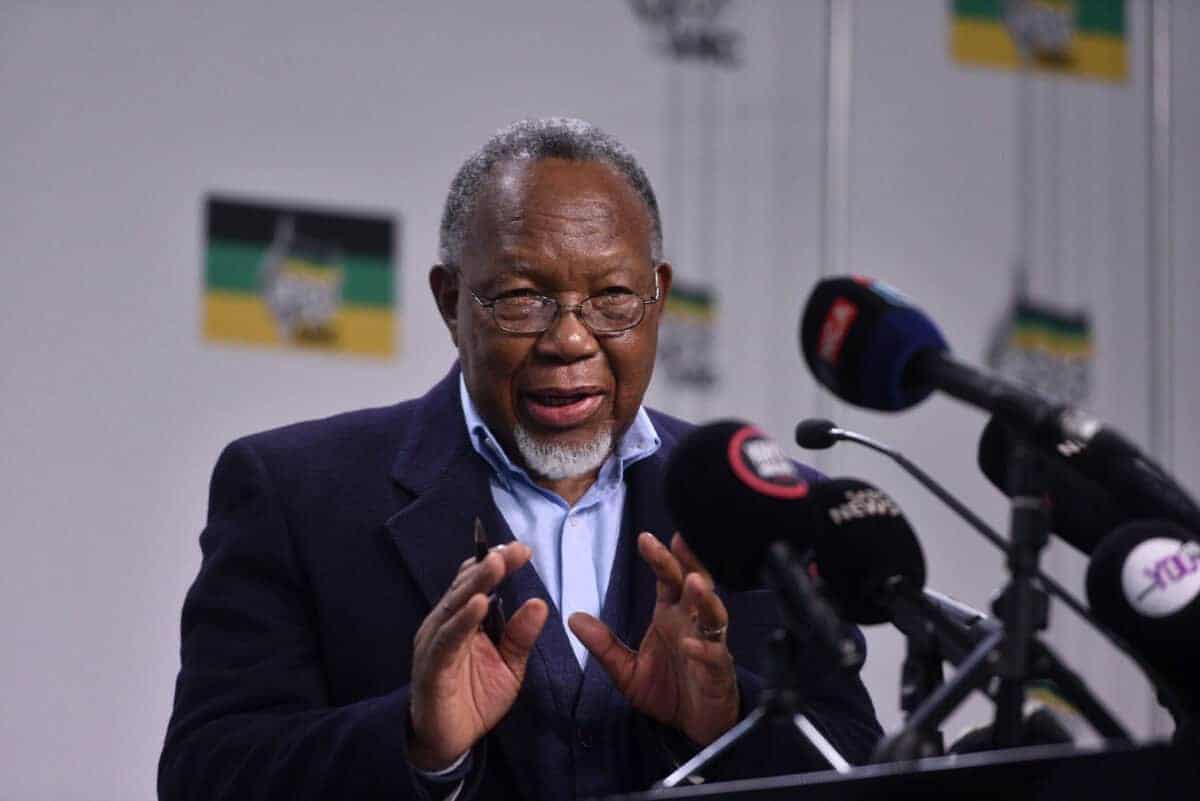
Kgalema Motlanthe says political office is a public trust and urges leaders to emulate Walter Sisulu's selfless leadership. Former president Kgalema Motlanthe has cautioned those in authority to remember that political power is held in trust on behalf of the people and can be taken away. Speaking at the second Walter Sisulu Memorial Lecture at the Vaal University of Technology on Wednesday, Motlanthe cited Sisulu’s approach to leadership, noting that the late struggle icon never saw office as representing personal power or compensation for suffering. “After decades of exclusion from political power, he did not treat public office as personal reward,” Motlanthe said. Motlanthe stressed that freedom is not simply the removal of oppressive government but the creation of political, social and human relationships in which people can shape their common life. “Freedom means recognition of necessity; freedom is therefore not a possession secured once and for all; it is a practice,” he said. Rivonia trialists reshaped the moral struggle He paid tribute to the Rivonia triallists, including Sisulu and Nelson Mandela, who made immense sacrifices. The leaders were prepared for death sentences and resolved not to appeal if it was imposed. Their decision, described by lead defence counsel Bram Fischer as “staggering at first”, was later recognised by the lawyers as politically unassailable. “Their willingness to face death with dignity reversed the moral relationship between judge and accused. The state placed them on trial for violating its laws. They placed the state itself before the conscience of humanity,” Motlanthe said. On 12 June 1964, they were sentenced to life imprisonment. The regime believed Robben Island would erase them from history, but their incarceration instead exposed the illegitimacy of apartheid, fuelled international solidarity and inspired later generations, including the youth of 1976. ‘His leadership enlarged the capacity of others’ Motlanthe said: “Sisulu’s greatness was relational; his leadership enlarged the capacity of others. His dignity was expressed not through distance from the people but through responsibility towards them. “He knew how to lead in the dark, knowing just where the spark is and how strong it must be struck. He understood that the real work is the work no one sees and that earns no remark.” Sisulu preserved unity and recognised leadership in others, prompting Mandela to remark that Sisulu “led from behind”. “This is one of the most enduring lessons for political organisations. Leadership reaches its highest form not when it produces leaders, but when it enlarges collective purpose,” Motlanthe said.
Motlanthe invokes Walter Sisulu’s legacy to caution leaders
Full Article
Original Source
Read the full article at Citizen →KhanList aggregates and links to publicly available news content. We do not host full articles from third-party sources. Always verify important information with original sources.