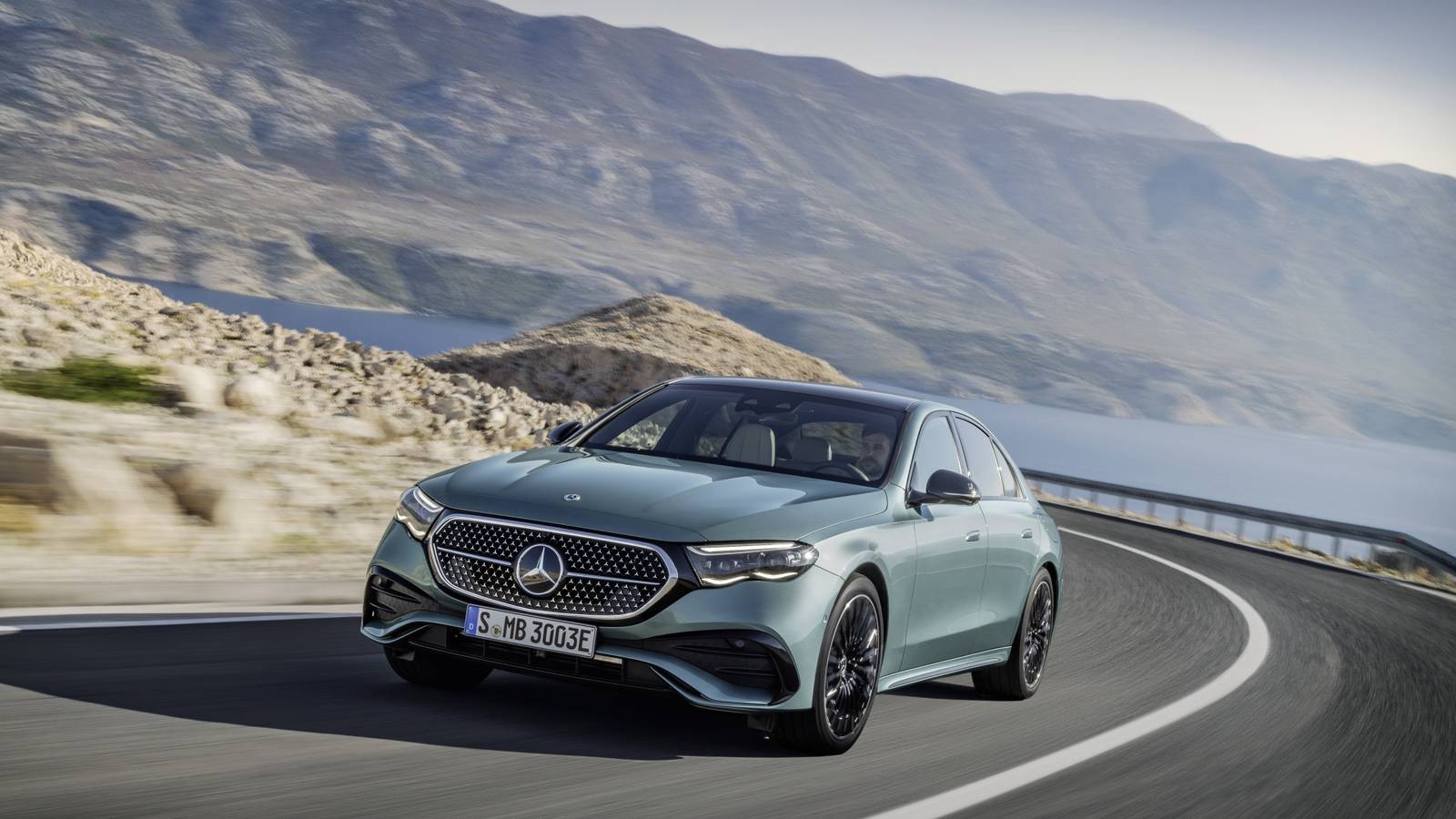
Published Jul 24, 2026, 2:30 PM EDT Tyler is an automotive journalist and content contributor at How-To Geek with over three years of experience covering the automotive industry. His work focuses on delivering clear, well-researched, and engaging content that helps readers better understand the vehicles they drive and the technology behind them. Before entering automotive media, he spent five years as an academic editor, developing a strong foundation in research methodology, factual accuracy, and structured analysis. This background informs his journalistic approach today, ensuring that every article balances technical insight with accessibility for a broad audience. Tyler specializes in automotive journalism, content strategy, and SEO-driven publishing, with a particular interest in performance, reliability, and the cultural role of cars. He approaches automotive writing with a distinct philosophy: vehicles should be engaging and expressive, not merely functional tools. This perspective shapes his coverage and allows readers to connect with cars beyond basic specifications. China's growing influence in the global auto industry has become a major issue in the United States, with lawmakers increasingly scrutinizing foreign ownership of automakers. While much of the focus has been on keeping Chinese brands out of the U.S. market, proposed legislation could also have unintended consequences for long-established manufacturers already operating in the States. One proposal currently making its way through Congress would restrict automakers with significant Chinese ownership from selling vehicles in the U.S. If enacted in its current form, it could affect more than just emerging Chinese brands, raising questions about the future of one of the world's biggest luxury automakers. In order to give you the most up-to-date and accurate information possible, the data used to compile this article was sourced from various automaker websites and other authoritative sources, including Reuters. Automakers with too much Chinese influence could be banned from the U.S. Instead of welcoming competition, the goal seems to be to ban it entirely Credit: Mercedes-AMG For the last couple of years now, Chinese automakers have always been on the periphery of the automotive sector in the West.. Everyone talks about how good their cars have become and how cheap they are, and many have wondered why they have stayed out of the States for so long. With some new legislation in the works, American automakers may not have to worry, as the plan could be to ban cars with too much Chinese influence. The first step has already been taken A couple of days ago, the United States Senate Commerce Committee approved legislation to ban any automakers with more than 15 percent ownership by Chinese entities from selling cars in the United States. While this bill still has some way to go before it becomes law, with Senator Ted Cruz, the committee chair, claiming that it still requires some major changes, it has the potential to block any Chinese automakers from entering the U.S. market. Mercedes-Benz is among the largest automakers that could be affected Chinese entities own nearly 20 percent of the brand For the most part, this new legislation doesn't affect a lot of the automakers already operating within the United States. However, there is one large luxury brand that may have something to worry about. Mercedes-Benz is owned by a wide variety of entities, with two major shareholders being Chinese. This means that if the legislation becomes law, Mercedes-Benz may be barred from selling cars in the United States. There are some mixed messages being sent, though Nearly 20 percent of Mercedes-Benz is owned by Chinese entities. Eric Li Shufu, who owns and founded the Chinese automaker Geely, owns 9.7 percent of the German automaker through an investment firm. Beijing Automotive Group, also known as BAIC, also owns another 9.98 percent. This obviously puts Mercedes-Benz above the threshold of 15 percent. Senators of the committee have, however, addressed the potential ban of Mercedes-Benz in the United States, and there have been some mixed messages sent. Senator Bernie Moreno claims that the automaker will have until 2030 to comply with the legislation, should it pass. In a report by Reuters, however, Ted Cruz claims that "we would never consider" banning Mercedes. The German brand could get waivers to help them skirt the ban as well. Cruz also claims that General Motors has been pushing the ban as they hope to get rid of Mercedes-Benz as a potential competitor. This would obviously open up Cadillac to claim a larger share of the luxury market. This isn't the first time Chinese influence has been limited in the automotive sector Just a month ago, another brand was totally banned Credit: Polestar There is a clear push to keep Chinese influence out of the U.S. automotive sector. The current legislation is only the most recent attempt. Just a short month ago, another automaker was banned from selling vehicles in the United States because they were owned by a Chinese entity. Polestar can no longer sell vehicles in the U.S. Many will know that Polestar is, essentially, the EV wing of Volvo. This might immediately make you think that they are Swedish, but both Volvo and Polestar are owned primarily by the Chinese brand Geely. Last month, Polestar was informed by the U.S. Department of Commerce's Bureau of Industry and Security that they will no longer be able to sell vehicles in the U.S. after 2026. Volvo, however, has said that they received permission to continue sales, though there will be a lot of hoops they will need to jump through first. A crackdown on Chinese ownership affects a lot of legacy brands China has invested heavily in the automotive industry in the last couple of years, both in local automakers and in automakers from abroad. The latest legislation puts Mercedes-Benz in the hot seat, with the almost 20 percent of the German brand being owned by Chinese entities. However, with regulations continuing to tighten, there are a number of other automakers that are likely already beginning to worry. Polestar, Volvo, and Mercedes aren't the only companies with Chinese investors, and this won't be the last push to keep China out of the industry.
Mercedes-Benz faces an ultimatum: divest from China or lose the U.S. market
Full Article
Original Source
Read the full article at Howtogeek →KhanList aggregates and links to publicly available news content. We do not host full articles from third-party sources. Always verify important information with original sources.